
Do Your Hands Frequently Fall Asleep? Discover the Possible Causes, Associated Conditions, and Best Natural Remedies
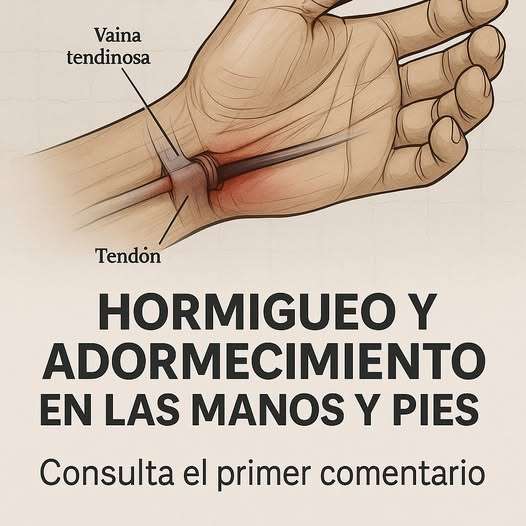
Have you ever experienced that unsettling sensation of pins and needles, numbness, or a "sleeping" feeling in your hands? 🤚 It's a common issue that many dismiss as a temporary nuisance. However, frequent episodes can be a signal from your body that something needs attention. This article will guide you through the possible causes, conditions associated with this symptom, and offer practical, natural remedies to help you regain comfort and function. Let's unravel the mystery behind why your hands might frequently fall asleep and what you can do about it. 💡
Understanding the "Pins and Needles" Sensation 🔬
The medical term for that "falling asleep" feeling is paresthesia. It occurs when sustained pressure is applied to a nerve, disrupting its normal signaling to the brain. Think of it like sitting on a phone line—the message gets scrambled. While occasional paresthesia from an awkward sleeping position is normal, its frequent recurrence, especially without obvious pressure, warrants a closer look. It often points to nerve irritation or compression somewhere along the pathway from your neck to your fingertips.
Common Causes of Frequent Hand Numbness 🧐
Several everyday habits and minor conditions can lead to recurrent hand paresthesia. Identifying these is the first step toward a solution.
- Repetitive Strain Injuries: Constant typing, using tools, or playing an instrument can inflame tendons in the wrist, swelling and pressing on the median nerve.
- Poor Posture: Slouching at your desk or hunching over can compress nerves in your neck (cervical spine) that travel down to your hands.
- Sleeping Positions: Curling your wrists or sleeping with your arm under your head can put direct pressure on nerves and blood vessels for extended periods.
- Vitamin Deficiencies: A lack of B vitamins, particularly B12, B6, and B1, is crucial for healthy nerve function. Deficiencies can lead to nerve damage and paresthesia.
- Dehydration: Proper hydration is essential for all bodily functions, including nerve signaling. Chronic dehydration can exacerbate nerve irritation.
Associated Medical Conditions to Consider 🩺
When simple causes are ruled out, it's important to consider underlying health conditions. Persistent or worsening hand numbness should always be evaluated by a healthcare professional to rule out these issues.
Carpal Tunnel Syndrome (CTS): 👉 This is the most well-known culprit. It involves compression of the median nerve as it passes through a narrow tunnel in your wrist. Symptoms often include numbness and tingling in the thumb, index, middle, and part of the ring finger, sometimes worse at night.
Cervical Radiculopathy: 👉 Often called a "pinched nerve" in the neck. Issues like a herniated disc, arthritis, or spinal stenosis can irritate the nerve roots that serve the arms and hands, causing radiating symptoms.
Diabetes: 👉 High blood sugar levels over time can damage nerves throughout the body, a condition known as diabetic neuropathy. This often starts as tingling or numbness in the hands and feet.
Thyroid Disorders: 👉 Both an underactive (hypothyroidism) and overactive (hyperthyroidism) thyroid can lead to nerve damage and fluid retention, potentially compressing nerves.
Raynaud's Phenomenon: 👉 This condition causes small blood vessels in the extremities to spasm in response to cold or stress, reducing blood flow. This can lead to numbness, color changes, and a cold sensation in the fingers.
Best Natural Remedies and Practical Tips 🌿
For non-emergency, recurring hand numbness, several natural strategies and lifestyle adjustments can provide significant relief. Consistency is key with these approaches.
Ergonomics and Posture Correction
Set up your workspace for success! Ensure your chair, desk, and computer monitor are positioned to promote a neutral spine. Your wrists should be straight when typing, not bent upward or downward. Consider an ergonomic keyboard, mouse, and wrist rest. Take micro-breaks every 30 minutes to stretch and reset your posture. ✨
Targeted Stretches and Exercises
Gentle stretching can relieve pressure and improve circulation. Try the "prayer stretch" (palms together, lowering hands) and "wrist flexor/extensor stretches." Strengthening forearm muscles can also provide better support. Simple nerve gliding exercises, like gently nodding your head while extending and flexing your wrist, can help mobilize an irritated nerve. 🧘♀️
Anti-Inflammatory Nutrition
Your diet plays a role in nerve health. Incorporate foods rich in:
- Omega-3 fatty acids: Found in fatty fish, flaxseeds, and walnuts, they help reduce inflammation.
- Antioxidants: Berries, leafy greens, and nuts combat oxidative stress that can damage nerves.
- B Vitamins: Nutritional yeast, eggs, legumes, and lean meats support nerve repair and function.
Reduce your intake of processed foods, sugar, and excessive salt, which can promote inflammation and fluid retention. 🥗
Stress Management and Quality Sleep
Chronic stress tenses muscles, potentially compressing nerves. Practices like deep breathing, meditation, or yoga can be immensely helpful. Prioritize sleep quality and try wearing wrist splints at night if you suspect CTS, as they keep your wrists in a neutral, open position. 😴
When to Seek Professional Help 🚨
While self-care is powerful, certain signs require immediate medical attention. Contact a doctor if your hand numbness is accompanied by: sudden weakness, confusion, difficulty speaking, dizziness, or a severe headache. Also seek help if the numbness begins after an injury, is constant and progressive, or affects both sides of your body symmetrically. A proper diagnosis is essential for targeted treatment, which may include physical therapy, medication, or, in rare cases, surgery.
Conclusion: Taking Control of Your Hand Health 🙌
Frequent hand numbness is more than just a fleeting annoyance—it's a communication from your nervous system. By understanding the potential causes, from everyday posture to underlying conditions like Carpal Tunnel Syndrome or diabetes, you empower yourself to take informed action. Implementing practical strategies such as ergonomic adjustments, targeted stretches, an anti-inflammatory diet, and stress management can lead to profound improvements. Listen to your body, be proactive with these natural remedies, and don't hesitate to consult a healthcare professional for persistent symptoms. Your hands are vital tools for interaction and expression; giving them the care they deserve ensures they remain strong, sensitive, and awake to all of life's experiences. 🌟
Leave a Reply