
Do Your Hands Frequently Fall Asleep? Discover What May Be Behind It, Associated Diseases, and the Best Natural Remedies
Do Your Hands Frequently Fall Asleep? Discover What May Be Behind It 🧠
That familiar, unsettling sensation of pins and needles, numbness, or a "dead" feeling in your hands—often described as your hand "falling asleep"—is something most people experience occasionally. Perhaps you wake up with it in the middle of the night, or it strikes after holding your phone for too long. However, when this tingling (medically known as paresthesia) becomes a frequent or persistent visitor, it's more than just a minor annoyance; it's your body's signal that something merits your attention. 🚨 This article delves into the common and not-so-common culprits behind this phenomenon, explores associated diseases you should be aware of, and arms you with a toolkit of effective, science-backed natural remedies. Our goal is to empower you with knowledge, bridging the gap between concern and actionable understanding.
Understanding the "Pins and Needles": A Brief Look at the Nerves 🔬
To understand why your hands fall asleep, you need a basic map of your nervous system. The sensations in your hands are controlled by three main nerves: the median, ulnar, and radial nerves. These nerves act like electrical cables, transmitting signals between your brain, spinal cord, and hands. When pressure, damage, or inflammation compromises these nerves, the signals get disrupted. The result? The characteristic numbness, tingling, and weakness. Think of it as static on a phone line or a kink in a garden hose—the flow of information is interrupted.
Common Culprits: Why It's Happening to You
Often, the cause is temporary and related to posture or habit. The most frequent offender is sustained pressure on a nerve. Sleeping with your wrist bent under your head or body, typing with poor wrist alignment, or carrying heavy bags with a tight strap cutting into your elbow crease can all compress these delicate nerves. Repetitive motions, common in many jobs and hobbies, can lead to inflammation in the tendons, which then swell and crowd the nerve pathways. Dehydration and vitamin deficiencies (particularly B vitamins like B6 and B12) can also impair nerve function, making them more susceptible to irritation.
Associated Diseases: When to Seek Professional Help 🩺
While often benign, frequent hand numbness can be a symptom of underlying medical conditions. It is crucial not to self-diagnose but to consult a healthcare provider if symptoms are severe, persistent, or progressive. Key conditions include:
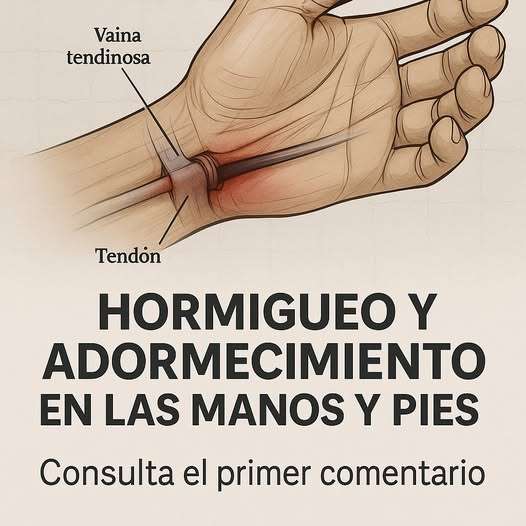
- Carpal Tunnel Syndrome (CTS): 👉 This is the compression of the median nerve as it passes through a narrow tunnel in your wrist. It often causes tingling in the thumb, index, and middle fingers, frequently waking people at night.
- Cervical Radiculopathy (Pinched Nerve in the Neck): 👉 Problems in your cervical spine (like a herniated disc or arthritis) can irritate the nerve roots that feed into your arms and hands. The location of your numbness can often point to which cervical level is affected.
- Diabetes: 👉 High blood sugar levels over time can lead to diabetic neuropathy, a type of nerve damage that often begins in the hands and feet with a "stocking and glove" pattern of numbness and burning pain.
- Hypothyroidism: 👉 An underactive thyroid can cause fluid retention and tissue swelling, which may put pressure on nerves in the wrists and hands.
- Vitamin B12 Deficiency: 👉 Essential for nerve health, a lack of B12 can cause significant neurological symptoms, including paresthesia in the extremities.
Important: Sudden numbness, especially if accompanied by weakness, confusion, slurred speech, or facial drooping, requires immediate emergency medical attention, as it could signal a stroke or transient ischemic attack (TIA).
Your Arsenal of Natural Remedies & Prevention Strategies 🌿
For non-emergency, occasional, or mild symptoms, several natural approaches can provide relief and prevent recurrence. These strategies focus on reducing inflammation, improving circulation, and taking pressure off your nerves.
- Ergonomic Optimization: 🖥️ Set up your workspace so your wrists are straight and your elbows are at a 90-degree angle. Use wrist rests, ergonomic keyboards, and mouse pads with gel supports. This is one of the most impactful changes you can make for repetitive strain.
- Nerve Gliding Exercises: 🤲 These gentle movements help "floss" the nerves through their surrounding tissues, improving their mobility and reducing adhesions. A common one is the "median nerve glide": make a gentle fist, then straighten your fingers, then gently bend your wrist back, and finally use your other hand to gently pull your thumb back. Perform slowly and without pain.
- Anti-Inflammatory Nutrition: 🥗 Incorporate turmeric (with black pepper for absorption), ginger, omega-3 fatty acids (from fish or flaxseed), and antioxidant-rich berries into your diet. Reduce intake of processed foods, sugar, and excessive alcohol, which can promote inflammation.
- Targeted Supplementation: 💊 Consider high-quality supplements after consulting your doctor. Alpha-lipoic acid, magnesium, and a B-complex vitamin (especially B6, B12, and folate) have shown promise in supporting nerve health and reducing neuropathic symptoms.
- Mind-Body Practices: 🧘♀️ Stress exacerbates muscle tension and inflammation. Practices like yoga, tai chi, and meditation not only reduce stress but also improve posture, body awareness, and circulation, creating a healthier environment for your nerves.
- Heat & Cold Therapy: 🔥❄️ For stiff, achy muscles in the neck and shoulders that may be contributing to nerve pressure, a warm compress can relax tissues. For acute inflammation in the wrist, a cold pack (wrapped in a towel) for 15-minute intervals can help reduce swelling.
Conclusion & Final Thoughts: Taking Proactive Control of Your Nerve Health
The occasional sleepy hand is usually a harmless nudge from your body to change position. However, frequent or persistent symptoms are a clear message that should not be ignored. By understanding the potential causes—from simple postural habits to signs of conditions like Carpal Tunnel Syndrome or diabetes—you move from a place of worry to one of informed action. Start with the foundational natural remedies: optimize your ergonomics, incorporate gentle nerve glides, and nourish your body with anti-inflammatory foods. These steps empower you to take proactive control of your well-being. 🛡️
Remember, this information serves as a guide, not a substitute for professional medical advice. If your symptoms are intense, worsening, or accompanied by other concerning signs like muscle weakness, prioritize a consultation with your doctor or a neurologist. A proper diagnosis is the first and most critical step toward effective treatment. Listen to your body's signals—your hands are talking, and it's time to understand what they're saying.
Leave a Reply