
Do Your Hands Frequently Fall Asleep? Find Out What Could Be Behind It, Associated Conditions, and the Top Natural Remedies
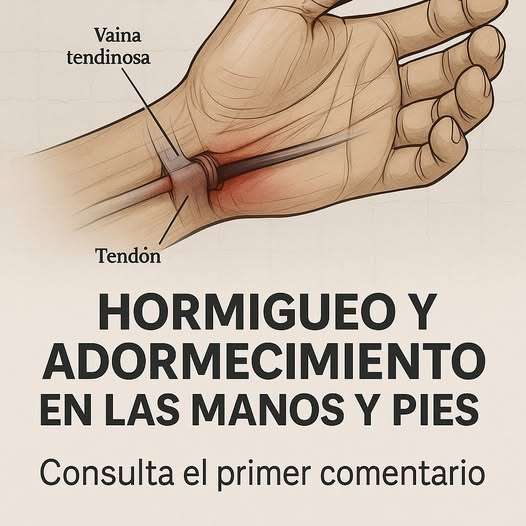
Have you ever experienced that sudden, unsettling sensation of pins and needles in your hands, perhaps waking you up at night or interrupting your workday? 🤚💤 That common feeling, often described as your hand "falling asleep," is more than just a minor annoyance. While occasional episodes are usually harmless, frequent occurrences can be a signal from your body that something needs attention. This article delves into the potential causes behind this phenomenon, explores associated health conditions, and provides a guide to effective, natural remedies to help you regain comfort and function.
Understanding the "Pins and Needles" Sensation 🧠
The medical term for this feeling is paresthesia. It occurs when there is sustained pressure on a nerve, disrupting its normal communication with your brain. Think of it like sitting on a phone line—the signal gets fuzzy or cuts out. When the pressure is relieved, the nerve "wakes up," leading to that characteristic tingling, prickling, or numb sensation as the signals return, sometimes quite forcefully. While temporary pressure is the most common culprit, recurrent episodes suggest the nerve is being irritated or compressed on a more regular basis.
Common Culprits: What's Putting Your Nerves to Sleep? 🔍
Let's explore the frequent, often lifestyle-related, reasons your hands might fall asleep:
- Poor Sleeping Postures: Sleeping with your wrists bent under your head or body can compress the nerves in your arms and hands for extended periods.
- Repetitive Strain: Activities like typing, using tools, or playing an instrument for long hours without breaks can inflame tendons and put pressure on nearby nerves.
- Direct Pressure: Leaning on your elbows or resting your wrists on hard edges (like a desk or table) while working can directly compress the ulnar or median nerves.
Associated Medical Conditions to Consider ⚠️
When paresthesia becomes frequent or is accompanied by other symptoms like pain, weakness, or clumsiness, it may be linked to an underlying condition. It's crucial to consult a healthcare professional for an accurate diagnosis. Key conditions include:
- Carpal Tunnel Syndrome (CTS): This is the compression of the median nerve as it travels through the wrist. It's a leading cause of hand numbness and tingling, especially in the thumb, index, and middle fingers. 👋
- Cervical Radiculopathy: Often called a "pinched nerve" in the neck. Problems with the discs or joints in your cervical spine can irritate the nerve roots that travel down to your arms and hands.
- Diabetes: High blood sugar levels over time can damage nerves throughout the body, a condition known as diabetic neuropathy. This often causes symmetrical tingling or numbness in both hands and feet.
- Vitamin Deficiencies: Deficiencies in vitamins B12, B6, and E are essential for nerve health and function. A lack can lead to various neurological symptoms, including paresthesia.
Top Natural Remedies and Proactive Strategies 🌿
For non-severe, occasional issues or as a complement to medical treatment, these natural approaches can offer significant relief:
1. Ergonomic Optimization: Adjust your workspace! Ensure your wrists are in a neutral, straight position while typing. Use ergonomic keyboards, mouse pads with wrist rests, and take micro-breaks every 30 minutes to stretch.
2. Targeted Stretching and Exercise: Gentle stretches for your wrists, forearms, neck, and shoulders can relieve tension and improve circulation. Try the "prayer stretch" or wrist flexor/extensor stretches, holding each for 15-30 seconds. 💪
3. Anti-Inflammatory Nutrition: Incorporate foods rich in omega-3 fatty acids (like salmon, flaxseeds), antioxidants (berries, leafy greens), and magnesium (nuts, spinach) to help reduce nerve inflammation.
4. Mindful Posture and Movement: Be conscious of your posture throughout the day. Avoid slouching and try not to cross your legs or arms for prolonged periods, as this can impede blood flow.
5. Warm Compresses and Epsom Salt Soaks: Applying warmth to stiff neck and shoulder muscles or soaking your hands in warm water with Epsom salt (rich in magnesium) can ease muscle tension and promote relaxation.
Conclusion: Listening to Your Body's Signals
Frequent hand numbness is your body's way of sending a message. 🚨 While it's often related to reversible habits like posture or repetitive motion, it should not be consistently ignored. By understanding the potential causes—from simple nerve compression to conditions like Carpal Tunnel Syndrome or diabetes—you are empowered to take proactive steps. Start with the natural remedies and lifestyle adjustments outlined here: optimize your ergonomics, incorporate key stretches, and nourish your nerves with the right nutrients. However, if symptoms persist, worsen, or are accompanied by weakness or pain, seeking professional medical advice is the most important step you can take. Your hands are vital tools for interacting with the world; giving them the care they deserve ensures they continue to serve you well for years to come. ✨
Leave a Reply