
Do Your Hands Often Fall Asleep? Discover the Possible Causes, Associated Conditions, and Best Natural Remedies
Do Your Hands Often Fall Asleep? Discover the Possible Causes, Associated Conditions, and Best Natural Remedies
That familiar, unsettling sensation of pins and needles, numbness, or a "dead" feeling in your hands—often described as your hand "falling asleep"—is something most people experience occasionally. 🫱🫲 But when it happens frequently or without an obvious cause, it can move from a minor annoyance to a source of real concern. This phenomenon, medically known as paresthesia, is your body's way of signaling that a nerve is being compressed or irritated. This comprehensive guide will delve into the common and not-so-common reasons behind this sensation, explore associated health conditions you should be aware of, and provide actionable, natural remedies to help you regain comfort and function. Let's unravel the mystery behind those tingling fingers together. 🔍
Understanding the "Pins and Needles" Sensation 🧠
Before we explore the causes, it's helpful to understand the basic mechanism. The tingling or numbness you feel is typically a sign of nerve distress. Nerves are like electrical cables transmitting signals between your brain and the rest of your body. When pressure is applied to a nerve—say, from leaning on your elbow or sleeping on your wrist—it disrupts these signals. Initially, this causes numbness. As the pressure is relieved and blood flow returns, the nerve fires erratic signals, which you perceive as that prickling "pins and needles" feeling. While temporary pressure is harmless, chronic compression or underlying damage requires attention.
Common Culprits: Why Your Hands Might Fall Asleep 🤔
Often, the cause is benign and related to posture or habitual activities. Identifying these can be the first step to relief.
Poor Sleeping Posture: Sleeping with your wrist bent under your head or body is a prime suspect. This position compresses the median nerve in your wrist. Try to train yourself to sleep with your arms and wrists in a more neutral, straight position.
Repetitive Strain Injuries (RSI): Activities involving repetitive hand or wrist movements—typing, using tools, playing an instrument—can lead to inflammation that swells tissues and presses on nerves. 🎹🛠️ Taking regular, short breaks to stretch is crucial.
Prolonged Pressure: Leaning on your elbows at a desk or holding a phone between your ear and shoulder for long calls can compress nerves in the ulnar nerve (funny bone) area, leading to tingling in the ring and pinky fingers.
Vitamin Deficiencies: Vitamins B12, B6, and E are vital for nerve health. A deficiency, especially in B12, can lead to nerve damage and persistent paresthesia. This is a key reason to maintain a balanced diet or consider supplements under medical guidance. 🥦🥩
Associated Medical Conditions to Consider 🩺
When hand numbness is frequent, severe, or accompanied by other symptoms, it may indicate an underlying medical condition. Consulting a healthcare professional is essential for proper diagnosis.
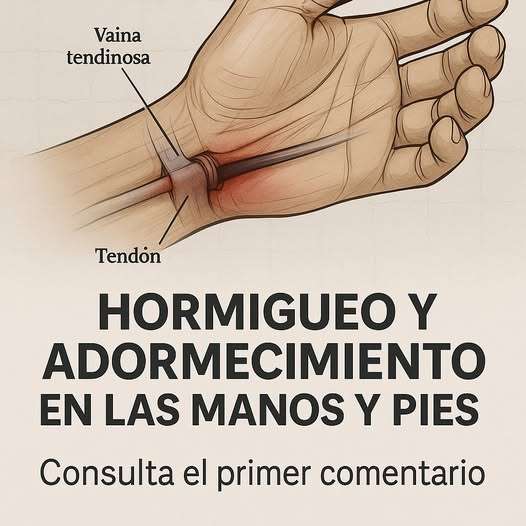
Carpal Tunnel Syndrome (CTS): This is the most well-known entrapment neuropathy. It occurs when the median nerve is compressed as it travels through the carpal tunnel in your wrist. Symptoms often include tingling, numbness, and weakness in the thumb, index, and middle fingers, frequently worsening at night.
Cervical Radiculopathy (Pinched Nerve in the Neck): Problems in your neck, such as a herniated disc or arthritis, can irritate the nerve roots that travel down to your hands. The tingling or numbness often follows a specific path down your arm. Issues here often start in the neck or shoulder.
Diabetes: High blood sugar levels can, over time, damage nerves throughout the body, a condition called diabetic neuropathy. It often affects the hands and feet symmetrically ("stocking and glove" distribution). Proper blood sugar management is the cornerstone of prevention and treatment. 📊
Raynaud's Phenomenon: This condition causes exaggerated vasospasms in response to cold or stress, drastically reducing blood flow to the fingers. This leads to numbness, a cold sensation, and color changes (white, then blue, then red). Keeping hands warm is paramount. 🧤
Other Conditions: Thyroid disorders, autoimmune diseases (like lupus or rheumatoid arthritis), and even certain medications can also list paresthesia as a symptom.
Best Natural Remedies and Preventative Strategies 🌿
For non-severe, occasional paresthesia, several natural approaches can provide significant relief and prevent recurrence.
Ergonomic Optimization: Set up your workspace to support neutral postures. Ensure your wrists are straight when typing, use ergonomic keyboards or mouse pads with wrist rests, and adjust your chair and monitor height to avoid slouching or reaching.
Targeted Stretching and Strengthening: Regularly stretching the wrists, forearms, neck, and shoulders can relieve pressure on nerves. Simple exercises like wrist flexor/extensor stretches, "prayer" stretches, and gentle neck tilts can work wonders. Strengthening forearm muscles also provides better support. 💪
Anti-Inflammatory Diet: Incorporate foods rich in omega-3 fatty acids (salmon, walnuts, flaxseeds), antioxidants (berries, leafy greens), and magnesium (almonds, spinach, avocados). Reducing processed foods and sugar can also help decrease systemic inflammation that may aggravate nerve tissues.
Stress Management and Mindful Movement: Chronic stress tenses muscles, potentially compressing nerves. Practices like yoga, tai chi, and meditation not only reduce stress but also improve posture, body awareness, and circulation—all beneficial for nerve health. 🧘♀️
Warm Compresses and Massage: Applying warmth to the neck, shoulders, and forearms can relax tight muscles and improve blood flow. Gentle self-massage along the forearm and palm can also help release tension and stimulate circulation.
Consider Supplementation: After consulting with a doctor, supplements like Alpha-Lipoic Acid (ALA), Acetyl-L-Carnitine, and a high-quality B-complex vitamin have shown promise in supporting nerve function and reducing neuropathic symptoms.
Conclusion: Taking Control of Your Hand Health ✨
Experiencing your hands falling asleep occasionally is usually a harmless reminder from your body to change position. However, persistent, painful, or worsening numbness and tingling should never be ignored, as they can be important warning signs of underlying conditions like carpal tunnel syndrome, cervical issues, or metabolic disorders like diabetes. By understanding the potential causes—from everyday posture to associated health conditions—you are empowered to take proactive steps. Start with the practical, natural remedies outlined here: optimize your ergonomics, embrace regular stretching, nourish your body with an anti-inflammatory diet, and manage stress. These strategies form a powerful foundation for nerve health. If symptoms persist, let this be your cue to seek a professional evaluation. Taking a holistic and informed approach allows you to address discomfort at its root, ensuring your hands remain capable, comfortable, and connected for all of life's activities. 🙌
Leave a Reply