
Do Your Hands Often Fall Asleep? Discover the Possible Causes, Associated Conditions, and Best Natural Remedies
Have you ever woken up in the middle of the night or been sitting at your desk, only to find that your hand feels numb, tingly, or like it's "asleep"? 🤚 This peculiar and sometimes unsettling sensation, known medically as paresthesia, is an experience shared by millions. While often temporary and harmless, it can sometimes be a sign of an underlying condition that needs attention. This article will guide you through the possible causes, conditions associated with this symptom, and the best natural remedies to help you regain comfort and sensation in your hands. Let's unravel the mystery behind those sleepy fingers! 🧐
What Does It Mean When Your Hand "Falls Asleep"?
The sensation of a hand falling asleep is characterized by numbness, a "pins and needles" feeling (paresthesia), or a faint burning sensation. This happens when there is sustained pressure on a nerve or blood vessels. The pressure disrupts the normal communication between your nerves and your brain, leading to these strange signals. Once you change position and the pressure is relieved, blood flow returns, and the nerves begin firing again, causing that familiar, sometimes uncomfortable, tingling as sensation returns. In most cases, this is a temporary glitch. However, if it occurs frequently without an obvious cause, it's time to investigate further. 🔍
Common Causes of Temporary Hand Numbness
Often, the cause is simple and related to your posture or daily habits. Identifying these can be the first step toward prevention.
- 🛌 Sleeping Position: Sleeping with your arm bent or trapped under your head or body can compress the nerves in your arm or wrist.
- 💻 Repetitive Strain: Spending long hours typing, using a mouse, or engaging in activities that involve repetitive wrist movements can irritate the nerves and tendons.
- 🧘 Poor Posture: Slouching at your desk or holding your arms in a fixed position for extended periods can lead to nerve compression in your neck or shoulders.
- 💍 Tight Clothing or Jewelry: Surprisingly, a tight watch, bracelet, or even a ring can put pressure on superficial nerves.
The key to addressing these temporary causes is mindfulness of your body's position and taking regular breaks to move and stretch. ⏰
When to Be Concerned: Associated Medical Conditions
If the numbness and tingling are persistent, severe, or not linked to posture, they could be symptoms of an underlying medical condition. It's crucial to consult a healthcare professional for an accurate diagnosis.
Carpal Tunnel Syndrome (CTS)
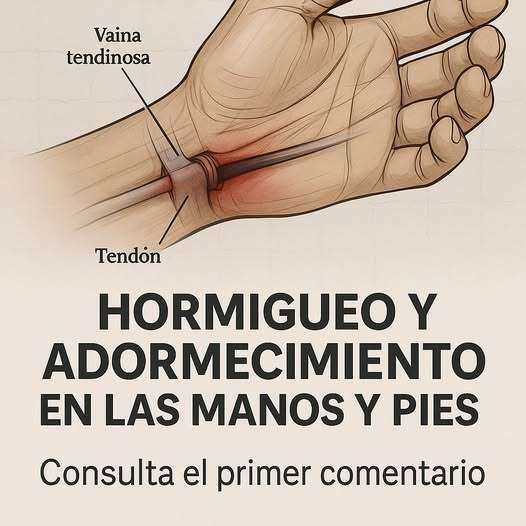
This is one of the most common culprits. CTS occurs when the median nerve, which runs from your forearm into your palm, becomes compressed at the wrist. 🤲 Symptoms often include tingling or numbness in the thumb, index, and middle fingers, sometimes accompanied by weakness in the hand. Those who perform repetitive motions are at higher risk.
Cervical Radiculopathy (Pinched Nerve in the Neck)
A problem in your neck, such as a herniated disc or bone spur, can pinch a nerve that travels down to your arm and hand. This can cause numbness, tingling, or pain that radiates from your neck down to your fingertips. 🦴
Vitamin Deficiencies
Deficiencies in certain vitamins, particularly B12, B6, and E, are known to cause nerve damage (neuropathy) leading to numbness and tingling. Ensuring a balanced diet or considering supplements after consulting with a doctor can help. 🥦
Diabetes
High blood sugar levels over time can lead to diabetic neuropathy, a type of nerve damage that often begins in the hands and feet. This makes frequent or unexplained hand numbness a significant symptom to discuss with a physician. 🩺
Thoracic Outlet Syndrome (TOS)
This condition involves the compression of blood vessels or nerves in the space between your collarbone and your first rib. It can cause numbness in your fingers and pain in your shoulder and neck.
Best Natural Remedies and Prevention Strategies
For temporary or mild cases, several natural approaches can provide relief and prevent future episodes.
Ergonomics and Posture Correction
Set up your workspace to support your body. Ensure your chair, desk, and computer monitor are at the correct height. Your wrists should be in a neutral, straight position while typing, not bent upwards or downwards. An ergonomic keyboard and mouse can make a world of difference. 🖥️
Targeted Stretches and Exercises
Incorporate simple stretches into your daily routine to relieve pressure and improve circulation:
- Wrist Flexor Stretch: Extend your arm with your palm facing up. Gently pull your fingers back toward your body with your other hand. Hold for 15-30 seconds. ✋
- Wrist Extensor Stretch: Extend your arm with your palm facing down. Gently press your fingers down toward the floor. Hold for 15-30 seconds.
- Nerve Gliding Exercises: These gentle movements help the nerves slide more smoothly through the surrounding tissues. A simple one is making a fist, then slowly straightening and spreading your fingers.
Anti-Inflammatory Diet
Chronic inflammation can contribute to nerve compression. Focus on a diet rich in omega-3 fatty acids (found in fish, flaxseeds, and walnuts), turmeric, ginger, and plenty of fruits and vegetables. Reducing processed foods and sugar can also help manage inflammation. 🥗
Stress Management and Mind-Body Practices
Stress can exacerbate muscle tension and pain. Practices like yoga, tai chi, and meditation can help reduce overall tension in the body, improve posture, and promote relaxation, indirectly benefiting nerve health. 🧘♀️
Warm Compresses and Massage
Applying a warm compress to the affected hand, wrist, or neck can help relax tight muscles and improve blood flow. Gentle self-massage of the hand, forearm, and shoulder can also relieve tension and stimulate circulation. ✨
Conclusion: Taking Control of Your Hand Health
While the occasional "sleepy hand" is usually nothing to worry about, persistent or worsening symptoms should never be ignored. By understanding the potential causes—from simple positional pressure to conditions like Carpal Tunnel Syndrome or vitamin deficiencies—you are empowered to take proactive steps. Start with the natural remedies: optimize your workspace, integrate stretching into your day, and nourish your body with an anti-inflammatory diet. Remember, your body often sends signals for a reason. Listening to those signals and seeking professional advice when needed is the most powerful step you can take toward maintaining your health and well-being. Here's to comfortable, tingle-free hands! 🙌
Leave a Reply