
Do Your Hands Often Fall Asleep? Discover the Possible Causes, Associated Conditions, and Top Natural Remedies
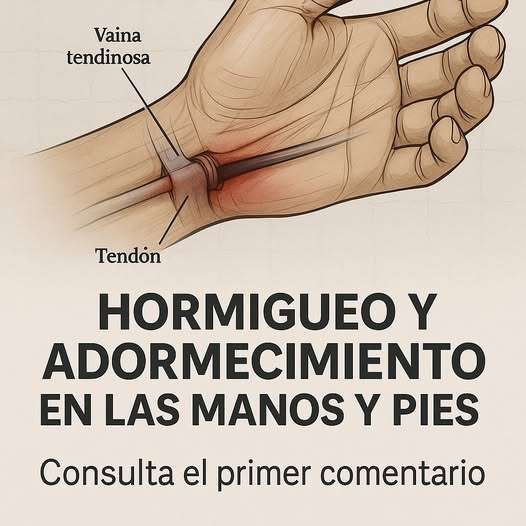
Have you ever experienced that unsettling sensation of your hand or fingers "falling asleep," replaced by a strange tingling or numbness? 🫣 This common phenomenon, known medically as paresthesia, can range from a temporary, harmless annoyance to a potential sign of an underlying health condition. In this comprehensive guide, we will explore the possible causes behind this peculiar feeling, discuss associated medical conditions you should be aware of, and provide you with top-tier natural remedies to find relief and regain comfort in your daily life. Let's unravel the mystery behind your sleeping hands. 👋
What Exactly is the "Falling Asleep" Sensation? 🧐
When we say a body part has "fallen asleep," we're describing a temporary disruption in communication between your nerves and your brain. This is often caused by sustained pressure on a nerve or blood vessels, leading to compromised blood flow. The resulting numbness and the subsequent "pins and needles" sensation (paresthesia) are your nerves' way of signaling that they're being compressed or are struggling to function normally. While usually brief, understanding why it happens frequently is crucial.
Common Culprits: Why Your Hands Fall Asleep
Often, the reasons are related to our habits and postures. Identifying these triggers is the first step toward prevention.
1. Nerve Compression: This is the most frequent cause. The three main nerves running from your neck to your hand can get pinched at various points.
2. Poor Sleeping Positions: 🛌 Sleeping with your wrist bent at an awkward angle or with your arm tucked under your head or body can put direct pressure on nerves and blood vessels, leading to you waking up with a numb hand.
3. Repetitive Strain Injuries (RSI): Constant, repetitive motions, such as typing on a keyboard 👩💻, using tools, or playing a musical instrument 🎸, can inflame the tendons in your wrist. This swelling can, in turn, compress the median nerve, a condition often associated with Carpal Tunnel Syndrome.
4. Sustained Postures: Holding your arms or wrists in a fixed position for long periods, like while driving 🚗, reading a book, or talking on the phone, can have a similar compressing effect.
When to Pay Closer Attention: Associated Medical Conditions ⚠️
If the numbness and tingling are persistent, occur without an obvious cause, or are accompanied by other symptoms, it could indicate a more systemic health issue. It is essential to consult a healthcare professional for an accurate diagnosis.
• Carpal Tunnel Syndrome (CTS): This is a specific condition where the median nerve is compressed as it travels through the wrist's carpal tunnel. Symptoms often include numbness or tingling in the thumb, index, middle, and part of the ring finger, sometimes worsening at night.
• Cervical Radiculopathy (Pinched Nerve in the Neck): A herniated disc or bone spur in your neck can press on the nerves that lead to your arms and hands. The location of the numbness can help your doctor pinpoint which nerve root is affected.
• Vitamin Deficiencies: A lack of essential vitamins, particularly B12 (crucial for nerve health), can lead to nerve damage and persistent paresthesia. 🥗
• Diabetes: Prolonged high blood sugar can cause diabetic neuropathy, a type of nerve damage that often begins in the hands and feet. This typically causes a constant numbness or burning pain.
• Thyroid Disorders: An underactive thyroid (hypothyroidism) can sometimes lead to peripheral neuropathy, manifesting as tingling in the extremities.
• Other Conditions: In rarer cases, conditions like Multiple Sclerosis, Lyme Disease, or a transient ischemic attack (TIA or "mini-stroke") can include hand numbness as a symptom.
Top Natural Remedies and Preventative Strategies 🌿
For occasional numbness not linked to a serious medical condition, several natural approaches can provide significant relief and prevention.
1. Ergonomic Adjustments: Adjust your workspace and habits to keep your wrists in a neutral position. Use an ergonomic keyboard and mouse, ensure your desk and chair are at the correct height, and take regular breaks to stretch during repetitive tasks.
2. Stretching and Exercise: 💪 Simple exercises can improve circulation and nerve gliding.
• Wrist Flexor Stretch: Extend your arm with the palm facing up. Gently pull the fingers back toward your body with your other hand. Hold for 15-30 seconds.
• Nerve Gliding Exercise: Make a fist, then straighten your fingers, and finally gently spread them apart. Repeat 5-10 times.
3. Anti-Inflammatory Diet: Incorporate foods rich in anti-inflammatory properties and essential vitamins. Focus on leafy greens, berries, nuts (especially those high in B vitamins and magnesium), and fatty fish rich in Omega-3s. 🐟
4. Stress Reduction and Mindful Movement: Practices like yoga 🧘 and tai chi can improve posture, increase blood flow, and reduce overall tension that contributes to nerve compression.
5. Temperature Therapy: Applying a warm compress to a stiff neck or shoulder can relax muscles and improve circulation, potentially relieving pressure on a nerve.
6. Consider Supplements: After consulting with your doctor, you might explore supplements like Alpha-Lipoic Acid, Magnesium, or a B-Complex vitamin, which have been studied for their potential benefits in supporting nerve health.
Conclusion: Taking Control of Your Hand Health
Experiencing your hands falling asleep occasionally is often a simple message from your body to change your position or habits. By understanding the common causes—from poor sleep posture to repetitive strain—you can take proactive steps to prevent it. However, it is vital to listen to your body's signals. If numbness is frequent, severe, or accompanied by weakness, muscle wasting, or occurs in other parts of your body, seeking professional medical advice is non-negotiable. A healthcare provider can help rule out or diagnose underlying conditions and guide you toward the most effective treatment plan. By combining mindful practices, ergonomic adjustments, and a healthy lifestyle, you can keep the communication lines between your hands and brain clear and fully functional. ✨
Leave a Reply