
Do Your Hands Often Fall Asleep? Discover What May Be Behind It, Associated Diseases, and the Best Natural Remedies
Do Your Hands Often Fall Asleep? Discover What May Be Behind It, Associated Diseases, and the Best Natural Remedies
That familiar, unsettling sensation of pins and needles, numbness, or a "sleeping" feeling in your hands is something most people experience occasionally. 🫳 But when it happens frequently, it can be more than just a minor annoyance—it can be a signal from your body. This article delves into the common and not-so-common reasons behind this phenomenon, explores the health conditions it may be linked to, and provides actionable, natural strategies to find relief and improve your nerve health. 🤲 Let's unravel the mystery behind those tingling fingers.
Understanding the "Pins and Needles" Sensation 🧠
Medically known as paresthesia, the sensation of a limb "falling asleep" occurs when sustained pressure is applied to a nerve, disrupting its normal function. Think of it like sitting on a hose; the water (or in this case, nerve signals) can't flow properly. When the pressure is relieved, the nerve fires off signals chaotically, causing that characteristic tingling or prickling feeling. While temporary paresthesia from an awkward sleeping position is normal, recurrent episodes in your hands warrant a closer look.
Common Culprits Behind Numb Hands 🎯
Often, the causes are related to lifestyle or mechanical factors that put pressure on the nerves leading to your hands.
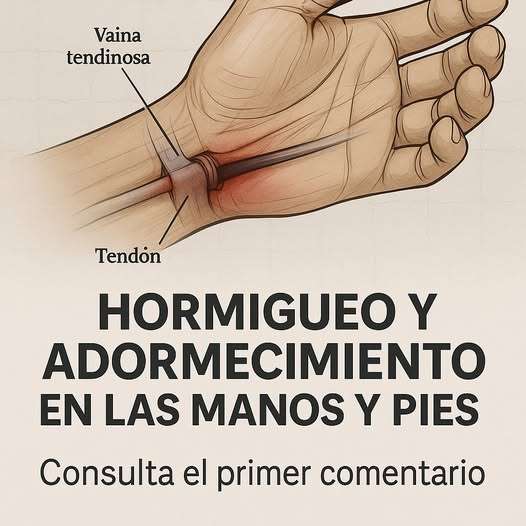
- Repetitive Strain: Activities like typing, using tools, or playing an instrument for prolonged periods can inflame tendons in the wrist, compressing the median nerve.
- Poor Posture: Slouching at your desk or sleeping with your wrists bent can pinch nerves in your neck (cervical radiculopathy) or wrist.
- Vitamin Deficiencies: Vitamins B1, B6, B12, and E are crucial for nerve health. A deficiency, especially in B12, can directly cause paresthesia.
- Dehydration and Electrolyte Imbalance: Proper fluid and mineral balance (like potassium and magnesium) are essential for nerve signal transmission.
The key is to identify and modify the repetitive behavior or posture causing the issue. 🔧
Associated Diseases: When to Seek Medical Attention ⚠️
Persistent hand numbness can sometimes be a symptom of an underlying medical condition. It's crucial to consult a healthcare professional if tingling is severe, constant, or accompanied by weakness, pain, or symptoms in other body parts.
- Carpal Tunnel Syndrome (CTS): The most common entrapment neuropathy, where the median nerve is compressed as it travels through the wrist. It often causes nighttime numbness in the thumb, index, and middle fingers. 🖐️
- Diabetes: High blood sugar can damage nerves over time, leading to diabetic neuropathy, which often starts as tingling in the hands and feet.
- Thyroid Disorders: Both hypothyroidism and hyperthyroidism can lead to nerve damage and paresthesia.
- Autoimmune Diseases: Conditions like rheumatoid arthritis, lupus, or multiple sclerosis can involve inflammation that affects the nervous system.
- Raynaud's Phenomenon: This causes blood vessels in the fingers and toes to spasm in response to cold or stress, leading to numbness and color changes.
Early diagnosis of these conditions is vital for effective management and preventing further nerve damage. 👩⚕️
Top Natural Remedies and Lifestyle Adjustments 🌿
Alongside any medical treatment, these natural approaches can support nerve health and alleviate symptoms.
1. Ergonomic Optimization & Stretching
Set up your workspace to keep wrists in a neutral position. Take frequent breaks to perform simple stretches: gently rotate your wrists, stretch your fingers wide, and do the "prayer" stretch. 💻 These movements improve circulation and reduce pressure on nerves.
2. Anti-Inflammatory Nutrition
Incorporate foods rich in omega-3 fatty acids (like salmon, walnuts), antioxidants (berries, leafy greens), and B vitamins (whole grains, eggs, lean meats). Consider supplements like Magnesium and Alpha-Lipoic Acid, which have shown promise in supporting nerve function, but always consult your doctor first. 🥗
3. Mind-Body Techniques for Circulation
Stress can exacerbate muscle tension and nerve symptoms. Practices like yoga, tai chi, and deep breathing not only reduce stress but also enhance blood flow and body awareness. 🧘♂️ Regular moderate exercise, like walking or swimming, is also excellent for overall circulation.
4. Warm Compresses and Massage
Applying a warm compress to the neck, shoulders, or wrists can relax tight muscles that may be impinging nerves. Gentle self-massage of the forearms and hands can stimulate blood flow and release tension. ✋
5. Prioritize Quality Sleep
Your body repairs itself during sleep. Ensure you have a supportive pillow and try to sleep in a position that doesn't bend your wrists or neck awkwardly. Wearing wrist splints at night can be immensely helpful for Carpal Tunnel sufferers. 😴
Conclusion: Taking Control of Your Hand Health 🙌
While an occasional "sleepy" hand is usually harmless, frequent numbness is your body's way of asking for attention. We've explored how it can stem from everyday habits like posture and repetitive motions, or signal conditions such as Carpal Tunnel Syndrome or diabetes. The cornerstone of management is a two-pronged approach: listening to your body's signals and making proactive, consistent lifestyle changes. By integrating ergonomic practices, targeted nutrition, stress management, and the natural remedies discussed, you can effectively support your nerve health and reduce discomfort. Remember, persistent symptoms are a clear sign to partner with a healthcare professional for a proper diagnosis. Take action today—your hands are vital tools for experiencing and interacting with the world. 🌟
Leave a Reply