
Do Your Hands Often Fall Asleep? Find Out What Might Be Behind It, Associated Diseases, and the Best Natural Remedies
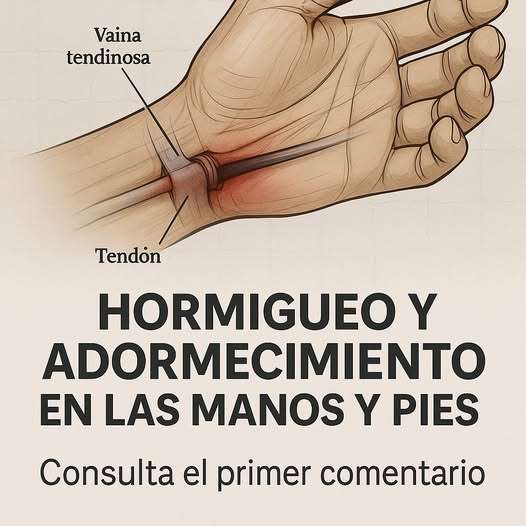
Do Your Hands Often Fall Asleep? Unraveling the Mystery ✨
That familiar, unsettling sensation of pins and needles, numbness, or a "dead" feeling in your hands—often described as your hand "falling asleep"—is an experience almost everyone has had. While occasional, brief episodes are usually harmless, frequent or persistent occurrences can be a red flag from your body. 🚨 This article delves deep into the potential causes behind this common yet often misunderstood symptom, explores associated medical conditions you should be aware of, and provides a comprehensive guide to effective, science-backed natural remedies. Our goal is to empower you with knowledge, helping you understand when it's a minor nuisance and when it might be time to seek professional guidance.
Beyond a Pinched Nerve: Common Causes of Hand Numbness
The technical term for this sensation is paresthesia. It primarily occurs when there is sustained pressure on a nerve, disrupting its normal signaling. However, recurring episodes often point to more systemic or chronic issues.
1. Poor Posture and Nerve Compression: This is the most frequent culprit. Sitting or sleeping in a position that compresses nerves in your wrist (carpal tunnel), elbow (ulnar nerve or "funny bone" nerve), or shoulder can lead to temporary numbness. For instance, sleeping with your wrist bent or resting your elbows on a hard desk for prolonged periods are classic examples.
2. Repetitive Strain Injuries (RSI): Activities involving repetitive hand or wrist motions—like typing, using tools, or playing an instrument—can cause inflammation in the tendons and surrounding tissues. This swelling can put pressure on nearby nerves, leading to symptoms of carpal tunnel syndrome. 🎹
3. Vitamin Deficiencies: Nerves require specific nutrients to function correctly. Deficiencies in Vitamin B12, B6, B1 (Thiamine), and E can directly damage nerve function, leading to paresthesia. This is a crucial and often overlooked factor.
4. Dehydration and Electrolyte Imbalance: Your nerves rely on a delicate balance of electrolytes like sodium, potassium, and calcium to transmit electrical signals. Even mild dehydration can disrupt this balance, potentially causing tingling sensations.
Associated Diseases: When to Pay Serious Attention 🩺
While often benign, persistent hand numbness can be a symptom of underlying medical conditions. It's essential to consult a healthcare provider if your symptoms are severe, worsening, or accompanied by other issues.
- Carpal Tunnel Syndrome: Compression of the median nerve as it passes through the wrist. Symptoms often include numbness in the thumb, index, middle, and part of the ring finger, frequently worse at night.
- Diabetes (Diabetic Neuropathy): High blood sugar levels can, over time, damage nerves throughout the body, often starting in the hands and feet. This is a common and serious cause of chronic paresthesia.
- Cervical Radiculopathy (Pinched Neck Nerve): Problems in your cervical spine (neck), such as a herniated disc or arthritis, can irritate the nerves that travel down to your hands, causing numbness or weakness.
- Raynaud's Disease: This condition causes some areas of the body to feel numb and cool in response to cold temperatures or stress, due to narrowed blood vessels. Fingers often turn white or blue.
- Autoimmune Diseases: Conditions like Rheumatoid Arthritis, Lupus, or Multiple Sclerosis (MS) can involve inflammation that affects the nerves or central nervous system, leading to sensory disturbances.
Your Action Plan: Effective Natural Remedies & Lifestyle Adjustments 🌿
For non-emergency, recurring numbness, several natural strategies can provide significant relief and address root causes.
Prioritize Ergonomic Optimization: Adjust your workspace. Ensure your wrists are straight and your elbows are at a 90-degree angle while typing. Use ergonomic keyboards, mouse pads with wrist rests, and take frequent breaks to stretch. 🖥️
Incorporate Targeted Stretches and Exercises: Regular stretching can relieve pressure on nerves. Try the "prayer stretch" (pressing palms together in front of your chest) and wrist flexor/extensor stretches. Strengthening forearm muscles can also provide better support.
Nutritional Support for Nerve Health: Focus on a diet rich in B vitamins. Include foods like leafy greens, eggs, legumes, nuts, seeds, and lean meats. Consider a high-quality B-complex supplement if deficient, but consult a professional first. Omega-3 fatty acids (from fish, flaxseeds) also fight inflammation.
Mind Your Posture, Especially While Sleeping: Avoid sleeping on your hands or with your wrists bent. Wearing a wrist splint at night can keep your wrist in a neutral position, drastically reducing nighttime symptoms.
Stress Management and Circulation: Chronic stress tenses muscles, potentially compressing nerves. Practices like yoga, meditation, or deep breathing can help. Also, improve circulation through regular cardiovascular exercise and avoiding tight clothing or jewelry on the wrists. 🧘♀️
Anti-Inflammatory Herbs and Supplements: Turmeric (curcumin), ginger, and magnesium have natural anti-inflammatory properties and may support nerve function. A warm ginger and turmeric tea can be a soothing nightly ritual.
Conclusion: Listen to Your Body's Signals
Occasional hand numbness is typically a minor issue resolved by shifting position. However, frequent, painful, or long-lasting episodes are your body's way of sending an important message. We've explored a spectrum of causes, from simple posture fixes to signs of conditions like diabetes or nerve compression syndromes. The natural remedies outlined—ergonomic changes, specific nutrition, stretching, and stress reduction—form a powerful, holistic first line of defense. 🛡️
Remember: This information is for educational purposes. If numbness is severe, doesn't go away, is accompanied by weakness, confusion, or affects one side of your body, seek immediate medical attention. For persistent issues, a healthcare provider can offer a precise diagnosis through tests and guide you toward the most effective treatment plan, which may combine natural approaches with medical therapy. Empower yourself with knowledge and proactive care for your long-term well-being.
Leave a Reply