
Euphorbia Hirta: Benefits, Recipes and Medicinal Properties
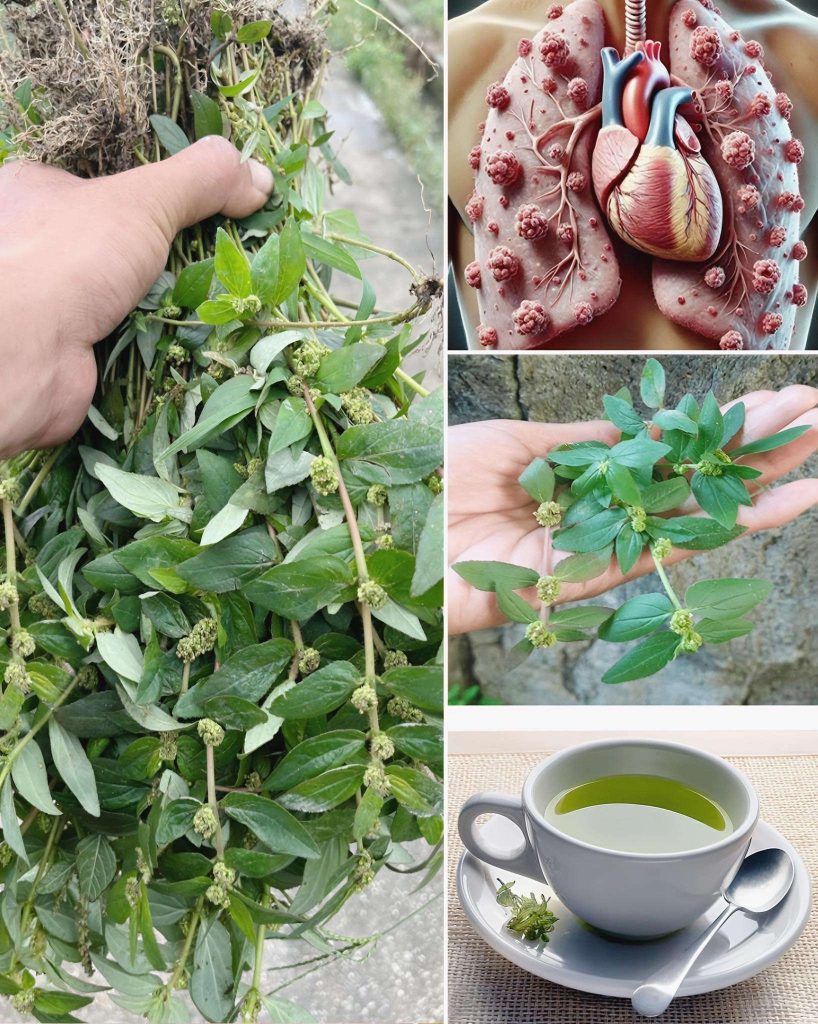
Welcome to a comprehensive exploration of Euphorbia Hirta, a humble yet powerfully medicinal plant that has been treasured across various cultures for generations. 🌿 Often referred to as asthma weed, snakeweed, or by its traditional names like "golondrina" and "hierba de sapo," this herb is a veritable natural pharmacy. In this detailed guide, we will uncover 25 remarkable benefits, provide you with step-by-step recipes, explain its medicinal properties, and outline crucial precautions. Our goal is to empower you with practical, natural health solutions that are both effective and easy to integrate into your wellness routine.
Detailed Recipes with Euphorbia Hirta
Let's dive into practical applications. Here are three potent, time-tested recipes to harness the healing power of Euphorbia Hirta.
1. Euphorbia Hirta Infusion for Respiratory Issues
This soothing tea is a traditional remedy for clearing the airways and supporting lung health, especially during cold and flu season. 🤧
Ingredients:
- 1 tablespoon of dried Euphorbia Hirta leaves
- 250 ml (about 1 cup) of water
- Honey (optional, for taste and added soothing properties)
Preparation:
- Bring the water to a rolling boil.
- Add the dried Euphorbia Hirta leaves, remove from heat, and cover.
- Let it steep for 10 minutes to allow the active compounds to infuse into the water.
- Strain the liquid into a cup and add honey if desired.
How to Consume: Drink this infusion twice a day—once in the morning and once before bed—for a period of 7 days.
Recommended Duration: A one-week course is typically sufficient to alleviate acute respiratory symptoms like persistent cough and phlegm. For chronic conditions, consult a healthcare professional for long-term use.
Key Benefits:
- Relieves nasal congestion and sinus pressure.
- Calms dry, irritating coughs.
- Promotes the expulsion of phlegm, acting as a natural expectorant.
- Supports overall lung function and capacity.
- Helps relax and open the bronchial airways.
- Reduces bronchial inflammation, which is key in asthma and bronchitis.
- Aids in managing sinusitis symptoms.
- Alleviates general discomfort associated with colds and flu.
- Provides a mild relaxing effect, which can promote restful sleep. 😴
- Contributes to detoxifying the respiratory tract.
If you found this recipe helpful, continue reading to discover how this miraculous plant can also transform your digestive health!
2. Euphorbia Hirta Digestive Tonic
This simple tonic can be a game-changer for your gut health, helping to soothe everything from occasional indigestion to more persistent issues. 🫁
Ingredients:
- 1 tablespoon of fresh Euphorbia Hirta (leaves and stems)
- 1 cup of water
- Juice from half a lemon 🍋
- A pinch of sea salt
Preparation:
- Gently boil the fresh Euphorbia Hirta in the water for 5 minutes.
- Allow the mixture to cool completely, then strain out the plant material.
- Stir in the fresh lemon juice and a pinch of salt.
How to Consume: Take one small cup of this tonic after your main meals for 5 consecutive days.
Recommended Duration: A five-day cycle is recommended to reset your digestive system and notice significant improvements in bloating and digestion.
Key Benefits:
- Eases constipation and promotes regular bowel movements.
- Effectively reduces intestinal gas and bloating.
- Combats slow digestion, helping your body process food more efficiently.
- Stimulates the production of essential digestive enzymes.
- Helps to detoxify and support liver function.
- Fortifies the gut microbiome, promoting a healthy balance of bacteria.
- Reduces nausea and abdominal cramping.
- Has antimicrobial properties that can help combat gut infections.
- Alleviates acid reflux and heartburn.
- Contributes to long-term digestive system health.
Ready for more? The next recipe reveals the incredible skin-healing potential of Euphorbia Hirta! ✨
3. Euphorbia Hirta Poultice for Skin Problems
This topical application harnesses the plant's anti-inflammatory and antimicrobial properties to address a variety of skin ailments. 🩹
Ingredients:
- 2 tablespoons of fresh Euphorbia Hirta leaves
- 1 tablespoon of coconut oil (known for its own moisturizing and antibacterial benefits)
- 1 clean piece of cloth or gauze
Preparation:
- Crush the fresh leaves thoroughly using a mortar and pestle until a smooth paste forms.
- Mix the paste with the coconut oil to create a spreadable consistency.
- Apply the mixture directly to the affected area of the skin.
- Cover gently with the clean cloth and leave it on for 20 minutes.
How to Use: Apply this poultice once daily for 5 days.
Recommended Duration: Use for up to five days in a row to see a noticeable improvement in skin conditions like rashes, minor wounds, or acne.
Key Benefits:
- Rapidly reduces skin inflammation and redness.
- Fights bacterial and fungal skin infections.
- Accelerates the healing process of cuts, scrapes, and wounds.
- Provides deep hydration to dry, irritated skin.
- Helps manage eczema and psoriasis flare-ups.
- Relieves persistent itching and irritation.
- Can help fade dark spots and hyperpigmentation over time.
- Acts as a powerful natural antiseptic for open wounds.
- Strengthens the skin's natural barrier.
- Effectively combats acne by reducing bacteria and inflammation.
Medicinal Properties of Euphorbia Hirta
The wide-ranging benefits of this plant stem from its rich and diverse phytochemical profile. Here’s a breakdown of its core medicinal properties: 🔬
- Anti-inflammatory 🧊: Reduces swelling and inflammation in the respiratory tract, digestive system, and skin.
- Antibacterial: Fights off harmful bacteria, making it useful for both internal and external infections.
- Expectorant: Loosens and expels mucus from the lungs and airways.
- Digestive: Soothes the digestive tract, relieves spasms, and stimulates enzyme activity.
- Antiseptic: Prevents the growth of disease-causing microorganisms on the skin.
- Antioxidant: Neutralizes free radicals, protecting cells from damage and supporting overall health.
- Cicatrizant
Leave a Reply