
Garlic Cultivation and Care
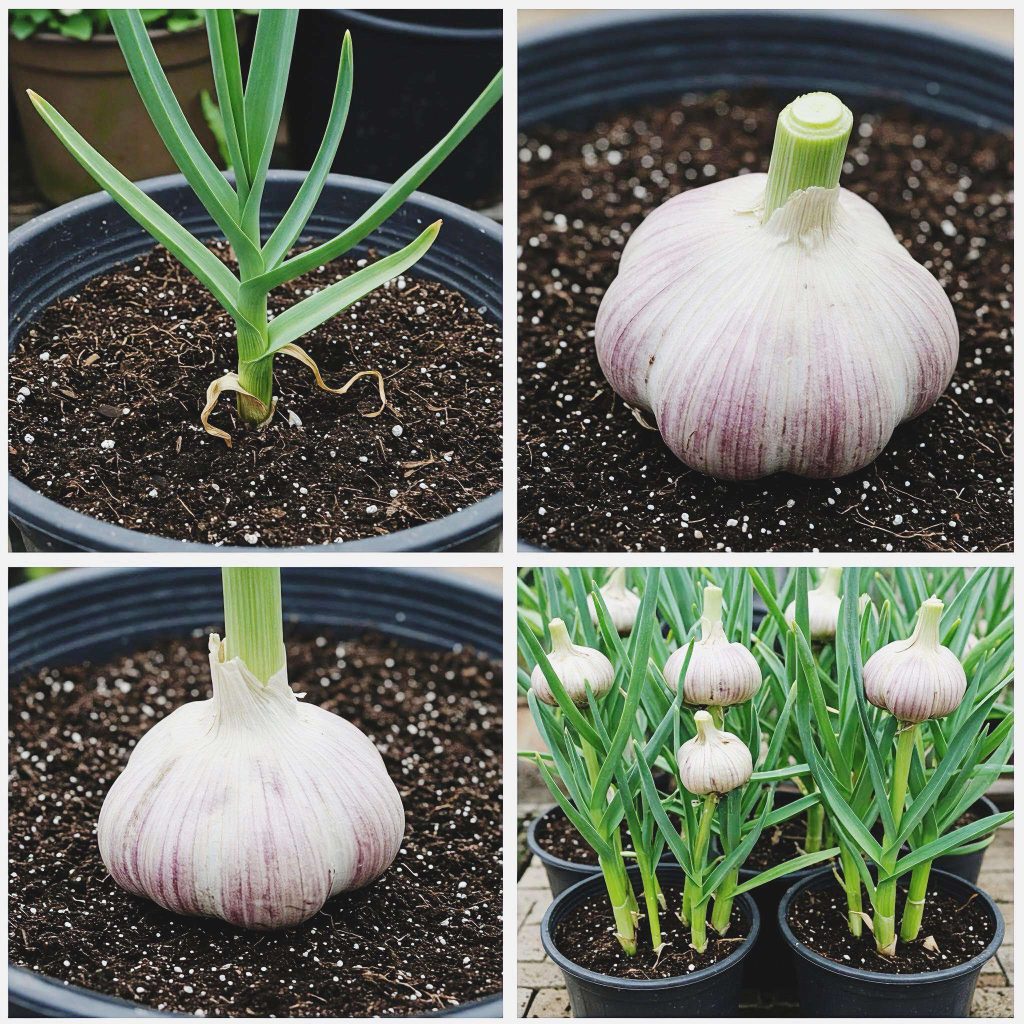
Garlic, with its unmistakable aroma and robust flavor, is more than just a culinary staple; it is a historical treasure deeply rooted in horticultural traditions across the globe. 🌍 This resilient and undemanding plant is a favorite among home gardeners, offering both simplicity in cultivation and a wealth of health benefits. In this comprehensive guide, we will explore everything you need to know about growing, caring for, and preserving garlic at home, ensuring a bountiful harvest and a continuous supply of this incredible ingredient. Let's dig in! 🌱
Why Grow Garlic at Home? 🧄
Garlic (Allium sativum) is one of the oldest cultivated plants, valued not only for its culinary uses but also for its medicinal properties. It is a hardy perennial that can thrive in various conditions, making it an ideal choice for beginners and experienced gardeners alike. Growing your own garlic ensures a fresh, organic supply, free from pesticides and commercial processing. Moreover, the process is incredibly rewarding, connecting you to the timeless cycle of planting, nurturing, and harvesting.
How to Cultivate Garlic at Home
To successfully grow garlic, it's essential to understand its basic requirements. Here’s what you need to know:
Soil: Garlic prefers well-drained, loamy soil with a pH between 5.5 and 7.5. If your soil is heavy clay, consider amending it with compost to improve drainage and fertility.
Sunlight: While garlic can tolerate partial shade, it thrives in full sun. Aim for at least 6-8 hours of direct sunlight daily for optimal bulb development.
Companion Planting: Garlic is a fantastic companion plant! It pairs well with vegetables like chard, celery, broccoli, raspberries, onions, leeks, lettuce, beets, cucumbers, carrots, and fruit trees. However, avoid planting it near green beans, cabbage, peas, and broad beans, as these can inhibit its growth.
Pro Tip: A few days before planting, enrich your soil with organic compost or well-rotted manure to provide essential nutrients. This step will give your garlic a strong start and promote healthy growth.
Planting Garlic: Step-by-Step Guide
Whether you're planting in a garden bed or a container, follow these steps for success:
1. Selecting Cloves: Choose healthy, firm garlic cloves from a reputable source. Avoid using cloves from the grocery store, as they may be treated with growth inhibitors.
2. Preparing the Soil: Loosen the soil to a depth of 8-10 inches and mix in organic matter. Create holes 3-4 inches deep and space them 6 inches apart.
3. Planting: Place each clove with the pointed end facing up and cover it with soil. Gently press down to ensure good soil contact.
4. Watering: Water lightly to moisten the soil, but avoid overwatering, as garlic dislikes soggy conditions.
Garlic Plant Care: Essential Tips
Proper care is crucial for a successful harvest. Here are the key aspects to focus on:
Watering: Garlic requires consistent moisture, especially during bulb formation. Water deeply once a week, but reduce frequency as harvest approaches to prevent rot.
Weeding: Keep the area around your garlic plants free of weeds, which compete for nutrients and water. Mulching with straw or leaves can help suppress weeds and retain soil moisture.
Fertilizing: Use organic fertilizers like compost, aged manure, or a balanced organic fertilizer. Apply a side dressing of fertilizer when the plants are about 6 inches tall and again during bulb development.
Pro Tip: Garlic prefers cooler temperatures during the initial growth stage. If you live in a warm climate, consider planting in the fall for a spring harvest.
Common Pests and Diseases 🐛
While garlic is relatively pest-resistant, it can occasionally fall victim to a few common issues:
Pests: Watch out for garlic weevil, onion fly, and nematodes. These pests can damage the bulbs and leaves. Use organic insecticides or introduce beneficial insects like ladybugs to control infestations.
Diseases: Garlic is susceptible to downy mildew, white rot, rust, and fungal infections. To prevent these, ensure proper spacing for air circulation and avoid overwatering. Crop rotation is also essential to reduce disease buildup in the soil.
How to Preserve Garlic
Preserving garlic allows you to enjoy its flavor and health benefits year-round. Here are two simple methods:
Garlic Stored in Olive Oil
This method is perfect for those who use garlic frequently in cooking. The result is flavorful, ready-to-use garlic cloves infused with the richness of olive oil.
Ingredients:
- Peeled garlic cloves
- Olive oil
Instructions:
- Place the peeled garlic cloves in a small saucepan and cover them with olive oil.
- Simmer over low heat until the cloves slightly change color (about 8 minutes).
- Transfer the mixture to a sterilized glass jar with a tight-fitting lid.
- Let it cool, then store it in the refrigerator. Use within two weeks for the best flavor and safety.
Garlic Preserved in Vinegar
This tangy preservation method is excellent for salads, marinades, and vegetable dishes.
Ingredients:
- 20 peeled garlic cloves
- 200 ml apple cider vinegar
- 2 fresh sage leaves
- 1 strip of lemon zest
Instructions:
- Place the peeled garlic cloves in a clean glass jar.
- Pour the vinegar over the garlic, ensuring it is fully submerged.
- Add the sage leaves and lemon zest.
- Seal the jar and store it in a cool, dark place for 15 days. Shake the jar occasionally to distribute the flavors.
- After 15 days, your preserved garlic is ready to use!
Conclusion
Growing garlic at home is a fulfilling endeavor that connects you to ancient gardening traditions while providing a fresh, organic supply of this versatile plant. From selecting the right cloves and preparing the soil to managing pests and preserving your harvest, each step is an opportunity to deepen your gardening skills. Remember, patience and attention to detail are key to a successful garlic crop. Whether you're a novice or an experienced gardener, the journey of cultivating garlic is as rewarding as the harvest itself. So, roll up your sleeves, plant some cloves, and enjoy the process of growing your own garlic!
Leave a Reply