
Herpes Zoster: How to Identify Its Symptoms and Its Relationship with Stress
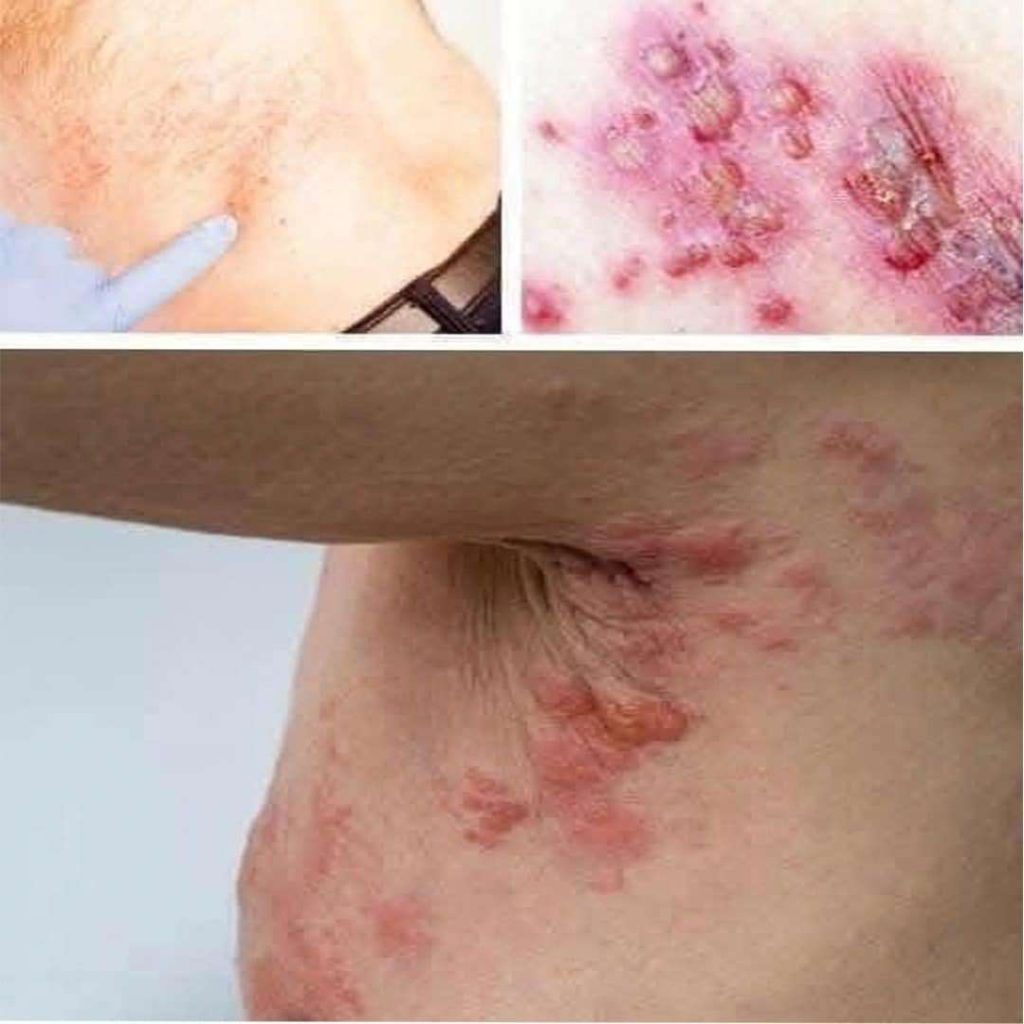
Herpes zoster, commonly known as shingles, is more than just a rash; it's a viral infection that emerges from the shadows of a past illness. This condition is a direct consequence of the varicella-zoster virus, the very same one that causes chickenpox. For many, the virus lies dormant for years, only to resurface unexpectedly, often when the immune system is most vulnerable. Understanding its triggers, especially the profound role of stress, and recognizing its early signs are the first critical steps toward effective management and a swift recovery. 🦠 This article will guide you through identifying the symptoms of shingles and unraveling its intricate connection with stress, empowering you with the knowledge to take proactive action for your health.
What Exactly Causes Herpes Zoster?
The culprit behind shingles is the varicella-zoster virus (VZV). After a person recovers from chickenpox, this virus does not leave the body. Instead, it retreats into a dormant state, hiding within the nerve tissues near the spinal cord and brain. For reasons that are not entirely clear, but are often linked to a weakened immune response, the virus can reactivate years or even decades later. Instead of causing another round of chickenpox, it travels along the nerve pathways to the skin, resulting in the painful and distinctive blisters of herpes zoster. This is why the condition typically affects a specific, localized band of skin, following the path of a single nerve.
Early Warning Signs: How to Identify Shingles Symptoms 🚨
Recognizing shingles early is paramount, as prompt treatment can significantly reduce the severity and duration of the outbreak. The symptoms often unfold in stages:
- Initial Phase (Prodromal Stage): Before any rash appears, you might experience a burning, tingling, itching, or deep pain in a specific area of your body. This discomfort is usually isolated to one side, such as the left or right torso, face, or neck. Some people also feel general malaise, fever, chills, or headache. 🤒
- The Active Rash: A few days after the initial pain, a red rash emerges. It quickly develops into clusters of fluid-filled blisters that resemble chickenpox. The key identifier is that these blisters are localized to one side of the body, forming a band or stripe pattern. The blisters will eventually break open, crust over, and heal within two to four weeks.
- Ongoing Discomfort: The affected skin can become exquisitely sensitive, a condition known as allodynia, where even the lightest touch from clothing or a breeze can cause significant pain. The area may remain intensely itchy and red throughout the outbreak.
The Critical Link: Stress as a Major Trigger 💥
While a weakened immune system due to age or illness is a known risk factor, stress is one of the most common and potent triggers for a shingles outbreak. When you experience prolonged physical or emotional stress, your body produces cortisol, a hormone that, in high levels over time, can suppress your immune system's effectiveness. This compromised state provides the dormant varicella-zoster virus with an opportunity to reactivate and travel along the nerve fibers. Therefore, individuals navigating high-pressure work situations, personal loss, or chronic anxiety are at a significantly higher risk of developing shingles. Managing stress isn't just about mental well-being; it's a crucial component of preventing this painful condition.
Potential Complications: Why Timely Action is Non-Negotiable
Leaving shingles untreated can lead to serious, long-term complications. The most frequent is postherpetic neuralgia (PHN), a condition where the severe nerve pain persists for months or even years after the rash has cleared. This happens because the virus causes damage to the nerve fibers, making them send exaggerated pain signals to the brain. Other complications, though rarer, can be severe. If the rash involves the face, particularly near the eyes (herpes zoster ophthalmicus), it can lead to vision loss or corneal damage. Similarly, if it affects the ears, it can cause hearing problems or balance issues (Ramsay Hunt Syndrome).
Effective Treatment and Essential Self-Care Practices 🩺
A proactive approach to treatment and self-care can make a world of difference in your recovery journey.
- Seek Medical Attention Immediately: As soon as you suspect shingles, consult a healthcare professional. Starting antiviral medications (like acyclovir, valacyclovir, or famciclovir) within 72 hours of the rash appearing can accelerate healing, reduce the severity of the outbreak, and crucially, lower your risk of developing postherpetic neuralgia.
- Meticulous Rash Care: Keep the rash clean and dry to prevent bacterial infection. Avoid scratching the blisters, as this can lead to scarring and secondary infections. You can use cool, wet compresses to soothe the itching and pain. 🧊
- Prioritize Holistic Health: Support your body's fight against the virus by getting plenty of rest, staying hydrated, and eating a nutritious diet rich in vitamins and minerals. This is the time to be kind to your body and allow it the resources it needs to heal.
- Implement Stress-Management Techniques: Since stress is a key player, actively managing it is a form of treatment. Consider incorporating practices like meditation, deep-breathing exercises, gentle yoga, or going for walks in nature into your daily routine. Finding healthy outlets for stress is an investment in your long-term health.
Conclusion: Empowerment Through Knowledge and Action
In summary, herpes zoster is a potent reminder of the lasting impact of the varicella-zoster virus and the critical importance of a robust immune system. Its strong connection to stress underscores the need for a holistic approach to health that encompasses both physical and mental well-being. By being able to identify the early symptoms—particularly the unique, one-sided pain and rash—and understanding the role of stress as a trigger, you are equipped to take swift and decisive action. Remember, early medical consultation is your strongest ally in mitigating pain, speeding up recovery, and preventing debilitating long-term complications. Prioritize your health by managing stress and listening to your body's signals. ✨
Leave a Reply