
How to Plant Blueberries at Home for an Endless Supply and Stop Buying Them
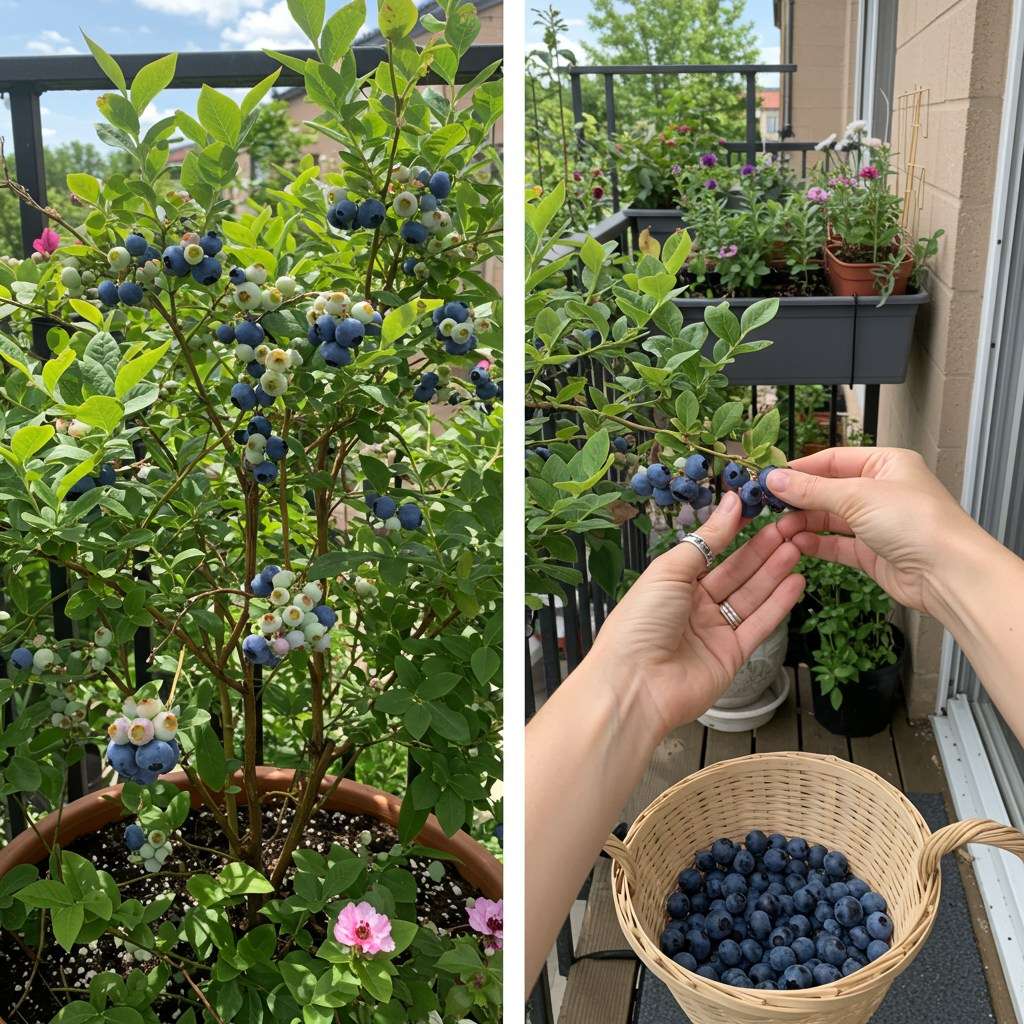
Are you tired of constantly buying those expensive little boxes of blueberries at the supermarket? 🫐 What if you could step into your own garden or onto your balcony and harvest fresh, juicy blueberries for your breakfast, smoothies, and desserts? Not only is it incredibly satisfying, but it's also a fantastic way to ensure you have a continuous supply of one of nature's most powerful superfoods. This guide will walk you through everything you need to know about how to plant blueberries at home for an endless supply and stop buying them. Let's transform your green space into a personal blueberry patch!
Why Grow Your Own Blueberries? The Superfruit Advantage 🌱
Slightly sweet and tangy, the blueberry is a fruit ranging from dark red to deep purple, celebrated for its exceptional nutritional profile. It is a treasure trove of vitamins, including a significant amount of Vitamin K, along with essential trace elements and minerals. In fact, this small but mighty fruit contains impressive quantities of magnesium, potassium, calcium, iron, zinc, and even vanadium. Derived from the blueberry bush, a shrub from the Ericaceae family, blueberries are not only delicious but also low in calories. They are packed with antioxidants that fight oxidative stress and support overall health. By growing them yourself, you gain access to peak freshness and nutrient density that store-bought berries simply can't match.
Blueberry Species: Choosing the Right One for Your Garden
Before you rush to the nursery, it's crucial to understand that not all blueberry bushes are the same. Selecting the right species is the first step to a successful harvest.
Vaccinium myrtillus (Wild Bilberry): 🏔️ This is the wild blueberry, typically measuring between 20 and 50 cm in height with evergreen foliage. It's usually found growing naturally in heathlands, moors, and forest clearings. While delicious, it can be more challenging to cultivate in a typical garden setting.
Vaccinium corymbosum (Highbush Blueberry): 🌳 This is the most common blueberry shrub for home gardeners, growing to a manageable height of 1.5 to 2 meters. It is perfectly suited for cultivation in pots, garden beds, or orchards. This is the variety we highly recommend for its reliability and abundant fruit production.
The Ultimate Guide to Planting Your Blueberry Bush
Starting your blueberry journey is exciting! Follow these steps to give your plants the best possible foundation for a lifetime of fruitful harvests.
1. The Perfect Location: Sun and Shelter ☀️
Blueberries thrive best when planted in a sunny or partially shaded spot. Ample sunlight is key for developing the sugars that make the berries so sweet.
2. The Critical Factor: Mastering the Soil 🧪
This is the most important step. Blueberry bushes must have acidic, well-drained soil that is completely free of lime. A pH between 4.5 and 5.5 is ideal. If your garden soil is neutral or alkaline, don't worry—you can still succeed by planting in containers.
3. Container Planting: A Foolproof Solution 🪴
If your garden isn't suitable, a wide container is an excellent alternative. Choose a pot that is at least 45-50 cm in diameter and depth.
- Cover the bottom with a layer of clay pebbles or gravel for optimal drainage.
- Fill the pot with a mixture specifically designed for acid-loving plants, such as ericaceous compost. You can mix in one-tenth of regular compost or potting soil to help the substrate retain moisture.
4. The Best Time to Plant 🍂
For the best start, plant your blueberry bushes in the autumn. This allows the plant to focus its energy on developing a strong root system over the winter, preparing it for vigorous growth in the spring. If you plant in spring, you must water them regularly to ensure they establish themselves properly.
Caring for Your Blueberry Bush: From Flowers to Fruit
Once planted, a little consistent care will reward you handsomely. Around May, you'll be delighted to see beautiful clusters of white, bell-shaped flowers appear on the shrub. 🎐
Pollination: Some blueberry trees are self-pollinating, meaning you can plant just one and still get fruit. However, planting a second variety nearby can significantly increase your yield and berry size through cross-pollination.
Summer Harvest: 🫐 As summer arrives, the berries will form, gradually changing from green to a dusty blue-purple as they ripen for consumption. The harvest period can last for several weeks.
Feeding and Mulching:
- Starting in March, apply a fertilizer designed for acid-loving plants like rhododendrons or azaleas. This provides the specific nutrients blueberries crave.
- In the autumn, mulch around the base of the shrub with pine bark or pine needles. This serves a dual purpose: it suppresses weeds and, crucially, helps to maintain the acidity of the soil as the organic matter breaks down.
Watering Wisely: 💧 During dry spells, ensure watering is consistent. Always use non-calcareous water (rainwater is ideal) to avoid altering the soil's pH. The goal is to keep the soil consistently moist but never waterlogged.
Winter Pruning: ✂️ In winter, remove any dead or diseased wood. Avoid heavy pruning in the first few years. As the bush matures, gentle pruning helps to encourage new growth, which bears the best fruit.
Advanced Tips: Propagation and Problem-Solving
Want to expand your blueberry empire for free? Blueberries can be propagated through cuttings, division, or layering. Layering is a simple method where a low-hanging branch is bent down and partially buried in the soil while still attached to the parent plant. It will develop its own roots and can eventually be severed and planted as a new shrub.
Watch out for common issues like yellowing leaves, which often indicates the soil pH is too high. If this happens, amend the soil with more ericaceous compost. Protect your ripening berries from birds by using a fine net. 🕸️
Conclusion: Your Endless Supply Awaits
By following these practical steps, you are well on your way to planting your own fruitful shrubs and enjoying significant savings. Imagine the joy of harvesting your own organic blueberries, knowing exactly how they were grown. You'll not only stop buying them but also gain a rewarding hobby that connects you to nature. The initial effort is a small investment for years of sweet, healthy returns. So, grab a pot, get the right soil, and start your blueberry adventure today! Your future self, enjoying a homegrown blueberry pie, will thank you. 🥧
Leave a Reply