
Kamitetep: The Moth that Clings to Walls and Its Fascinating Behavior
```html
Have you ever noticed a mysterious insect clinging effortlessly to your wall or ceiling? 🦋 The Kamitetep moth is one of nature's most fascinating examples of adaptation, possessing unique abilities that have captured scientific interest and admiration from nature enthusiasts alike.
Introducing the Kamitetep: Nature's Wall-Climbing Marvel
The Kamitetep moth represents a remarkable case study in insect evolution and adaptation. Unlike many other moth species that primarily inhabit vegetation, this extraordinary insect has developed specialized capabilities that allow it to thrive in both natural and urban environments. Its unique wall-clinging behavior has made it a subject of fascination for entomologists and homeowners alike.
Key Characteristics of the Kamitetep Moth
Advanced Adherence Capability 🔬
The Kamitetep's most distinguishing feature is its ability to maintain a secure grip on vertical surfaces. This remarkable capability stems from specialized microscopic structures on its feet called setae, which create molecular adhesion through van der Waals forces. These structures allow the moth to adhere firmly to walls, ceilings, and even smooth surfaces like glass, providing exceptional stability and mobility in three-dimensional environments. This natural adhesion system has inspired biomimetic research in developing new adhesive technologies for various industrial applications.
Masterful Appearance and Camouflage 🎨
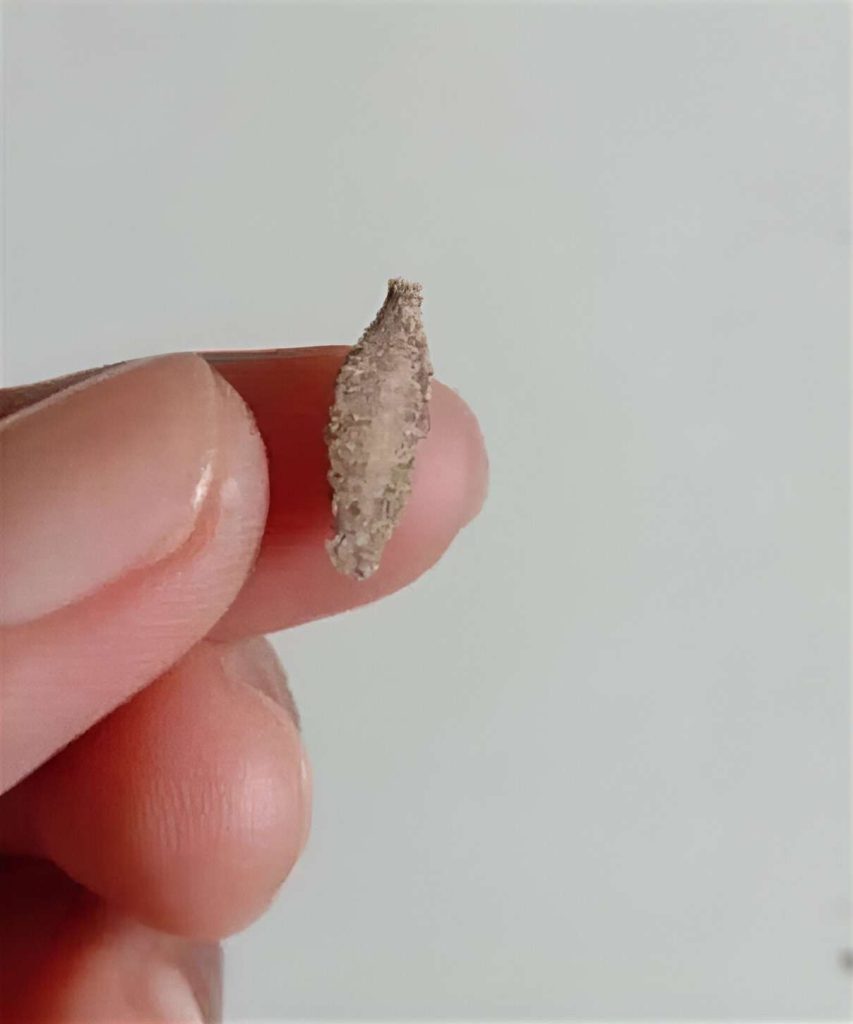
The Kamitetep possesses a compact body and wings featuring intricate patterns specifically designed for camouflage. These patterns mimic the textures and colors of common surfaces like wood grain, concrete, or plaster, allowing the moth to remain virtually invisible while resting. This evolutionary adaptation serves as both a defensive mechanism against predators and a strategic advantage for ambushing prey or conserving energy during daylight hours.
Nocturnal Behavior Patterns 🌙
As a primarily nocturnal species, the Kamitetep conducts most of its activities under the cover of darkness. This behavioral adaptation provides multiple survival benefits, including reduced exposure to daytime predators, optimal environmental conditions for navigation, and access to food sources that may be more available at night. Their nighttime activity follows distinct circadian rhythms that coordinate their feeding, mating, and migratory behaviors with lunar cycles and temperature variations.
Versatile Feeding Habits 🍯
The Kamitetep exhibits remarkable dietary flexibility, feeding on nectar, plant sap, and organic debris depending on environmental availability. This adaptability makes them important contributors to ecosystem functions, serving as secondary pollinators for night-blooming plants and participating in nutrient cycling through the breakdown of organic matter. Their feeding preferences may shift seasonally, reflecting changes in resource availability throughout the year.
Fascinating Facts About This Unique Moth
Scientific Research and Biomimicry Applications 🔍
The Kamitetep's adhesion mechanism has become a subject of intensive scientific study, particularly in fields exploring bioadhesion and biomimetics. Researchers are investigating how these natural adhesion principles might be applied to develop new medical adhesives, climbing robots, and industrial gripping technologies. The efficiency of their attachment system—which provides strong adhesion without residue—represents an ideal model for sustainable technological innovation.
Harmless Human Interactions ☮️
Despite their sometimes startling appearance when discovered indoors, Kamitetep moths pose no threat to humans, pets, or property. They do not bite, sting, or damage household materials, and their presence often indicates a healthy local ecosystem. If you find one indoors, gently guiding it toward an open window is the recommended approach rather than using chemical interventions that might disrupt your indoor air quality.
Advanced Camouflage Strategies 🛡️
The camouflage capabilities of the Kamitetep extend beyond simple color matching. These moths can adjust their body position and wing orientation to minimize shadows and break up their recognizable silhouette. Some species even have textured wing surfaces that physically mimic the roughness of surfaces like tree bark or stucco, creating a three-dimensional disguise that proves highly effective against visual predators like birds and reptiles.
Environmental Indicators 🌍
The presence of Kamitetep moths in an area can serve as a valuable bioindicator of environmental health. Their population dynamics and behavior patterns may reflect changes in local climate conditions, pollution levels, or habitat quality. Monitoring these insects can provide early warnings about ecological shifts that might affect other species in the ecosystem, including humans.
Practical Tips for Coexisting with Kamitetep Moths
If you discover Kamitetep moths in your living spaces, consider these respectful approaches:
• Appreciate their presence as natural pest controllers that help manage other insect populations
• Provide outdoor lighting alternatives that don't disrupt their navigation systems
• Maintain diverse native plantings in your garden to support their natural habitat
• Avoid using pesticides that can harm these beneficial insects and disrupt local ecosystems
Conclusion: Celebrating Nature's Ingenious Adapter
The Kamitetep moth stands as a testament to nature's incredible capacity for specialization and adaptation. 🏆 Its unique wall-clinging ability, sophisticated camouflage, nocturnal habits, and ecological contributions make it a fascinating subject of study and observation. By understanding and appreciating the Kamitetep's behavior and characteristics, we develop a deeper connection to the complex web of life that surrounds us, often in the most unexpected places. These remarkable insects remind us that even the smallest creatures possess extraordinary capabilities worthy of our attention and respect, encouraging us to look more closely at the natural world we share.
```
Leave a Reply