
Mimosa Pudica: Benefits and Medicinal Uses of the Sensitive Plant
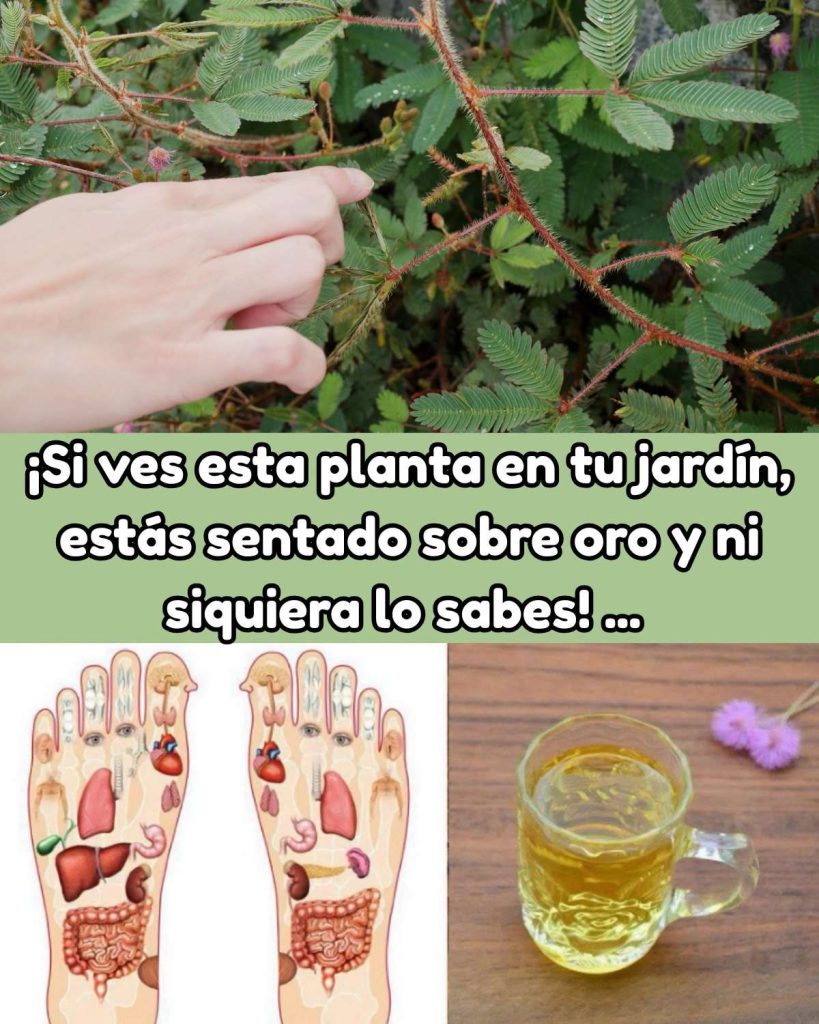
Welcome to the fascinating world of the Mimosa pudica, a plant that is as mysterious as it is beneficial. 🌿 Often called the "sensitive plant," "shameplant," or "touch-me-not," this botanical wonder is renowned for its rapid leaf-folding response to touch, a captivating spectacle of nature. However, its true value lies far beyond this party trick. This article will delve deep into the extensive medicinal properties and practical uses of Mimosa pudica, a true herbal powerhouse with a rich history in traditional medicine. Get ready to discover why this humble plant is considered a cornerstone of natural wellness.
What is Mimosa Pudica?
Native to South and Central America, Mimosa pudica is a perennial herb belonging to the Fabaceae family, which also includes peas and beans. It has since naturalized in tropical and subtropical regions across the globe. The plant typically grows low to the ground, reaching up to one meter in height, and adorns itself with charming, puffball-like pink or lilac flowers. 🌸 Its most famous characteristic, thigmonasty—the rapid closing of its leaves when touched—is a defense mechanism against herbivores. But the real magic is locked within its chemical composition, which includes flavonoids, alkaloids, and other potent compounds responsible for its therapeutic effects.
Key Medicinal Benefits of the Sensitive Plant
The applications of Mimosa pudica in promoting health are both vast and impressive. Its traditional uses are now being validated by modern scientific inquiry, revealing a profile that supports everything from gut health to skin repair.
1. Potent Antibacterial and Antimicrobial Agent 🦠
Research has demonstrated that extracts from Mimosa pudica are effective against a range of pathogenic bacteria and fungi. Studies highlight its efficacy against troublesome strains like Escherichia coli and Staphylococcus aureus, which are common culprits behind food poisoning, skin infections, and UTIs. This makes it a valuable, natural alternative for supporting the body's fight against microbial invaders, both internally and when applied topically to wounds.
2. Powerful Anti-Inflammatory Properties
Inflammation is at the root of many chronic conditions, from arthritis to tendonitis. Mimosa pudica contains active compounds that help reduce inflammation and soothe pain. A poultice made from its leaves can be applied directly to swollen joints or sore muscles to alleviate discomfort and promote mobility, offering a natural approach to managing inflammatory issues.
3. Accelerated Wound Healing and Skin Repair 🩹
One of its most celebrated traditional uses is as a cicatrizant, or wound-healing agent. The plant enhances tissue regeneration and helps close cuts, burns, and abrasions more quickly. Its antimicrobial action also protects the wound from infection. For best results, clean the wound thoroughly before applying a fresh leaf poultice or a cream containing its extract.
4. Deep Digestive Cleanse and Parasite Elimination
This is one of the most significant modern uses for Mimosa pudica. The seeds are particularly rich in a sticky substance called mucilage. In the digestive tract, this mucilage acts like a gentle broom, helping to sweep away toxins, heavy metals, and even intestinal parasites. It can bind to these unwanted guests and facilitate their removal from the body, promoting a cleaner and healthier gut environment. This makes it a popular ingredient in natural detox and parasite cleanse protocols.
5. Calming the Nervous System 😴
In our high-stress world, the gentle sedative qualities of Mimosa pudica are more valuable than ever. It has been used for generations to ease anxiety, quiet a racing mind, and encourage restful sleep. A cup of mimosa tea before bed can be a wonderful ritual to signal to your body and mind that it's time to unwind and recharge.
6. Immune System Support 🛡️
Packed with antioxidants, Mimosa pudica helps neutralize harmful free radicals that cause oxidative stress and can weaken our immune defenses. By incorporating this plant into your wellness routine, you provide your body with tools to strengthen its natural resilience against common illnesses and environmental challenges.
How to Use Mimosa Pudica
Fortunately, harnessing the power of this plant is accessible through several forms:
- Tea/Infusion: Steep dried leaves or roots in hot water for a calming and digestive brew.
- Poultice: Crush fresh leaves into a paste and apply directly to skin irritations, wounds, or inflamed areas.
- Tincture/Liquid Extract: A concentrated form ideal for systemic issues like detoxification and immune support.
- Capsules/Supplements: A convenient and precise way to take mimosa, especially for intestinal cleansing.
Practical Recipe: Relaxing Mimosa Pudica Tea
Here’s a simple way to experience its calming and digestive benefits.
Ingredients:
- 1 teaspoon of dried Mimosa pudica leaves
- 1 cup of hot (not boiling) water
- Raw honey or lemon slice (optional, to taste)
Preparation:
- Pour the hot water over the dried leaves in a cup.
- Cover and let it steep for 8-10 minutes to allow the beneficial compounds to fully infuse.
- Strain the tea, add honey or lemon if desired, and enjoy.
- For optimal results, drink this tea in the evening to promote relaxation or after a heavy meal to aid digestion. ☕
Important Precautions and Contraindications ⚠️
While Mimosa pudica is generally safe, it is powerful. Due to its potent cleansing action and sedative properties, it is crucial to use it wisely. It is not recommended for pregnant or breastfeeding women. Its strong detoxifying effect may interfere with the absorption of prescription medications, so it should be taken several hours apart from any pharmaceutical drugs. As with any new supplement, consult with a healthcare professional before starting, especially if you have pre-existing health conditions.
Conclusion: A True Gem of the Plant Kingdom
Mimosa pudica is far more than just a botanical curiosity; it is a versatile and potent herbal ally. From purifying the gut and healing the skin to calming the nerves and fighting infections, its benefits are rooted in both tradition and emerging science. If you are seeking a multifaceted, natural solution to enhance your well-being, the sensitive plant is undoubtedly a remarkable option worthy of your attention. Embrace the power of nature and consider how this incredible plant could find a place in your health toolkit.
Leave a Reply