
Mimosa Pudica: The Sensitive Plant with Remarkable Healing Properties
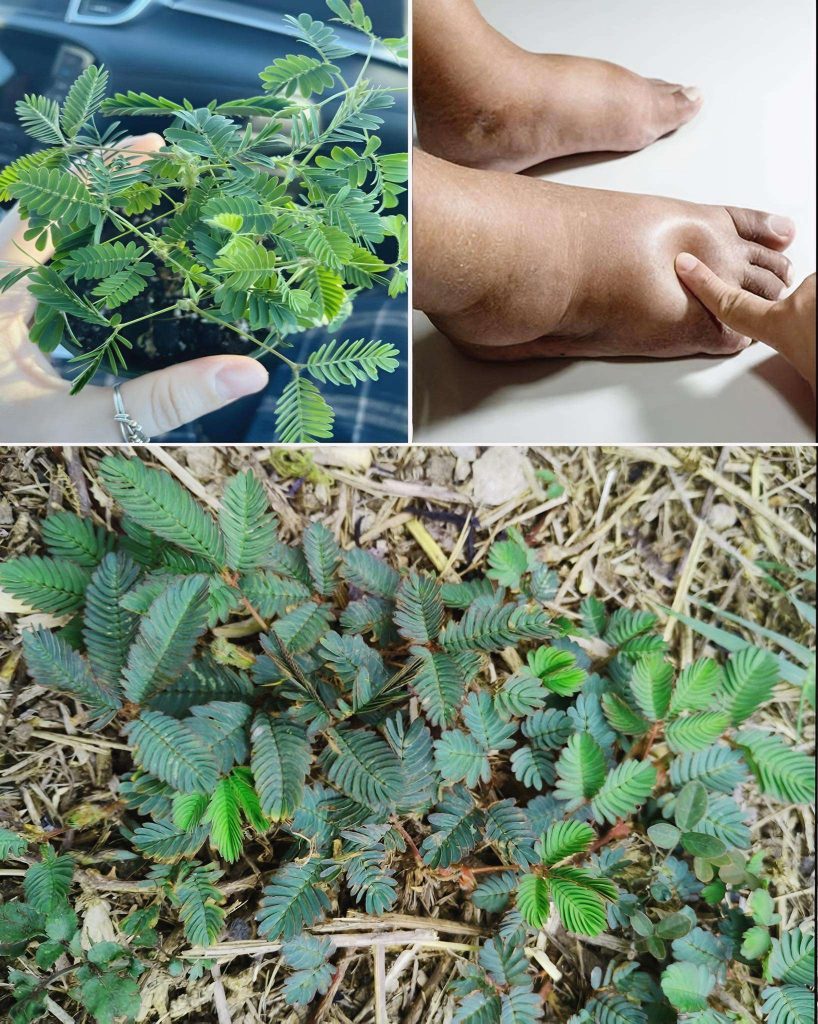
Often admired for its shy nature, the Mimosa pudica, commonly known as the Sensitive Plant or Touch-Me-Not, is a botanical wonder that does more than just fold its leaves when touched. 🌿 This humble plant is a powerhouse of traditional medicine, boasting a rich history of use across various cultures for its remarkable healing properties. Beyond its fascinating movement lies a treasure trove of therapeutic benefits, from soothing inflammation to fighting parasites. In this comprehensive guide, we will explore the science-backed benefits of Mimosa pudica, provide practical recipes for common ailments, and outline essential precautions to ensure its safe and effective use. Get ready to unlock the full potential of this sensitive yet powerful healer.
Medicinal Properties of Mimosa Pudica
The therapeutic power of Mimosa pudica stems from its unique and complex biochemical profile. Its leaves and roots are rich in a variety of active compounds, each contributing to its wide range of health benefits. Understanding these compounds helps us appreciate why this plant has been so valued in herbal medicine for centuries.
- Alkaloids: These naturally occurring compounds act as potent natural analgesics and anti-inflammatories, helping to reduce pain and swelling.
- Flavonoids: Renowned as powerful cellular antioxidants, they combat oxidative stress and protect the body from free radical damage.
- Tannins: Known for their astringent and cicatrizing qualities, they help tighten tissues and promote the healing of wounds.
- Glycosides: These act as mild laxatives that help regulate intestinal transit without causing harsh side effects.
- Mimosine: This unique amino acid is known for its antiparasitic and antibacterial properties, making it effective against intestinal worms and infections.
- Saponins: These compounds are known to stimulate the immune system, enhancing the body's natural defenses.
- Polysaccharides: These complex carbohydrates support cellular regeneration and offer a protective effect on the digestive system.
20 Proven Benefits of Mimosa Pudica
The diverse chemical composition of Mimosa pudica translates into a long list of practical health applications. Here are 20 evidence-backed ways this plant can support your well-being:
- 🚀 Accelerates wound healing.
- ✅ Helps close ulcers and mouth sores.
- 🪱 Eliminates intestinal parasites.
- 🔄 Regulates bowel movements as a mild laxative.
- 🦵 Reduces pain from arthritis and rheumatism.
- 💪 Alleviates muscle and joint inflammation.
- 🧼 Cleanses the skin and combats acne.
- 🩸 Aids in reducing hemorrhoids.
- 😌 Calms the nervous system.
- 😴 Promotes more restful sleep.
- 🦠 Acts as a natural antimicrobial agent.
- ⚖️ Favors hormonal balance.
- 🌸 Can alleviate symptoms of premenstrual syndrome (PMS).
- 🍃 Protects the liver.
- 🤲 Improves digestion.
- 🛡️ Strengthens the immune system.
- 🚫 Prevents urinary tract infections.
- 🦷 Reduces gum inflammation.
- 👄 Refreshes breath and fights oral bacteria.
- 🔻 Reduces heavy menstrual bleeding.
4 Natural Recipes with Mimosa Pudica
Integrating Mimosa pudica into your natural health regimen is simple with these easy-to-follow recipes. Always ensure you are using a clean, reliably sourced plant, preferably organic.
1. Anti-Inflammatory Infusion for Joint and Muscle Pain
Ingredients:
- 1 tablespoon of dried Mimosa pudica leaves
- 1 cup of water
- 1 slice of ginger (optional, for enhanced anti-inflammatory effect)
Preparation: Bring the water to a boil, add the Mimosa leaves (and ginger if using), remove from heat, and let it steep for 10 minutes. Strain before drinking.
Mode of Consumption: Drink 1 cup in the morning and another before bed for 7 consecutive days.
Benefits: This infusion reduces inflammation, alleviates pain, and relaxes the body, making it ideal for chronic conditions like arthritis.
2. Antibacterial and Antiseptic Facial Toner
Ingredients:
- 1 cup of fresh Mimosa pudica leaves
- 2 cups of water
- 5 drops of tea tree essential oil
Preparation: Boil the leaves in the water for 10 minutes. Allow the mixture to cool completely, then strain it. Add the tea tree oil and store in a sterile glass bottle.
Mode of Use: Apply to a clean face using a cotton pad, twice daily (morning and night).
Duration of Use: Use for 15 days straight, then take a one-week break to allow your skin to rest.
Benefits: This toner effectively fights acne, balances the skin's pH, and provides a deep, refreshing cleanse.
3. Healing Paste for Wounds, Bites, and Sores
Ingredients:
- 10 fresh Mimosa pudica leaves
- 1 teaspoon of turmeric powder
- Sterile water (as needed)
Preparation: Crush the fresh leaves with the turmeric powder, adding a small amount of sterile water until a thick paste forms.
Mode of Use: Apply a thin layer of the paste directly onto the cleaned wound or sore. Cover with a sterile gauze. Change the dressing every 8 hours.
Duration of Use: Use until the wound is fully healed, or for a maximum of 7 consecutive days to prevent skin sensitivity.
Benefits: This paste disinfects the area, speeds up cicatrization, prevents infection, and reduces localized pain.
4. Antiparasitic Intestinal Tea
Ingredients:
- 1 teaspoon of dried Mimosa pudica leaves
-
Go up
Leave a Reply