
Nocturnal Leg Cramps: Why They Occur and How to Relieve Them
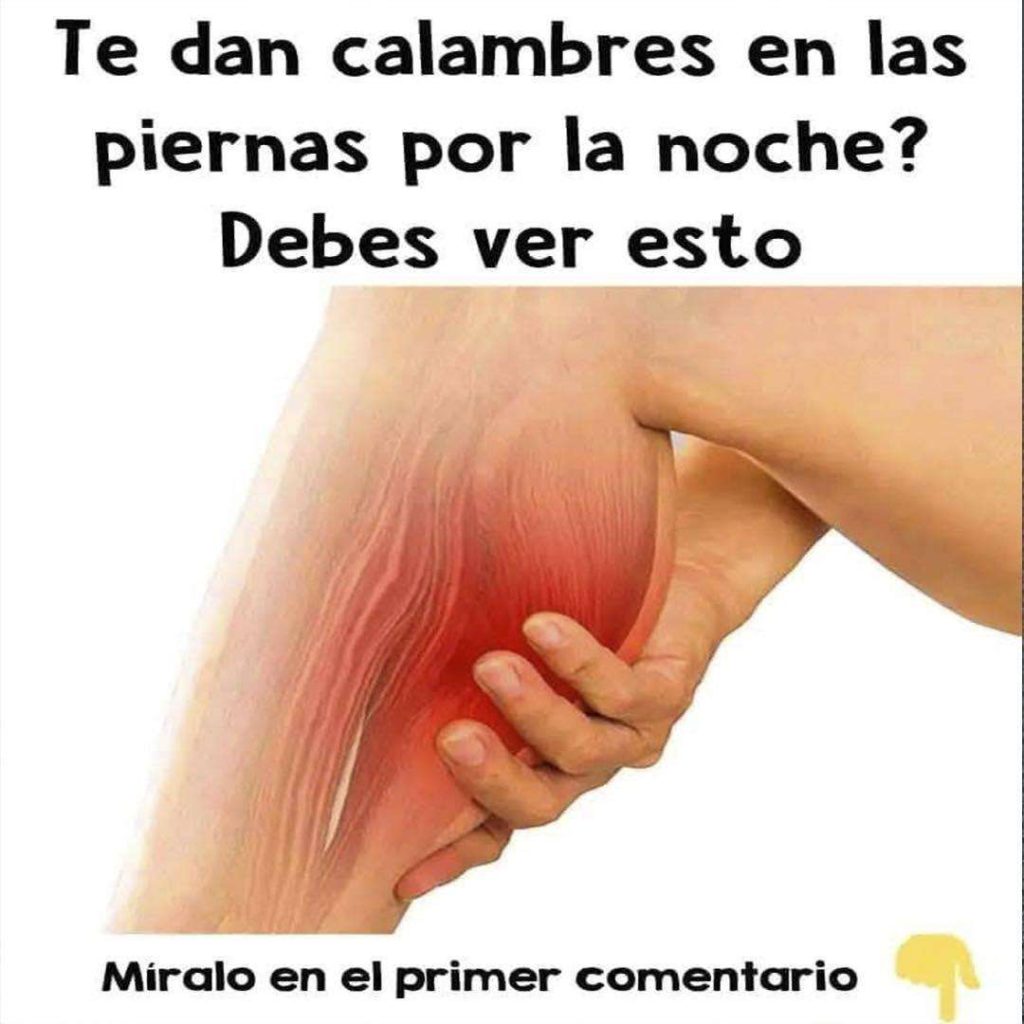
Waking up in the middle of the night with a sudden, painful tightening in your calf or foot is an experience shared by many. These nocturnal leg cramps are more than just a nuisance; they can significantly disrupt your sleep and impact your overall well-being. This article will delve into the primary reasons behind these involuntary muscle spasms and provide you with a comprehensive, actionable guide on how to find relief and prevent them from recurring. 🛌
Understanding the "Why": Root Causes of Nighttime Cramps
To effectively combat nocturnal leg cramps, it's crucial to understand their potential triggers. These spasms are often a signal from your body that something is out of balance. Let's explore the most common culprits:
Dehydration and Electrolyte Imbalance: 💧 One of the most frequent causes is simply not drinking enough fluids. Dehydration can impair muscle function and nerve signaling. Furthermore, crucial minerals like magnesium, potassium, and calcium act as electrolytes that facilitate proper muscle contraction and relaxation. A deficiency in any of these can directly lead to painful spasms.
Muscle Fatigue and Overuse: 🏃♂️ Did you have an unusually intense leg day or spend many hours on your feet? Muscle fatigue from overexertion is a prime trigger. When muscles are tired, they are more susceptible to cramping, especially during the night when the body is at rest.
Underlying Circulation Issues: ❤️ Conditions like Peripheral Artery Disease (PAD) can restrict blood flow to the limbs. This reduced circulation means muscles receive less oxygen and nutrients, making them more prone to cramping. Pay attention if cramps are accompanied by coldness, numbness, or a change in skin color in your legs.
The Role of Age and Lifestyle: 🧓 As we age, our muscle mass naturally decreases, and our tendons can shorten, increasing the likelihood of cramps. A sedentary lifestyle can exacerbate this, as muscles are not being stretched and strengthened regularly.
Other Significant Factors:
Pregnancy: 🤰 The extra weight and hormonal changes, along with potential circulatory and mineral shifts, make leg cramps a common complaint during pregnancy.
Medication Side Effects: 💊 Certain drugs, including some diuretics, statins (for cholesterol), and medications for high blood pressure, can deplete electrolytes or affect muscle function, leading to cramps as a side effect.
Prolonged Inactivity: Sitting or standing in one position for too long can contribute to cramping. This is why they can strike after a long flight or a day at a desk.
Your Action Plan: How to Relieve and Prevent Cramps
Fortunately, you don't have to suffer in silence. Implementing these practical strategies can bring immediate relief during a cramp and help prevent future episodes.
Immediate Relief During a Cramp:
➤ Gentle Stretching: The moment a cramp strikes, gently stretch the affected muscle. For a calf cramp, straighten your leg and pull your toes and the top of your foot toward your shin. Hold until the spasm releases.
➤ Massage and Application of Heat: 🔥 Use your hands to massage the cramped muscle with firm, circular pressure. Applying a warm compress or taking a warm bath can also help to relax the tense muscle and increase blood flow.
Proactive Prevention Strategies:
➤ Hydrate Consistently: 🚰 Don't wait until you're thirsty. Make a conscious effort to drink water and electrolyte-rich fluids throughout the entire day.
➤ Adopt a Nutrient-Rich Diet: 🥑 Focus on incorporating foods high in magnesium (nuts, seeds, leafy greens, dark chocolate), potassium (bananas, avocados, potatoes), and calcium (dairy, fortified plant-based milk, broccoli) into your daily meals.
➤ Establish a Pre-Sleep Stretching Routine: 🧘♀️ Spend 5-10 minutes before bed doing gentle stretches for your calves, hamstrings, and feet. This is one of the most effective preventative measures.
➤ Wear Supportive Footwear: 👟 Avoid shoes that are too tight, have high heels, or offer no arch support, as they can strain your leg muscles throughout the day.
➤ Engage in Regular, Moderate Exercise: 🚶♀️ Regular activity helps maintain muscle strength and flexibility, reducing fatigue and cramping. Low-impact exercises like swimming, cycling, and walking are excellent choices.
When Should You Consult a Healthcare Professional? 🩺
While most leg cramps are harmless, you should not ignore certain red flags. It is highly advisable to consult your doctor if you experience:
Frequent, severe, and intensely painful cramps that regularly wake you from sleep.
Noticeable swelling, redness, or skin changes in the affected leg.
Muscle weakness or atrophy accompanying the cramps.
Cramps that do not improve with self-care and preventative measures.
A medical professional can help rule out more serious underlying conditions, such as nerve compression or circulatory disorders, and provide a tailored treatment plan.
Conclusion: Taking Control of Your Nightly Rest ✨
Nocturnal leg cramps, while common and painful, are often manageable through a combination of smart lifestyle adjustments. By staying hydrated, eating a balanced diet, performing regular stretches, and wearing proper footwear, you can significantly reduce their frequency and intensity. Listen to your body's signals and take proactive steps. A good night's sleep, free from painful interruptions, is within your reach, leading to improved rest and better overall health.
Leave a Reply