
Pain, Rheumatism, Varicose Veins and Arthritis: Natural Remedies and How to Use Them Correctly
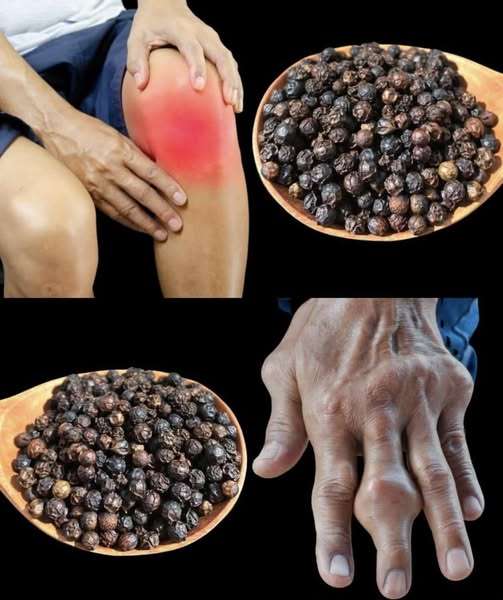
Chronic pain in joints, muscle discomfort, inflamed veins, and conditions like rheumatism and arthritis affect millions of people worldwide 🌍. While these are often managed with conventional medicine, nature also provides a wealth of alternatives that can complement medical treatment and significantly improve one's quality of life. This article delves into natural remedies for these common ailments, offering practical recipes and explaining how to use them correctly and safely. Our goal is to empower you with knowledge, turning to the wisdom of nature for support and relief.
Understanding the Conditions: Rheumatism, Arthritis, and Varicose Veins
To effectively address a problem, it's crucial to understand it. Rheumatism and arthritis are often used interchangeably, but they refer to a range of conditions characterized by inflammation, stiffness, pain, and a progressive loss of mobility in the joints, muscles, and connective tissues. Arthritis, specifically, involves the inflammation of the joints themselves. On the other hand, varicose veins are swollen, twisted veins that you can see just under the surface of the skin, typically in the legs. They result from weakened valves and veins in your legs, causing poor circulation, a heavy sensation, swelling, and aching pain. Fortunately, several natural ingredients possess powerful anti-inflammatory, analgesic, and circulatory-enhancing properties that can offer supportive relief.
Powerful Natural Ingredients and Their Benefits 🍃
Nature's pharmacy is rich with solutions. Here are some of the most effective natural ingredients and the science behind their healing properties:
Turmeric 🟡: The active compound in turmeric, curcumin, is a potent anti-inflammatory agent that can rival some pharmaceutical drugs in its ability to reduce joint inflammation and pain.
Ginger 🍠: Ginger contains gingerols, which have powerful anti-inflammatory and analgesic effects, making it excellent for soothing sore muscles and achy joints.
Rosemary 🌿: This aromatic herb is not just for cooking. When used topically, its essential oils can stimulate blood circulation, providing warmth and relief to stiff joints.
Apple Cider Vinegar 🍎: Rich in potassium and enzymes, it is believed to help alleviate the symptoms of varicose veins by improving blood flow and reducing swelling.
Garlic 🧄: Known for its vasodilatory and anti-inflammatory properties, garlic can help improve circulation and reduce inflammation when applied topically.
Natural Recipes and Their Correct Application
Now, let's put these powerful ingredients to work. Here are detailed, easy-to-follow recipes for creating your own natural remedies at home.
1. Anti-Inflammatory Turmeric and Ginger Infusion
Ingredients:
- 1 fresh ginger slice (approximately 1-inch thick)
- ½ teaspoon of turmeric powder
- 1 cup of water
- (Optional) A pinch of black pepper & a teaspoon of honey to enhance absorption and taste
Preparation: Bring the water to a boil, add the ginger and turmeric, and let it simmer for 10-15 minutes. Strain the mixture into a cup. For maximum benefit, drink one cup daily, preferably on an empty stomach. The black pepper significantly increases the bioavailability of curcumin. This infusion is a powerful internal remedy for reducing systemic inflammation associated with arthritis and rheumatism.
2. Rosemary Infused Oil for Joint Massages
Ingredients:
- ½ cup of extra virgin olive oil or carrier oil of your choice
- 2 tablespoons of dried rosemary (or a handful of fresh sprigs)
Preparation: Combine the oil and rosemary in a clean glass jar. Seal it tightly and place it in a cool, dark place for 7-10 days, shaking it gently every day. After the maceration period, strain the oil to remove the plant material. Apply with gentle, circular massages onto painful joints like knees, elbows, and hands. Massage helps improve absorption and stimulates local blood flow, while the rosemary provides warming relief. 💆♀️
3. Apple Cider Vinegar Compress for Varicose Veins
Ingredients:
- ½ cup of raw, unfiltered apple cider vinegar
- 1 soft cotton cloth or towel
Preparation and Use: Soak the cloth in the apple cider vinegar until it is saturated. Lie down and elevate your legs, then apply the soaked cloth directly to the affected areas on your legs. Leave it on for 15-20 minutes. For best results, repeat this process twice daily. The compress helps to constrict blood vessels and improve circulation, reducing the feeling of heaviness and swelling. 🦵
4. Homemade Garlic and Coconut Oil Cream for Joints
Ingredients:
- 3 fresh garlic cloves, peeled
- 3 tablespoons of coconut oil (solid state is easier to work with)
Preparation: Crush or finely mince the garlic cloves to release their beneficial allicin compound. Mix the crushed garlic thoroughly with the coconut oil until you form a paste. Apply a thin layer to the affected joint before bedtime, cover with a warm cloth to enhance absorption, and leave it on overnight. Wash the area thoroughly in the morning. The combined anti-inflammatory action of garlic and the moisturizing properties of coconut oil can provide significant overnight relief. 😴
Important Precautions and Final Recommendations ⚠️
While these natural remedies can be highly effective, it is absolutely crucial to remember that they are complements, not substitutes, for professional medical advice and treatment. Always consult with your doctor or a qualified healthcare professional before starting any new therapy, especially if you have chronic, advanced conditions, are pregnant, or are taking other medications, as natural ingredients can sometimes cause allergies or interact with drugs.
Conclusion: Empowering Your Health Journey Naturally
Living with chronic pain, rheumatism, varicose veins, or arthritis can be challenging, but you have more control over your well-being than you might think. By integrating these natural, time-tested remedies into a balanced lifestyle that includes a healthy diet and appropriate physical activity, you can take proactive steps toward managing your symptoms and improving your quality of life. Listen to your body, be consistent with the treatments that work for you, and always maintain open communication with your healthcare provider. Here's to your health and a more comfortable, active life! 🌟
Leave a Reply