
Psoriasis: What It Is, Common Causes, and Natural Treatments to Improve Skin
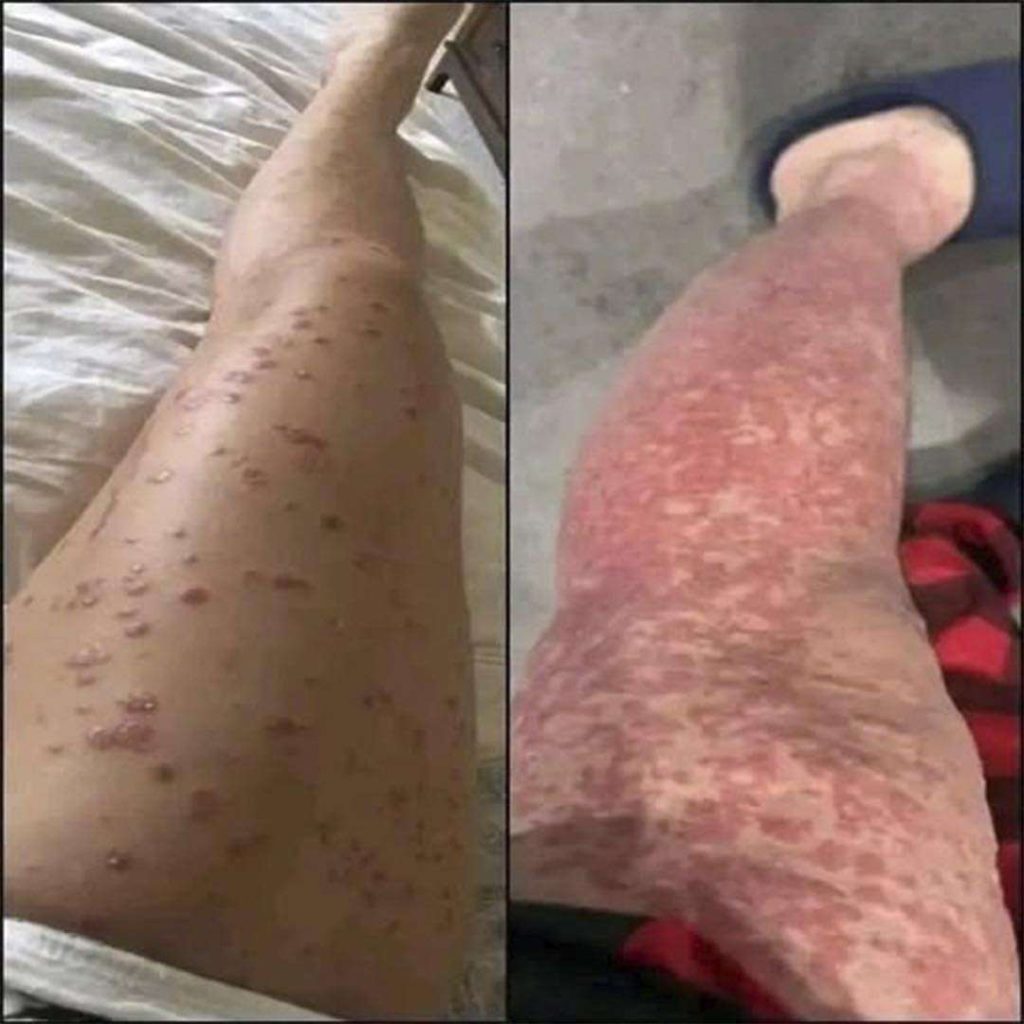
Living with a chronic skin condition can be challenging, but understanding it is the first step toward managing it effectively. 🧠 This article delves into the intricacies of psoriasis, exploring its root causes, common triggers, and a range of natural, supportive treatments that can help you improve your skin's health and your overall quality of life. Let's embark on this journey to clearer, more comfortable skin. ✨
What Exactly Is Psoriasis? 🤔
Psoriasis is far more than a superficial skin issue; it is a chronic autoimmune disorder that causes the skin cell production process to go into overdrive. 🚀 Normally, skin cells grow and shed over the course of a month. In individuals with psoriasis, this cycle is dramatically accelerated to just a few days. This rapid turnover leads to a buildup of cells on the skin's surface, forming raised, red patches covered with silvery-white scales known as plaques. These lesions can appear anywhere on the body but are most commonly found on the elbows, knees, scalp, lower back, and even the nails. The intensity and visibility of these plaques can vary significantly from person to person, with some experiencing mild, occasional flare-ups and others dealing with more persistent and widespread symptoms. Furthermore, psoriasis is associated with a state of systemic inflammation and can be linked to other health conditions, such as psoriatic arthritis, highlighting the importance of a holistic management approach. 🩺
Uncovering the Main Causes and Risk Factors 🔍
While the precise cause of psoriasis remains a subject of ongoing research, scientists have identified a combination of genetic and environmental factors that contribute to its development and exacerbation. Understanding these can empower you to make informed decisions about your health.
- Genetic Predisposition 🧬: Having a close family member with psoriasis significantly increases your risk of developing the condition. Specific genes associated with the immune system are thought to play a key role.
- Emotional Stress 😥: High stress levels are a well-known and powerful trigger for psoriasis flare-ups. The body's stress response can ignite inflammatory pathways, worsening existing plaques or prompting new ones to form.
- Infections and Illnesses 🤒: Common infections, particularly streptococcal throat infections (strep throat), can act as a catalyst for a first episode or a worsening of guttate psoriasis, a type characterized by small, drop-shaped lesions.
- Climate and Weather ❄️: Cold, dry weather is a common adversary for those with psoriasis, as it can sap moisture from the skin, leading to increased dryness, itching, and scaling. Conversely, warm, sunny weather often helps improve symptoms for many.
- Lifestyle Habits 🍷: Unhealthy habits like smoking and excessive alcohol consumption can interfere with treatment efficacy and worsen the severity and frequency of flare-ups. A diet high in processed foods and saturated fats may also contribute to systemic inflammation.
- Skin Trauma 🤕: Known as the Koebner phenomenon, injuries to the skin—such as cuts, scrapes, sunburns, or even vaccinations—can trigger the development of psoriatic lesions at the site of the injury.
Natural Remedies to Soothe and Improve Psoriasis 🌿
While there is no definitive cure for psoriasis, several natural remedies can provide significant relief by calming inflammation, deeply hydrating the skin, and reducing the scaling and itching. These can be excellent supportive measures to use alongside any medical treatments prescribed by your dermatologist.
- Aloe Vera Gel 🌱: The clear gel from the aloe plant is renowned for its soothing, cooling, and anti-inflammatory properties. Applying pure aloe vera gel to psoriatic plaques can help reduce redness and discomfort. Look for products with a high percentage of pure aloe vera for the best results.
- Virgin Coconut Oil 🥥: This natural oil is an exceptional moisturizer. Its fatty acids help repair the skin's barrier, lock in moisture, and reduce the relentless itch associated with psoriasis plaques. Gently massage a small amount onto affected areas after bathing.
- Oatmeal Baths 🛁: Colloidal oatmeal is finely ground oatmeal that disperses evenly in water. Taking a lukewarm bath with colloidal oatmeal can provide immediate relief from itching, burning, and tightness, leaving your skin feeling soft and calm.
- Turmeric 📜: The active compound in turmeric, curcumin, possesses potent anti-inflammatory effects. Incorporating turmeric into your diet (e.g., in curries, teas, or smoothies) or taking a high-quality supplement may help modulate the body's inflammatory response from the inside out.
- Moderate Sun Exposure ☀️: Controlled exposure to natural sunlight can be highly beneficial. Ultraviolet B (UVB) rays in sunlight slow down the rapid growth of skin cells and boost vitamin D production. It is crucial to keep exposure brief and avoid sunburn, which can worsen psoriasis. Always consult your doctor before starting phototherapy.
- Omega-3 Fatty Acids 🐟: Found in fatty fish like salmon and mackerel, as well as in flaxseeds and walnuts, omega-3s are known for their ability to fight inflammation. Increasing your intake through diet or supplements can support overall skin health.
- Dead Sea Salt Baths 🌊: The high mineral content of Dead Sea salts, particularly magnesium, can help remove scales, reduce inflammation, and soothe itching. A warm (not hot) bath with these salts can be a therapeutic ritual.
Conclusion: Embracing a Holistic Path to Management 💚
Managing psoriasis is a continuous journey that extends beyond topical treatments. It involves a commitment to a healthy lifestyle, effective stress management, and a proactive skincare routine. By integrating positive habits—such as a balanced, anti-inflammatory diet, regular exercise, and mindfulness practices—with the supportive natural remedies outlined above, you can significantly improve your skin's appearance and your overall well-being. Remember, consistency is key. 🗝️ Most importantly, always partner with a dermatologist for an accurate diagnosis and a personalized treatment plan tailored to your specific needs. Your journey to healthier skin is within reach. 💫
Leave a Reply