
Red Spots on the Skin: What They Can Mean and When to See a Doctor
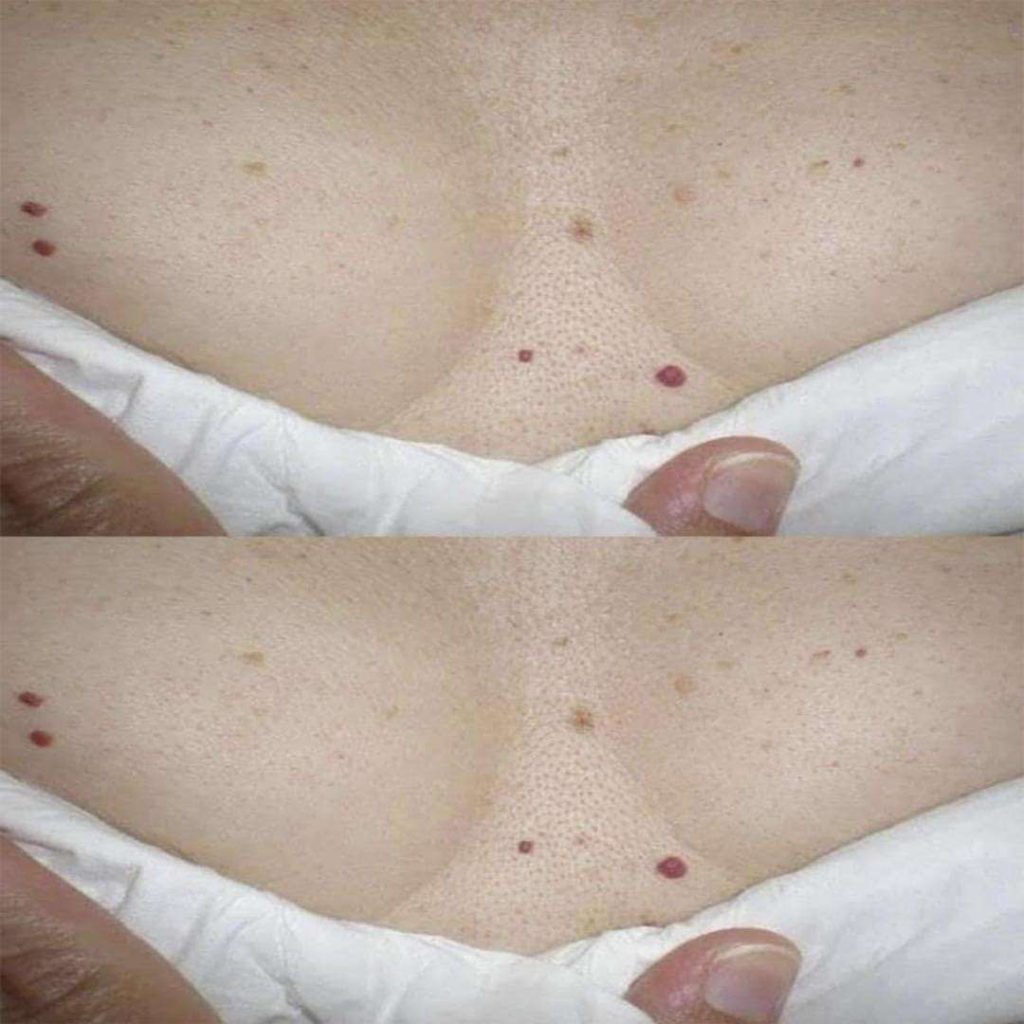
🔍 The appearance of red spots on the skin is a very common reason for consultation and, although in most cases they are harmless, they can sometimes be a sign of conditions that require medical attention. In this article, we will explore the various potential causes, guide you on how to identify different types of spots, and, most importantly, clarify when it is essential to see a specialist. Understanding your skin is the first step towards taking care of it effectively. 🩺
What Are These Red Spots?
Red spots on the skin are small marks or lesions that manifest as areas of red or burgundy color. They can vary significantly in size, shape, and distribution—appearing as isolated dots or in clusters. Their origin is diverse, and they can be related to vascular, inflammatory, infectious, or even genetic causes. It is crucial to observe their evolution: do they change? Do they itch? The answers to these questions are key to a preliminary identification.
Most Common Causes of Red Spots
Let's delve into the most frequent reasons for the appearance of these spots. Knowing their characteristics will help you better understand what you might be dealing with.
1. Angiomas (Cherry Angiomas) 🍒
These are benign formations composed of dilated blood vessels close to the skin's surface.
- They have an intense red color and a perfectly rounded shape.
- They are painless and do not cause discomfort.
- They tend to increase in number with age and are completely harmless from a medical perspective.
- While they do not require treatment, they can be removed for aesthetic reasons using techniques like laser or electrocautery.
2. Petechiae ⚠️
Petechiae are a more serious sign. They are tiny subcutaneous microhemorrhages.
- A key distinguishing feature is that they do not fade or disappear when you press on them with a finger.
- They can be due to infections (such as meningitis), blood clotting disorders, platelet deficiencies, or other hematological diseases.
- It is fundamental to seek immediate medical evaluation if they appear suddenly and spread rapidly, as they can indicate a serious underlying condition.
3. Allergic Reactions 🤧
Some allergies trigger skin rashes in the form of red dots or hives.
- They are usually accompanied by intense itching, redness, or swelling of the affected area.
- They are commonly related to foods, medications, pollen, or chemical substances like detergents or cosmetics.
- Treatment often involves identifying and avoiding the allergen, and may require antihistamine medications to relieve symptoms.
4. Irritations or Dermatitis 🌿
Exposure to aggressive products, constant friction, or certain cosmetics can cause skin inflammation.
- The spots appear in the affected areas and are often accompanied by a burning sensation, dryness, or flaking.
- Common triggers include harsh soaps, rough fabrics, or environmental factors. Using gentle, fragrance-free hygiene products and moisturizers can help prevent and manage this type of reaction.
5. Insect Bites 🦟
Insect bites are a very common cause of red lesions.
- They typically cause red spots with localized inflammation and, often, a central puncture point.
- They are frequent on exposed extremities.
- The itching can be intense and prolonged. It is important to avoid scratching to prevent secondary infections. Topical anti-itch creams and cold compresses can provide relief.
6. Viral Infections 🦠
Many exanthematous diseases (those that cause rashes) manifest with outbreaks of red spots.
- Classic examples are chickenpox, measles, and rubella.
- These spots are usually accompanied by fever, malaise, and other systemic symptoms.
- While more common in childhood, they can also affect unvaccinated or immunocompromised adults. Proper vaccination is the best preventive measure.
Other Potential Causes
Beyond the common causes, red spots can also be related to other factors. For instance, heat rash (miliaria) occurs due to blocked sweat ducts in hot and humid conditions. Keratosis pilaris presents as small, rough, red or white bumps, often on the upper arms and thighs, caused by a buildup of keratin. Furthermore, certain chronic conditions like lupus or psoriasis can manifest with specific types of red lesions. A dermatologist's evaluation is key for these diagnoses.
When Is It Necessary to See a Doctor? 🚨
You should seek medical assistance without delay if you experience any of the following situations:
- The lesions appear abruptly and spread rapidly over the body.
- They persist for several days without showing any improvement.
- You notice changes in their color, size, or texture.
- They are associated with fever, unexplained fatigue, bleeding from other sites, or any other systemic symptom.
- You have a personal history of blood, autoimmune diseases, or are taking anticoagulant medications.
When in doubt, it is always better to err on the side of caution and consult a healthcare professional. A timely diagnosis can be crucial.
Medical Evaluation and Management
The diagnostic approach depends on the type of red spot and the accompanying symptoms. The doctor may perform or request:
- A thorough dermatological examination, sometimes with a dermatoscope.
- Blood tests (complete blood count, coagulation studies) when blood problems or infections are suspected.
- A skin biopsy, in cases of persistent lesions or those with an unusual appearance, to obtain a definitive diagnosis.
Treatment will be entirely directed at the underlying cause:
- Angiomas generally do not require intervention.
- Petechiae and other types of lesions need a specific treatment plan based on their origin.
- Allergic or irritative rashes are managed with topical medications, corticosteroids, or oral antihistamines.
- Infections will require the appropriate antimicrobial or antiviral therapy.
Conclusion and Final Recommendations
In summary, red spots on the skin are not always a sign of a serious illness, but they should never be completely ignored. 🛡️ Observing their characteristics, monitoring their evolution, and paying attention to any accompanying symptoms are essential practices for taking care of your health. While many of these spots are harmless, such as common angiomas, others, like petechiae, can be warning signs of more significant conditions.
Do not self-diagnose or self-medicate. If you notice any sudden changes, experience additional symptoms, or simply have doubts about the origin of a skin spot, the most advisable action is to consult a dermatologist or your primary care physician. A precise and early evaluation will provide you with peace of mind, prevent potential complications, and guide you toward the most appropriate treatment. Your skin's health is an integral part of your overall well-being.
Leave a Reply