
Sleeping Face Down: What You Should Know About Its Effects
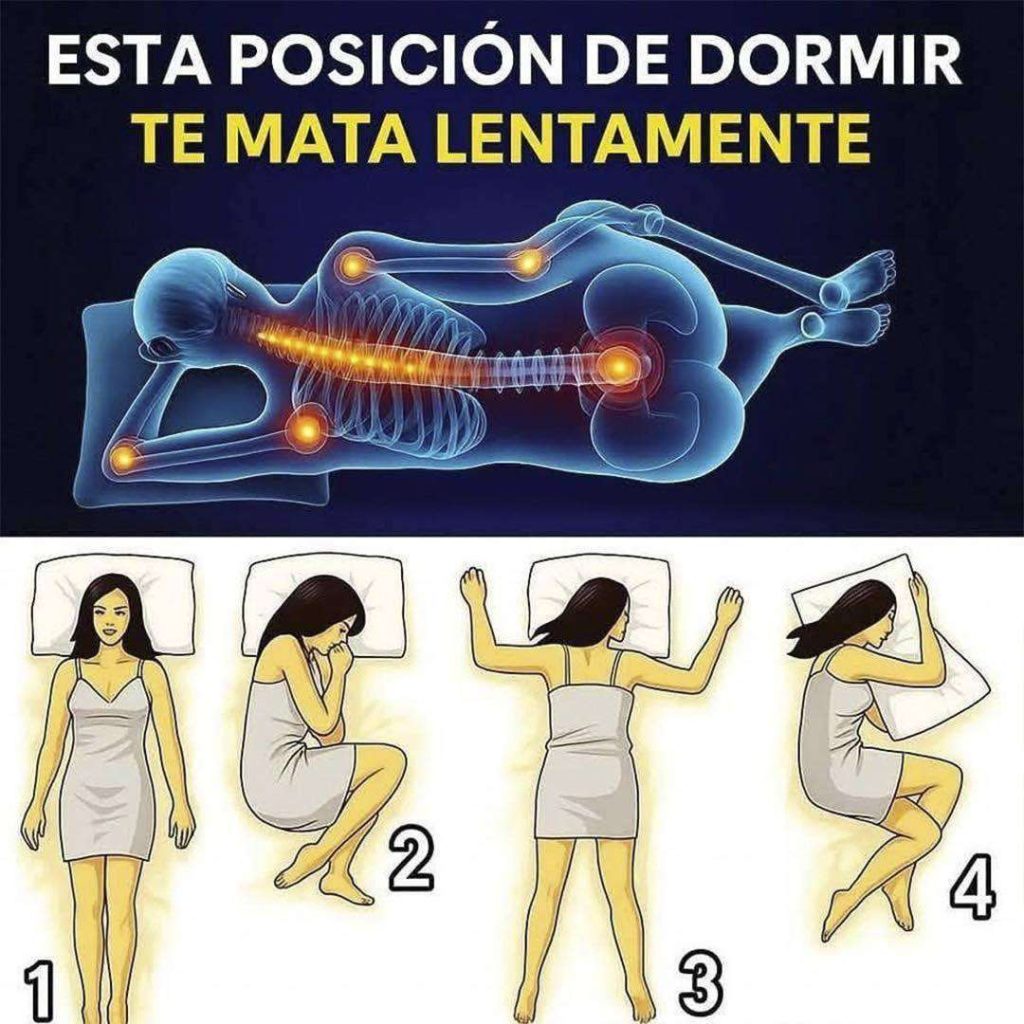
Sleeping face down is a common and comfortable position for many individuals, but it comes with a unique set of benefits and risks that are important to understand. 🌙 Grasping how this posture affects your body can empower you to optimize your rest and prevent potential discomfort. While it might feel natural, this sleeping style has significant implications for your spinal alignment, breathing, and long-term health. This article will provide a comprehensive overview of what you need to know.
The Potential Benefits of Sleeping Face Down
Despite its drawbacks, sleeping face down can offer a few specific advantages for certain people.
🤫 It Can Reduce Snoring: By positioning the body in a way that may help keep the airways more open, this posture can minimize the vibrations of the soft tissues in the throat that cause snoring. This can lead to a quieter night for both you and your partner.
💡 Aids Digestion for Some: In certain cases, the gentle pressure on the abdomen can promote gastric emptying, which might be beneficial for individuals with slow digestion. However, this can be a double-edged sword, as excessive pressure can also cause discomfort.
😌 Enhanced Feeling of Security and Comfort: Many people find this position deeply comforting. The contact with the mattress can create a sense of security and relaxation that makes it easier to fall asleep, which is a crucial component of good sleep hygiene.
Understanding the Risks and Disadvantages
The downsides of prone sleeping are primarily related to spinal health and pressure on the body.
💀 Neck and Back Pain: To breathe, you must turn your head to the side for extended periods. This rotation places sustained strain on the cervical spine and can misalign the entire vertebral column, leading to chronic pain, stiffness, and even pinched nerves.
🧬 Pressure on Internal Organs: The heart and stomach bear the brunt of your body's weight in this position. This compression can potentially hinder optimal organ function and circulation over time, and may contribute to acid reflux.
👵 Skin Health and Wrinkles: The constant friction and pressure of your face against the pillow can break down collagen over time, leading to the formation of sleep lines and wrinkles. It can also clog pores, resulting in acne breakouts.
😮💨 Restricted Breathing: Contrary to the benefit of reduced snoring, the position can sometimes make it harder to take full, deep breaths because the weight on the rib cage can limit lung expansion, especially in individuals with larger body frames.
Optimizing Your Sleep: Practical Tips for Face-Down Sleepers
If you can't imagine switching positions, these adjustments can help mitigate the risks and make your sleep more supportive.
🛌 Use a Thin Pillow or No Pillow: This is crucial for keeping your neck as neutral as possible and reducing the extreme rotation. Consider a very soft, flat pillow or even sleeping without one.
📐 Place a Pillow Under Your Pelvis: Adding a thin pillow beneath your hips and lower abdomen can help prevent your lower back from over-arching, which reduces pressure on the lumbar spine and promotes better alignment.
🔄 Practice Alternating Positions: Make a conscious effort to start the night on your side or back. Training your body to accept new positions can gradually reduce your reliance on sleeping face down.
🛏️ Invest in a Firm Mattress: A supportive, firm mattress will prevent your body from sinking in too deeply, which exacerbates spinal misalignment and pressure point formation. Look for one that provides even support across your entire body.
Exploring Healthier Sleep Alternatives
For a more restorative and anatomically friendly night's sleep, consider these alternatives.
🛌 Side Sleeping: This is often considered the best overall position. To perfect it, sleep on your side with a pillow between your knees. This aligns your hips, pelvis, and spine, preventing twisting and reducing stress on the lower back.
⭐ Back Sleeping: Sleeping on your back is excellent for spinal alignment and distributing weight evenly. To enhance this position, place a pillow under your knees to maintain the natural curve of your lower back and relieve pressure on the lumbar region.
Final Thoughts and Key Takeaways
✨ In conclusion, while sleeping face down can feel comfortable and secure, it carries significant risks for your musculoskeletal health and skin. The good news is that by making strategic adjustments—like using a thin pillow, placing support under your pelvis, and investing in a firm mattress—you can make this position safer. However, for a truly restorative and pain-free sleep experience, transitioning to side or back sleeping is highly recommended. Listen to your body; if you wake up with consistent pain or stiffness, it's a clear signal that your sleep posture needs to change for the sake of your long-term well-being.
Leave a Reply