
Symptoms of High Cholesterol
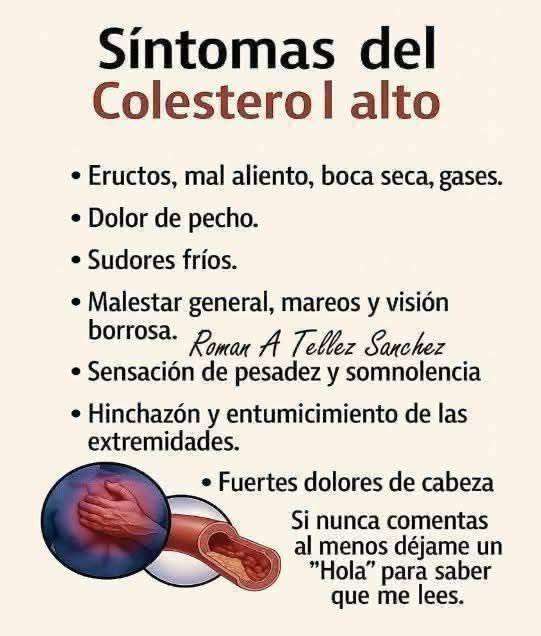
High cholesterol is often called a "silent threat" because it can develop for years without showing any obvious signs. 🚨 Many individuals are completely unaware they have it until a routine blood test or, more alarmingly, a serious health event like a heart attack occurs. This article will guide you through the potential symptoms, both direct and indirect, and underscore the critical importance of proactive management for your long-term health.
The Silent Nature of High Cholesterol
One of the most challenging aspects of high cholesterol is its lack of early warning signals. 🦗 Unlike a common cold or a headache, your body doesn't send clear, immediate alerts. This is because the primary danger lies in the gradual buildup of fatty deposits, known as plaque, within your arteries. This process, called atherosclerosis, narrows the arteries and restricts blood flow, which can eventually lead to severe complications. The absence of symptoms makes regular check-ups and blood tests not just a recommendation, but a necessity.
Indirect Symptoms and Physical Signs
When cholesterol levels remain elevated for a prolonged period, your body may begin to show some indirect signs of distress. These are often related to the cardiovascular strain or the physical manifestation of fat deposits. Pay close attention to the following:
- Chest Pain (Angina) 💔 – This discomfort or pressure can occur when the arteries supplying blood to your heart become narrowed or blocked, depriving the heart muscle of oxygen.
- Fatigue and Shortness of Breath 😮💨 – If your heart isn't receiving enough oxygen-rich blood due to clogged arteries, you may experience unusual tiredness and breathlessness, even during mild physical activity.
- Xanthomas – These are soft, yellowish fatty deposits that develop under the skin, frequently appearing on elbows, knees, buttocks, and tendons.
- Xanthelasmas 👁️ – These are specific, slightly raised, yellow-colored patches of cholesterol found around the eyelids.
- Arcus Cornealis – A gray or white ring that appears around the cornea of the eye. While sometimes seen in older adults, its appearance in people under 40 can be a strong indicator of high cholesterol levels.
- Poor Circulation – This can manifest as pain, numbness, or a cold feeling in your legs and feet, especially when walking (a condition known as claudication). This is a sign of peripheral artery disease.
Serious Risks of Untreated High Cholesterol
Ignoring high cholesterol can have devastating consequences. The ongoing accumulation of plaque significantly increases your risk for life-threatening conditions. The most critical risks include:
- Heart Attack (Myocardial Infarction) ❤️🩺 – This occurs when a coronary artery becomes completely blocked, stopping blood flow to a part of the heart muscle.
- Stroke (Cerebrovascular Accident) 🧠 – A stroke can happen when a blood clot blocks an artery leading to the brain, or when a blood vessel in the brain bursts, often as a result of underlying damage from high blood pressure and atherosclerosis.
- Peripheral Artery Disease (PAD) – This is a common circulatory problem where narrowed arteries reduce blood flow to your limbs, typically the legs.
Proactive Detection and Management
The only reliable way to know your cholesterol levels is through a blood test called a lipid profile. 🩺 This simple test measures your total cholesterol, LDL ("bad" cholesterol), HDL ("good" cholesterol), and triglycerides. Health experts recommend that healthy adults get this test every 4 to 6 years. However, if you have risk factors such as obesity, high blood pressure, diabetes, a history of smoking, or a family history of heart disease, you should be tested more frequently. Do not wait for symptoms to appear; prevention is the most powerful medicine. 🛡️
Conclusion: Take Control of Your Heart Health
In summary, high cholesterol is a stealthy condition that often presents no clear symptoms until significant damage has occurred. 🎯 Being aware of the indirect signs—like chest pain, unusual fatigue, skin deposits, and eye changes—is crucial. However, relying on symptoms is not enough. Committing to regular health screenings and adopting a heart-healthy lifestyle are the most effective steps you can take. A balanced diet rich in fiber and low in saturated fats, regular physical activity, and maintaining a healthy weight are your best defenses against the dangers of high cholesterol. Your heart health is in your hands—be proactive about protecting it. 💪
Leave a Reply