
The 6 Types of Women Who Age Rapidly and How to Counteract It
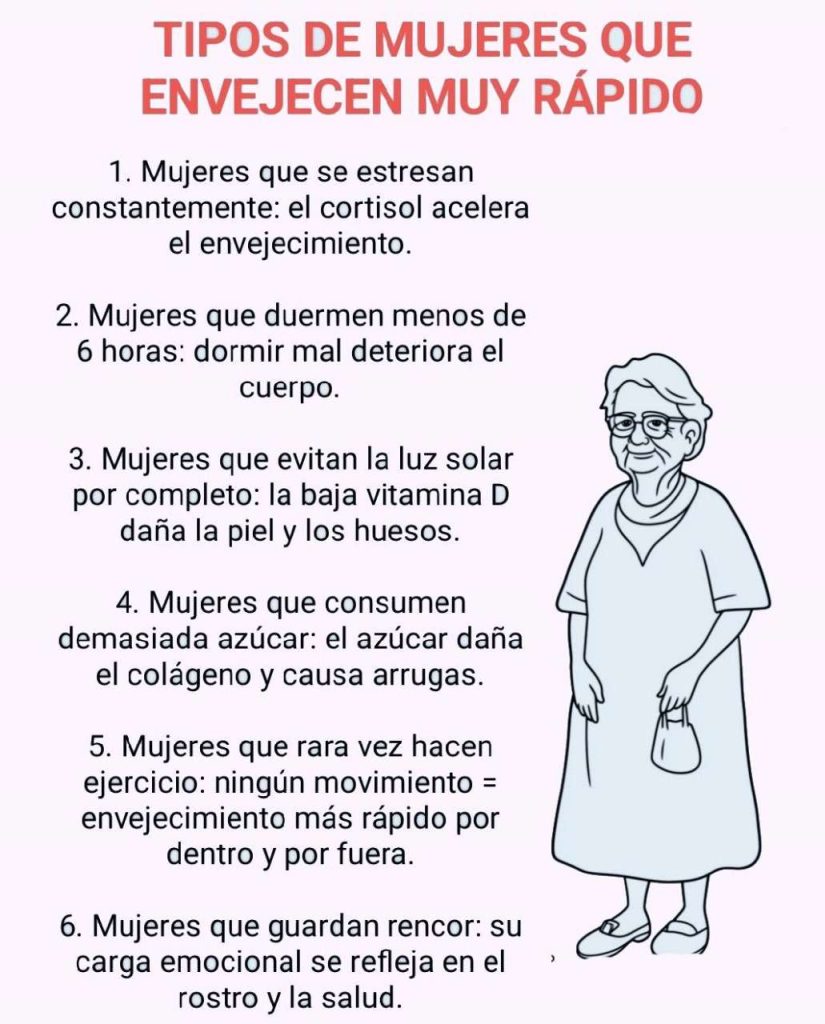
Aging is an inevitable and natural journey we all embark on, yet certain lifestyle factors can significantly accelerate this process, particularly for women. While genetics play a role, our daily habits and emotional well-being are powerful contributors to how quickly we show signs of aging. In this article, we will identify The 6 Types of Women Who Age Rapidly and provide a comprehensive, actionable guide on how to counteract these effects. By understanding the underlying causes and implementing positive changes, you can take control of your health, enhance your well-being, and maintain a vibrant, youthful appearance for years to come. Let's explore these common pitfalls and the empowering solutions for each. 🌟
1. The Chronically Stressed Woman: The #1 Enemy
Constant, unmanaged stress is a primary driver of accelerated aging. When you're perpetually stressed, your body releases high levels of the hormone cortisol. While cortisol is essential for managing short-term crises, chronically elevated levels can wreak havoc on your body. It breaks down collagen—the protein that keeps skin firm and elastic—leading to the premature formation of wrinkles and fine lines. Furthermore, stress places your body in a constant state of "fight or flight," which can disrupt digestion, impair sleep quality, and weaken your immune system, all of which contribute to an overall aged appearance.
To combat this, it's crucial to integrate stress-reducing practices into your daily routine. Activities like yoga, meditation, deep-breathing exercises, or even mindful walks in nature can dramatically lower cortisol levels. Don't underestimate the power of hobbies; dedicating time to activities you are passionate about provides a mental escape and is a fantastic relief for accumulated tension. Remember, managing stress isn't a luxury—it's a necessity for preserving your youth. 🧘♀️
2. The Sleep-Deprived Woman: A Danger to Health and Beauty
Consistently sleeping less than six hours per night is a dangerous habit that goes far beyond just feeling tired. Sleep is your body's prime time for repair and regeneration. During deep sleep, human growth hormone is released, which helps repair damaged cells and build new tissue. A lack of quality sleep disrupts this vital process, leading to a dull complexion, dark circles under the eyes, and a loss of skin elasticity. It also increases inflammation in the body, which is linked to virtually every major age-related disease.
Establishing a consistent and relaxing sleep routine is non-negotiable. Create a sanctuary for sleep: ensure your room is dark, cool, and quiet. Avoid blue light from electronic devices for at least an hour before bed, as it suppresses melatonin, the sleep hormone. Aim for a solid 7 to 9 hours of uninterrupted sleep each night to wake up refreshed, with your skin looking radiant and your body fully restored. 😴
3. The Sun-Avoiding Woman: The Impact of Vitamin D Deficiency
While excessive sun exposure is rightly linked to skin damage, completely shunning the sun creates another set of problems. Sunlight is our most natural and efficient source of Vitamin D, a crucial nutrient often called the "sunshine vitamin." Vitamin D is vital for calcium absorption and bone health, but its benefits extend to your skin as well. A deficiency can result in a lackluster complexion, and has been linked to fatigue and low mood, which can reflect on your overall appearance.
The key is safe and moderate sun exposure. Just 10 to 15 minutes of direct sunlight on your arms and legs, a few times a week, is often sufficient for your body to produce the Vitamin D it needs. Always avoid the peak intensity hours of 10 a.m. to 2 p.m. for prolonged periods. If you live in a climate with little sun, consider incorporating Vitamin D-rich foods like fatty fish, eggs, and fortified milk into your diet, or discuss a supplement with your doctor. Finding this balance is essential for both internal health and external glow. ☀️
4. The High-Sugar Consumer: A Silent Enemy
A diet high in sugar is one of the most insidious enemies of youthful skin. Through a process called glycation, excess sugar molecules in your bloodstream attach to proteins like collagen and elastin. This process creates harmful new molecules called Advanced Glycation End Products (AGEs), which make these structural proteins stiff, brittle, and unable to perform their function. The result is a loss of skin firmness, the deepening of wrinkles, and a generally sallow, less resilient complexion.
To protect your skin from the inside out, it is fundamental to drastically reduce your intake of sugary foods and beverages. This includes not just desserts but also hidden sugars in processed foods, sauces, and sodas. Instead, opt for a diet rich in antioxidants from colorful fruits, leafy green vegetables, and whole grains. These foods combat the oxidative stress that contributes to aging. Staying well-hydrated with plenty of water also helps flush out toxins and keeps your skin plump and hydrated. 🍓
5. The Physically Inactive Woman: The Importance of Movement
A sedentary lifestyle is a direct contributor to premature aging. Regular physical activity is a cornerstone of health, with profound benefits for both your body and mind. Exercise boosts circulation, delivering oxygen and nutrients to your skin cells more effectively, which gives you a healthy, post-workout glow. It also helps manage stress, supports a healthy metabolism, and maintains muscle mass, which naturally declines with age, helping you stay strong and toned.
You don't need to become a marathon runner. The goal is to incorporate at least 150 minutes of moderate-intensity exercise per week. Find activities you genuinely enjoy, whether it's brisk walking, dancing, cycling, or swimming. Consistency is more important than intensity. Making movement a joyful part of your daily routine is one of the most effective ways to keep your body, mind, and skin youthful and vibrant. 💃
6. The Grudge-Holding Woman: The Heavy Emotional Burden
Holding onto resentment, anger, and past hurts is an emotional burden that manifests physically. These negative emotions create a constant, low-grade stress response in your body, flooding it with cortisol and adrenaline. Over time, this internal turmoil can etch itself onto your face in the form of frown lines, a tense jaw, and a tired expression. Letting go of grudges is not about condoning others' actions; it's about freeing yourself from the toxic weight that ages you.
Cultivating emotional health is as important as physical health. Practices like journaling, practicing gratitude, and mindfulness meditation can help you process and release negative emotions. Don't hesitate to seek support from a trusted friend or a professional therapist. Learning to forgive and focus on the positive aspects of your life will have a transformative impact on your emotional well-being and, consequently, your physical appearance. ❤️
Conclusion: Your Blueprint for Graceful Aging
Aging is a natural process, but how we age is significantly influenced by our choices. By recognizing these six profiles—The Chronically Stressed, The Sleep-Deprived, The Sun-Avoiding, The High-Sugar Consumer, The Physically Inactive, and The Grudge-Holding Woman—you can identify areas for positive change in your own life. The path to counteracting rapid aging isn't about a single miracle solution but about adopting a holistic approach to your well-being.
Start by integrating these practical habits: manage your stress, prioritize sleep, enjoy safe sun exposure, reduce sugar, stay active, and release emotional baggage. Each positive step you take is an investment in your long-term health and radiance. Embrace these changes not as restrictions, but as acts of self-care that empower you to live fully and vibrantly through every stage of life. Your journey to graceful aging starts today! ✨
Leave a Reply