
The Hidden Truth About Lard: Myths and Real Benefits
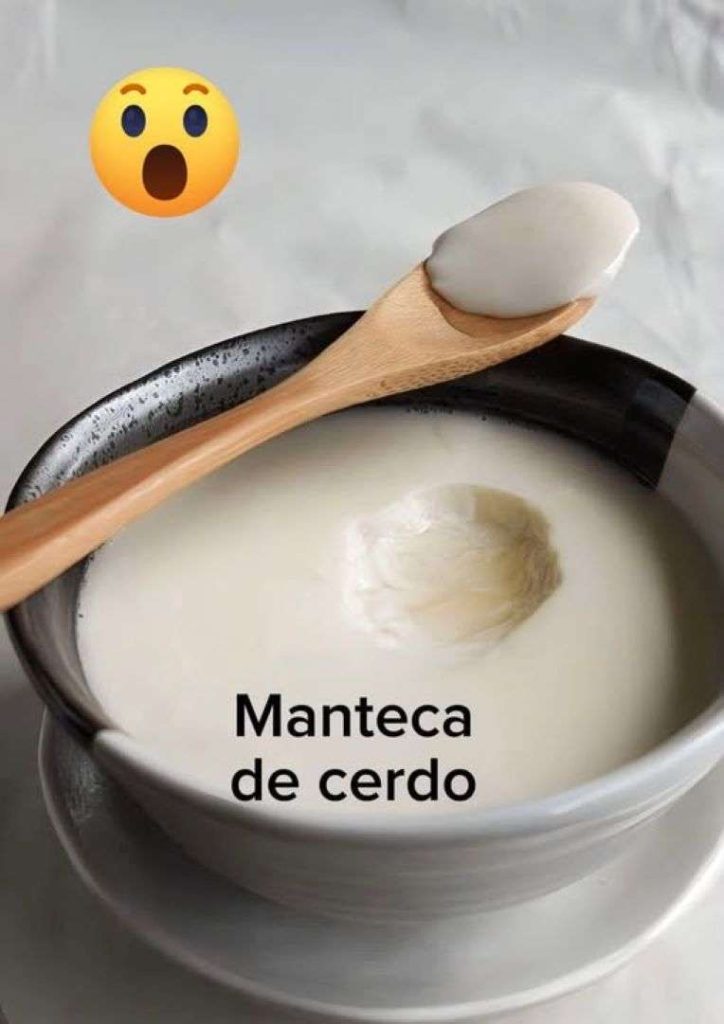
For decades, lard has been one of the most misunderstood and controversial ingredients in the culinary and nutrition world. 🥘 On one hand, it's hailed as a traditional superfood by seasoned chefs and health enthusiasts. On the other, it's often demonized as an artery-clogging villain. It's time to set the record straight. This article will peel back the layers of misconception, diving deep into the science and tradition behind lard to reveal its real health benefits and showcase its incredible versatility in creating delicious, wholesome recipes. Prepare to rediscover this ancient kitchen staple in a whole new light.
What Exactly is Lard? A Closer Look
Lard is simply rendered pork fat, obtained from the adipose tissue of pigs. 🐖 This process of rendering—slowly melting and purifying the fat—has been a cornerstone of traditional cooking across countless cultures, from European bakeries to Mexican kitchens. Unlike many highly processed modern fats, traditionally rendered lard is a pure, simple ingredient. One of its most prized culinary attributes is its high smoke point, typically around 370°F (188°C), which makes it exceptionally stable and ideal for high-heat cooking methods like frying and sautéing without breaking down into harmful compounds. Its unique fat composition also gives it an unparalleled ability to create incredibly flaky, tender pastry.
Debunking Common Myths About Lard 🚫
Lard's bad reputation is largely built on outdated science and pervasive myths. Let's tackle the most common ones head-on:
Myth 1: Lard Causes Heart Disease. This is perhaps the biggest misconception. For years, all saturated fats were wrongly grouped together and blamed for cardiovascular issues. However, modern research reveals a more nuanced picture. Lard is actually higher in monounsaturated fats—the same heart-healthy fat found in olive oil—than it is in saturated fat. Furthermore, recent studies have not found a conclusive link between moderate consumption of unprocessed animal fats and heart disease, especially when they replace refined carbohydrates and sugars in the diet.
Myth 2: Lard is Unhealthy Compared to Vegetable Oils. While marketed as healthy, many industrial seed and vegetable oils (like corn, soybean, and canola) are highly processed, often using chemicals and high heat. This processing can create inflammatory trans fats and free radicals. In contrast, minimally processed lard is a natural, whole-food fat. The key is the source—opt for pasture-raised lard from trusted butchers, as the pig's diet significantly impacts the fat's nutrient profile.
The Real and Surprising Health Benefits of Lard ✨
When sourced responsibly and consumed in moderation, lard offers a remarkable array of nutritional benefits:
Rich in Beneficial Fatty Acids: As mentioned, lard is packed with monounsaturated oleic acid, which supports healthy cholesterol levels and reduces inflammation. It also contains a stable form of saturated fat that serves as a clean energy source for the body.
Packed with Fat-Soluble Vitamins: Lard is a fantastic source of vitamin D, a crucial nutrient that many people are deficient in, which is essential for bone health and immune function. It also contains vitamin E, a powerful antioxidant, and vitamin K2, which plays a critical role in directing calcium to your bones and teeth and away from your arteries. 🦴
Supports a Robust Immune System: The healthy fats and cholesterol in lard are fundamental building blocks for our cell membranes and hormones. Adequate intake of healthy fats is necessary for the proper function of our immune cells, and the anti-inflammatory properties of oleic acid can further contribute to a well-regulated immune response.
How to Incorporate Lard into a Healthy Diet 🍳
Ready to give lard a try? Here are some practical and delicious ways to integrate it into your cooking routine:
For Frying and Sautéing: Thanks to its high smoke point, lard is perfect for creating crispy fried chicken, golden-brown potatoes, or stir-fried vegetables. It doesn't impart an overly "porky" flavor to neutral foods, but instead adds a subtle, savory richness that elevates the entire dish.
For Baking and Pastry: This is where lard truly shines. Using lard in pie crusts, biscuits, and tortillas results in a texture that is unbeatably flaky and tender. Professional bakers have known this secret for generations. For the ultimate pastry, try a 50/50 blend of lard and butter to combine lard's flakiness with butter's flavor. 🥧
As a Flavorful Substitute: Don't be afraid to use lard anywhere you'd use butter or oil. Roast your vegetables in it, use it to grease your baking pans, or sauté your aromatics in it for soups and stews. It will add a depth of flavor that other fats simply can't match.
Beyond the Kitchen: Other Uses for Lard
Lard's utility isn't confined to the stove. For centuries, it has been a staple in natural home apothecaries. It can be used as a base for soothing salves and balms to help moisturize dry skin, calm minor burns, or relieve chapped lips. Its composition is similar to human skin oils, allowing it to be absorbed well. Always perform a patch test on a small area of skin before applying it more broadly to ensure you don't have a sensitivity. 🌿
Final Considerations and Key Takeaways
Like any fat, lard is calorie-dense, so moderation is key. The most significant factor in its health profile is quality. Prioritize lard from pasture-raised pigs, as it will have a superior nutrient content, including higher levels of Vitamin D. Avoid the hydrogenated lard sold in some supermarkets, as it contains unhealthy trans fats.
By understanding the truth behind lard, you can make an informed decision to embrace this traditional fat. It's not a magical cure-all, but it is a versatile, nutritious, and flavorful ingredient that deserves a place in a balanced, whole-foods diet.
Conclusion: Embrace the Lard Renaissance
The era of demonizing lard is over. 🎉 We now have the science and the culinary wisdom to appreciate it for what it truly is: a natural, nutrient-dense fat that can contribute to both robust health and exceptional cooking. It's a sustainable choice that honors traditional foodways and offers a superior alternative to many processed modern fats. So, be bold, be curious, and let go of the outdated fears. Welcome lard back into your kitchen and discover the delicious, flaky, and wholesome benefits of this timeless ingredient.
Leave a Reply