Thrombosis: What It Is, Symptoms, and How to Prevent It
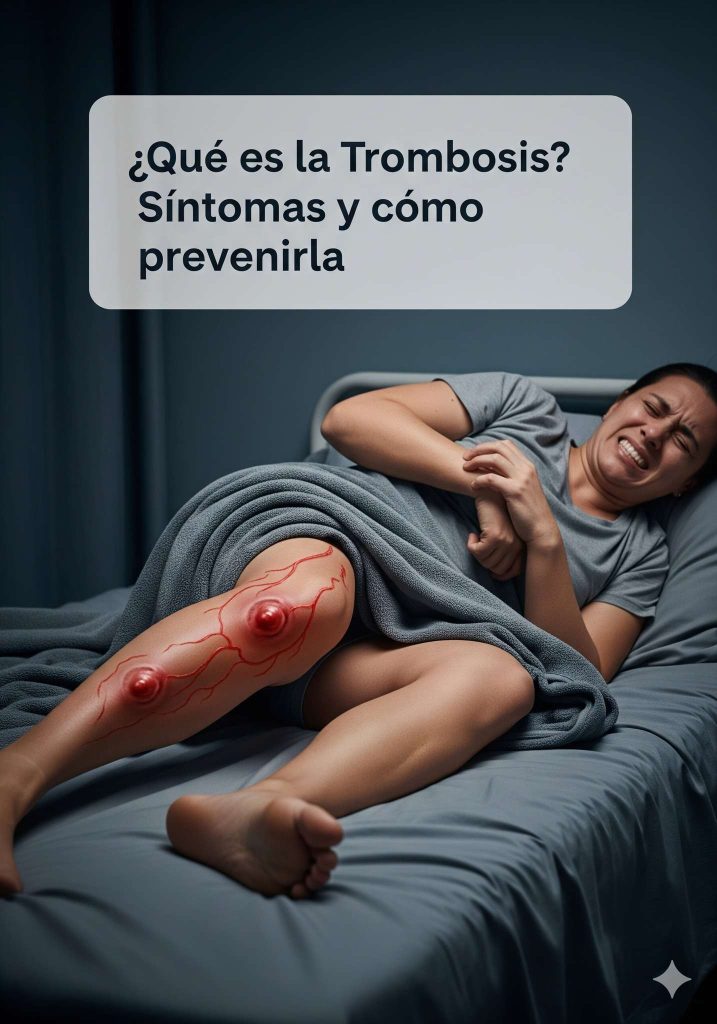
Thrombosis: What It Is, Symptoms, and How to Prevent It
🩸 Welcome to our comprehensive guide on thrombosis, a serious medical condition that demands our attention. At its core, thrombosis is the formation of a blood clot, known as a thrombus, inside a blood vessel—be it a vein or an artery. This clot acts as a physical barrier, obstructing the normal, life-sustaining flow of blood. Depending on its location and size, a thrombus can lead to severe, life-threatening complications. This article will serve as your essential resource, providing a clear understanding of what thrombosis is, how to recognize its warning signs, and the proactive, natural steps you can integrate into your lifestyle to significantly reduce your risk. Let's empower you with knowledge for better vascular health.
What Exactly is Thrombosis? 🧐
Thrombosis is more than just a "clot"; it's a complex process where the body's natural and vital clotting mechanism is triggered inappropriately. Normally, clotting is a beneficial process that prevents excessive bleeding when you're injured. However, when a clot forms unnecessarily inside an intact vessel, it becomes a dangerous medical issue. The primary danger lies in the clot either growing large enough to completely block a crucial vessel or, perhaps even more perilously, breaking loose and traveling through the bloodstream to cause a blockage elsewhere—a catastrophic event known as an embolism.
Main Types of Thrombosis: Know the Difference
Understanding the two main categories of thrombosis is critical, as they affect the body differently and have distinct implications.
1. Deep Vein Thrombosis (DVT) 🦵
This type occurs when a blood clot forms in one of the deep veins of your body, most commonly in the legs. The immediate danger of a DVT is not just the localized pain and swelling, but the potential for a piece of the clot to break off. This fragment, called an embolus, can travel up to the lungs and get lodged there, causing a pulmonary embolism—a medical emergency that can be fatal if not treated immediately.
2. Arterial Thrombosis 🫀
This involves the formation of a clot within an artery. Arteries are the vessels responsible for carrying oxygen-rich blood away from the heart to the rest of your body. When an arterial clot blocks the flow, it starves tissues of oxygen, leading to rapid and severe damage. This is the underlying cause of most heart attacks and ischemic strokes, making arterial thrombosis a leading cause of disability and death worldwide.
Recognizing the Symptoms: A Crucial Step
Early recognition of thrombosis symptoms can save lives. The signs vary significantly depending on whether the clot is in a vein or an artery.
Symptoms of Deep Vein Thrombosis (DVT):
• Pain or tenderness: Often starts in the calf and can feel like a cramp or soreness.
• Swelling: Noticeable swelling in one leg, ankle, or foot. 🤕
• Warmth and Redness: The skin around the painful area may feel warm to the touch and appear red or discolored.
Symptoms of Arterial Thrombosis:
These are sudden and severe, requiring IMMEDIATE medical attention:
• Heart (Heart Attack): Chest pain or pressure, pain radiating to the arm, jaw, or back, shortness of breath, nausea, and cold sweats.
• Brain (Stroke): Sudden confusion, trouble speaking or understanding speech, facial drooping, weakness or numbness in the face, arm, or leg (especially on one side), and vision problems. 🚨
• General: Sudden, severe dizziness or loss of consciousness.
Natural Remedies and Proactive Prevention Strategies 🌿
IMPORTANT DISCLAIMER: The following strategies are excellent for prevention and supporting overall cardiovascular health. They are NOT a substitute for professional medical diagnosis or treatment, especially if you have a high risk or a previous history of clots.
1. Embrace Regular Physical Activity 🚶♀️🚴♂️
A sedentary lifestyle is a major risk factor. Movement is the pump that keeps blood circulating. Aim for at least 30 minutes of moderate exercise most days. Activities like walking, swimming, cycling, and yoga are fantastic for improving circulation and preventing blood from pooling in your legs.
2. Prioritize Consistent Hydration 💧
When you are dehydrated, your blood becomes thicker and more viscous, which increases its tendency to clot. Make a conscious effort to drink plenty of water throughout the day, not just when you feel thirsty.
3. Adopt an Anti-Inflammatory, Blood-Thinning Diet
Your diet is one of your most powerful tools. Focus on incorporating these natural anticoagulants and anti-inflammatory foods:
• Garlic: Contains allicin and other compounds that help reduce platelet aggregation, preventing clots from forming easily.
• Ginger & Turmeric: Ginger is a natural anti-inflammatory, while the curcumin in turmeric is a potent anticoagulant. Pro Tip: Always combine turmeric with a pinch of black pepper to dramatically enhance curcumin absorption.
• Omega-3 Fatty Acids: Found in abundance in fatty fish (salmon, mackerel), flaxseeds, chia seeds, and walnuts. Omega-3s help reduce inflammation and make platelets less "sticky."
• Antioxidant-Rich Fruits & Vegetables: Berries (blueberries, strawberries), citrus fruits, leafy greens (spinach, kale), and tomatoes are packed with vitamins and flavonoids that support healthy blood vessels and reduce oxidative stress.
4. Combat Prolonged Sedentary Behavior
If you have a desk job or are taking a long flight, make it a rule to get up, stretch, and walk around for a few minutes every hour. Simple calf raises and ankle rotations while seated can also stimulate blood flow in your legs. ✈️
5. Eliminate Key Risk Factors: Smoking & Excessive Alcohol 🚭🍷
Smoking damages the lining of your blood vessels and makes your blood more prone to clotting. Excessive alcohol consumption can lead to dehydration and atrial fibrillation, both of which increase thrombosis risk. Quitting smoking and moderating alcohol intake are two of the most impactful decisions you can make for your vascular health.
6. Consider Compression Stockings (If Needed)
For individuals with a predisposition to DVT (e.g., after surgery, during pregnancy, or with varicose veins), graduated compression stockings can be a great help. They apply gentle pressure to your legs, promoting venous return and preventing swelling and stasis.
When to Seek Immediate Medical Attention 🚑
Do not hesitate to seek emergency care if you or someone else experiences:
• Sudden, unexplained swelling, pain, or redness in a limb.
• Sharp chest pain, difficulty breathing, or coughing up blood (signs of a potential pulmonary embolism).
• Any symptoms of a stroke or heart attack, as mentioned above.
This is especially crucial if you have additional risk factors like a family history, ongoing hormonal treatment, cancer, or recent major surgery.
Conclusion: Empowerment Through Proactive Health
Thrombosis is a formidable condition, but it is not an inevitability. By understanding its nature and symptoms, you are already one step ahead. The power to significantly reduce your risk lies in a combination of informed lifestyle choices: staying active, eating a heart-healthy diet, remaining hydrated, and avoiding prolonged stillness. View these not as restrictions, but as empowering actions for your long-term well-being. Always partner with your healthcare provider for personalized advice, and never ignore warning signs. Your vascular health is a lifelong journey—start taking proactive steps today. ❤️
Leave a Reply