
Visible Veins: Natural Causes and Remedies to Improve Your Health
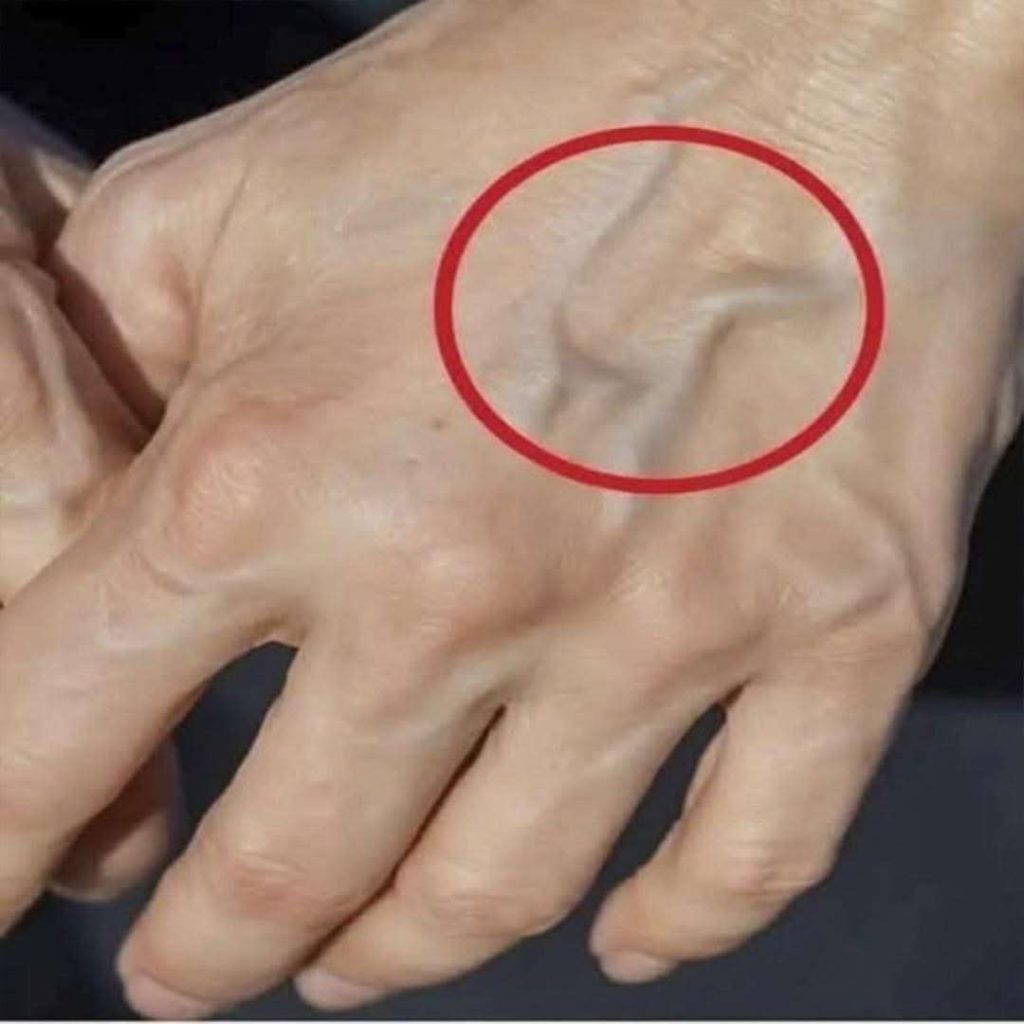
Visible veins are a common concern for many people and can reflect various health factors. 🩺 They are often linked to circulation, hydration levels, and skin elasticity. Understanding the underlying causes of these prominent veins and learning how to manage them can significantly improve both the appearance of your skin and the overall health of your limbs. In this comprehensive guide, we will explore the natural causes behind visible veins and provide a range of effective remedies and practical health tips that can make a real difference. If you've ever wondered whether your visible veins are a sign of a more serious condition or simply a normal characteristic, this article will help clarify your doubts and empower you with knowledge. Let's dive in! 💪
What Causes Visible Veins? 🔍
Visible veins can appear for a variety of reasons, often involving a combination of genetic, lifestyle, and physiological factors. Here are some of the most common causes explained in detail:
Genetics: Your family history plays a significant role. If your parents have prominent veins, you are more likely to develop them as well. This is often simply a matter of inherited skin transparency and vein structure.
Aging: As we age, our skin naturally undergoes changes. It loses collagen and elastin fibers, which are essential for skin thickness and elasticity. This thinning of the skin can make underlying veins much more apparent.
Physical Activity and Low Body Fat: Athletes and individuals who engage in regular, intense physical activity often have more visible veins. This is typically due to a combination of lower body fat percentage, which provides less cushioning over the veins, and increased cardiovascular health, which can lead to more prominent vasculature.
Weight Fluctuations: Being overweight can increase pressure on the venous system, particularly in the legs, making veins work harder to pump blood back to the heart. Conversely, rapid weight loss can also make veins more visible as the layer of subcutaneous fat diminishes.
Hormonal Changes: Hormonal shifts, such as those during pregnancy, puberty, or menopause, can significantly affect vein visibility. Hormones like estrogen can relax vein walls and increase blood volume, leading to more prominent veins. Certain hormonal medications can also have this effect.
Sun Exposure: Prolonged and unprotected sun exposure can damage the skin over time, breaking down collagen and causing the skin to thin and age prematurely, thereby making veins more visible.
Practical Tips for Vein Care and Health ✨
If visible veins are a concern for you, whether for cosmetic or comfort reasons, adopting certain lifestyle habits can greatly improve their appearance and support your vascular health. Here are some highly effective strategies:
Prioritize Hydration: 🚰 Drinking an adequate amount of water is fundamental. Proper hydration helps maintain blood volume and consistency, facilitating smoother circulation and contributing to plump, healthy skin that can better conceal veins.
Incorporate Regular, Vein-Friendly Exercise: Activities that engage the calf muscles are particularly beneficial, as these muscles act as a "second heart" for your legs, pumping blood back upward. Excellent choices include brisk walking, swimming, cycling, and calf raises.
Consider Compression Garments: Medical-grade compression socks or stockings apply gentle pressure to your legs and ankles, helping to improve blood flow and reduce swelling and the feeling of heaviness. They are a proven, non-invasive tool for vein management.
Commit to Comprehensive Skin Care: Using a high-quality moisturizer helps maintain skin elasticity and strength. More importantly, daily application of a broad-spectrum sunscreen is crucial to protect the skin's collagen from UV damage, preventing further thinning.
Avoid Prolonged Static Positions: Whether you're standing or sitting for long hours, make a conscious effort to move and change positions frequently. Take short walks, stretch your legs, and flex your ankles to keep the blood circulating efficiently.
Elevate Your Legs: When resting, try to elevate your legs above the level of your heart for 15-20 minutes. This simple practice uses gravity to help drain pooled blood from the veins and reduce pressure.
Powerful Natural Remedies to Improve Vein Appearance 🌿
In addition to lifestyle adjustments, several natural remedies have been traditionally used and studied for their potential to support vein health, reduce inflammation, and improve circulation.
Horse Chestnut Seed Extract: This is one of the most well-researched natural remedies for venous health. Its active compound, aescin, is known for its anti-inflammatory and vein-toning properties, which can help reduce swelling and strengthen capillary walls.
Witch Hazel: A natural astringent with anti-inflammatory qualities, witch hazel can be applied topically to the skin. It may help to temporarily tighten the skin around the veins and soothe any accompanying irritation or swelling.
Peppermint Oil: When diluted with a carrier oil and massaged onto the legs, peppermint oil creates a cooling sensation. This can provide immediate relief from feelings of heaviness or fatigue and may stimulate local blood flow.
Ginkgo Biloba: This herbal supplement is renowned for its ability to improve peripheral blood circulation. By enhancing blood flow, it can help ensure that tissues are well-oxygenated and that waste products are efficiently removed.
Apple Cider Vinegar: While scientific evidence is limited, some people find that topical application of diluted apple cider vinegar can help tone the skin. It should never be applied undiluted, as it can cause irritation.
Butcher's Broom: Another excellent herbal remedy, Butcher's Broom is known for its vasoconstrictive properties, meaning it can help tighten blood vessels and reduce swelling associated with poor venous return.
When Should You Seek Medical Advice? 🚨
While most visible veins are harmless, it's crucial to recognize when they might indicate an underlying medical condition. You should consult a healthcare professional or a vascular specialist if you experience any of the following alongside visible veins:
Persistent pain, aching, or cramping in the legs.
Significant swelling, redness, or warmth in a specific area.
Veins that are hard, cord-like, and very tender to the touch.
Skin changes around the veins, such as discoloration, thickening, or the development of ulcers.
These symptoms could be signs of conditions like chronic venous insufficiency, deep vein thrombosis (DVT), or varicose veins, which require proper medical diagnosis and treatment.
Conclusion: Embracing a Proactive Approach to Vein Health
Visible veins can be a source of aesthetic concern or a sign to pay closer attention to your vascular health. By understanding their causes—from genetics and aging to lifestyle factors—you are better equipped to address them effectively. A combination of consistent hydration, regular targeted exercise, mindful skin care, and the strategic use of natural remedies can profoundly impact the appearance of your veins and contribute to your long-term well-being. Remember, your health is your greatest priority. By implementing these small but significant changes, you are taking proactive steps toward healthier veins and feeling more confident in your own skin. If your situation is severe or causes you discomfort, do not hesitate to seek professional guidance for a thorough evaluation and personalized care plan. 🌟
Leave a Reply