
What Do Lumps on the Wrist Mean? Learn About Ganglion Cysts and Their Causes
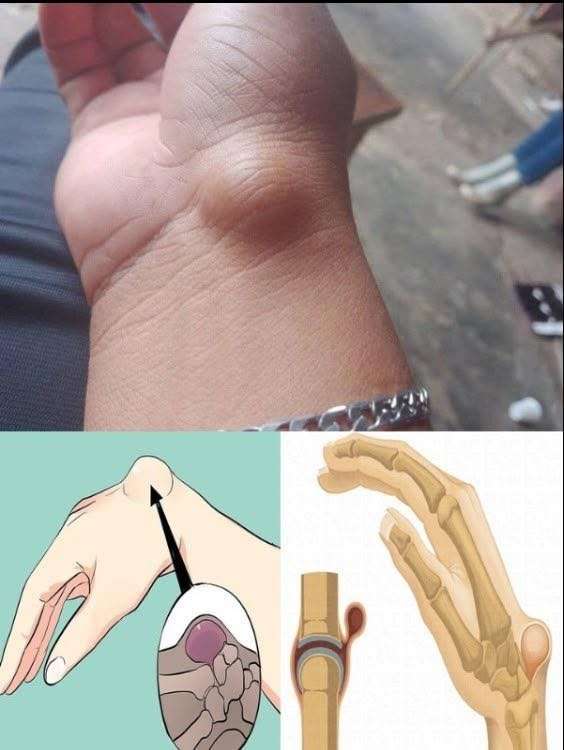
Have you recently noticed a small, unusual lump on your wrist that seems to have appeared out of nowhere? 🤔 You're not alone. Many people discover these bumps and are immediately filled with questions and concerns. In the vast majority of cases, this bump is a ganglion cyst—a common, typically harmless condition that, while often benign, can cause discomfort or anxiety. Understanding what it is, why it forms, and when to take action is key to managing your health proactively without unnecessary worry. This guide will walk you through everything you need to know about these mysterious wrist lumps.
What is a Ganglion Cyst? 🦠
A ganglion cyst is a non-cancerous, fluid-filled sac that forms near a joint or a tendon sheath. Think of it as a small balloon filled with a thick, gelatinous fluid—similar to the synovial fluid that naturally lubricates your joints to facilitate smooth movement. Sometimes, this fluid leaks out and becomes encapsulated, forming a visible or palpable lump.
While the back of the wrist is the most common location, these cysts can also develop on the palm side of the wrist, at the base of fingers, or even on the feet and ankles. They are often round or oval and can feel either firm or soft to the touch. A unique characteristic is that their size can fluctuate; they might even disappear spontaneously, only to potentially return later.
What Causes a Ganglion Cyst to Form? 🔍
The exact cause of ganglion cysts remains somewhat of a medical mystery, but several factors are strongly associated with their development. They are not contagious and are not caused by any specific injury in many cases. The prevailing theories and risk factors include:
- Repetitive Stress or Motion: Activities or occupations that involve frequent, repetitive movements of the hand and wrist can irritate the joints and tendons, creating a favorable environment for a cyst to form. 🏋️
- Joint or Tendon Stress: Overuse from physical labor, typing, or playing certain musical instruments can contribute.
- Previous Injuries: A prior trauma to the joint, even a minor one, can sometimes lead to the development of a cyst.
- Underlying Joint Conditions: Mild inflammation or underlying arthritis in a joint may increase the likelihood of a cyst forming.
It's important to note that many people who develop ganglion cysts cannot pinpoint a specific cause. They are simply a quirk of how our bodies sometimes function.
When Should You See a Doctor? 🩺
While many ganglion cysts are painless and require no treatment, it is crucial to seek professional medical evaluation if you experience any of the following:
- The lump grows rapidly or changes noticeably. A sudden increase in size should always be checked.
- You experience persistent or significant pain. Discomfort that interferes with your daily life is a clear signal to see a doctor.
- It causes tingling, numbness, or muscle weakness. This can indicate the cyst is pressing on a nearby nerve. ⚠️
- Your wrist's range of motion becomes limited. If the cyst prevents you from moving your wrist normally.
- The cyst's appearance causes you significant concern or affects your quality of life. Peace of mind is a valid reason for a consultation.
Your doctor will typically diagnose a ganglion cyst through a physical examination, often transilluminating it (shining a light through it) to confirm it's fluid-filled. In some cases, an ultrasound or MRI might be recommended to rule out other conditions, such as tumors or artery issues, and to see the cyst's connection to the joint.
What Are the Available Treatment Options? 💊
Treatment is not always necessary. The chosen path depends entirely on your symptoms and how the cyst impacts you. The main goal is to relieve symptoms, not just to remove the bump.
- Watchful Waiting and Monitoring: If the cyst is painless and doesn't limit your activities, the best course is often to simply leave it alone. A significant number of cysts vanish on their own over time.
- Immobilization: Using a wrist brace or splint can help. Reducing movement and stress on the joint can cause the cyst to shrink by decreasing the fluid production that fills it. However, the cyst may return once normal activity resumes.
- Aspiration (Draining): In this procedure, a doctor numbs the area and uses a needle to drain the fluid from the cyst. This can provide immediate relief, but the recurrence rate is high because the cyst's root connection to the joint often remains. Sometimes a steroid medication is injected after aspiration to reduce the chance of recurrence.
- Surgical Removal (Excision): This is the most definitive treatment for persistent, painful, or recurring cysts. The procedure involves removing the cyst along with a portion of its stalk or the joint capsule from which it originates. Surgery has a lower recurrence rate than aspiration, but it is more invasive, involves a recovery period, and carries standard surgical risks like infection or scarring.
Conclusion and Key Takeaways ✨
Discovering a lump on your wrist can be unsettling, but now you are equipped with the knowledge to face it calmly. A ganglion cyst is a common, benign formation that is rarely a sign of a serious medical problem. While its appearance might be bothersome, it often poses no threat to your health.
The most important steps are monitoring the cyst for any concerning changes and listening to your body. If the lump causes pain, limits your movement, or simply causes you ongoing anxiety, do not hesitate to consult a healthcare professional. They can provide a confident diagnosis and discuss the full range of management options tailored to your specific situation. Your well-being is always the top priority.
Leave a Reply