
What is Thrombosis? Symptoms and How to Prevent It
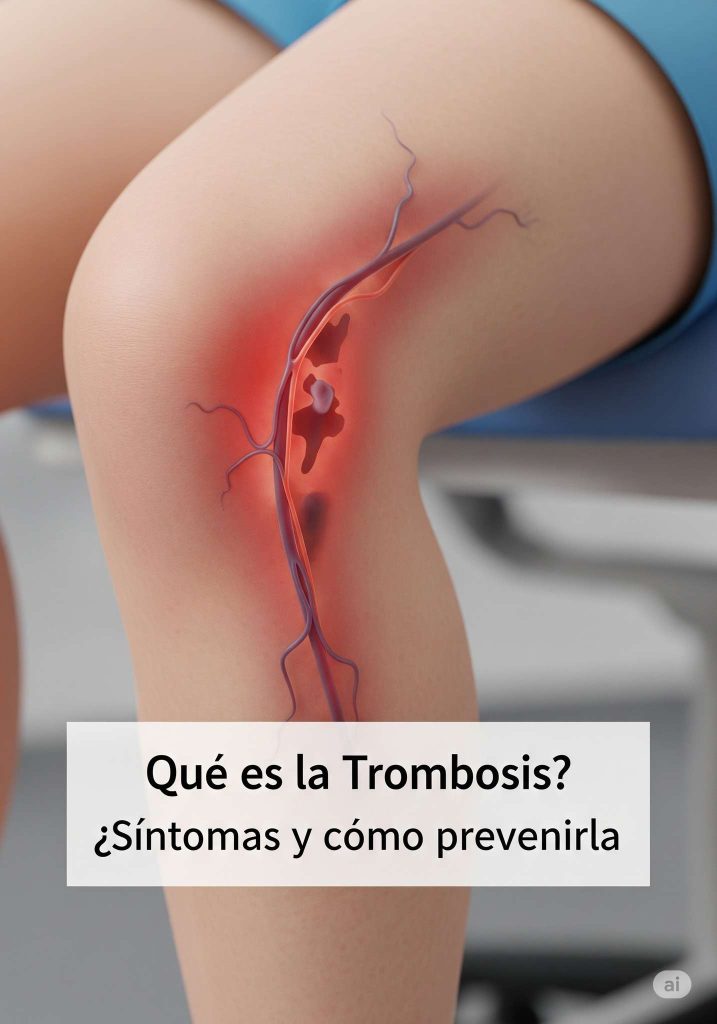
Thrombosis is a serious medical condition that occurs when a blood clot, known as a thrombus, forms inside a blood vessel, either a vein or an artery. This clot can partially or completely obstruct the normal flow of blood, leading to potentially severe and even life-threatening complications. 🩸 Understanding what thrombosis is, recognizing its symptoms, and knowing how to prevent it are crucial steps in safeguarding your cardiovascular health. This article will serve as a comprehensive guide, providing you with essential knowledge and practical tips.
What Exactly is Thrombosis? 🔍
At its core, thrombosis is the body's natural clotting mechanism gone awry. While clotting is vital to stop bleeding from a cut, it becomes dangerous when a clot forms unnecessarily inside a vessel. This can happen due to factors that damage the vessel lining, slow down blood flow, or increase the blood's tendency to coagulate. The two primary types of thrombosis are classified based on the blood vessel they affect, and each carries distinct risks.
Main Types of Thrombosis
Recognizing the difference between the two main types is the first step to understanding their potential consequences.
Deep Vein Thrombosis (DVT) 🦵
This type involves the formation of a clot in a deep vein, typically in the legs, thighs, or pelvis. The immediate danger of a DVT is that the clot can break loose, travel through the bloodstream, and lodge itself in the lungs. This complication is called a pulmonary embolism (PE), a medical emergency that can be fatal by blocking blood flow to the lungs.
Arterial Thrombosis 🫀
This occurs when a clot forms in an artery—the vessel responsible for carrying oxygen-rich blood from the heart to the rest of the body. Arterial clots can severely restrict oxygen supply to vital organs. If it blocks an artery supplying the heart, it causes a heart attack (myocardial infarction). If it blocks an artery to the brain, it results in a stroke (cerebrovascular accident).
Recognizing the Symptoms: Listen to Your Body
Symptoms can vary significantly depending on whether the thrombosis is venous or arterial and its location. Early recognition is key to seeking prompt medical attention.
Symptoms of Deep Vein Thrombosis (DVT)
- Pain or tenderness: Often starting in the calf, feeling like a cramp or soreness. 💢
- Swelling: In one leg, which may be accompanied by a feeling of heaviness.
- Warmth and redness: The skin around the painful area may feel warm to the touch and appear red or discolored.
- In some cases, the surface veins might become more visible.
Symptoms of Arterial Thrombosis
- Chest pain and pressure: A classic sign of a heart attack, which may radiate to the arm, neck, or jaw. 😫
- Sudden neurological issues: Signs of a stroke include difficulty speaking, facial drooping, sudden weakness or numbness in the face, arm, or leg (typically on one side of the body), and vision problems.
- Severe shortness of breath: Can indicate a pulmonary embolism or a heart issue.
- Dizziness or sudden loss of consciousness: A critical sign that requires immediate emergency care.
Proactive Prevention: Natural Remedies and Lifestyle Adjustments
IMPORTANT: The following strategies are excellent for prevention and supporting overall health, but they are not a substitute for professional medical advice, especially if you have a high risk or a previous history of clots. Always consult with your doctor. 🩺
1. Embrace Regular Physical Activity 🚶♀️🚴♂️
Exercise is one of the most powerful tools for preventing thrombosis. It keeps your blood circulating efficiently, preventing stasis. Aim for at least 30 minutes of moderate-intensity activity most days of the week. Excellent choices include brisk walking, swimming, cycling, and yoga. Focus on activities that engage your leg muscles, as they act as a pump for venous blood return.
2. Prioritize Proper Hydration 💧
Dehydration can cause your blood to thicken, making it more prone to clotting. Make a conscious effort to drink water consistently throughout the day. The general recommendation is about 8 glasses, but your individual needs may vary based on your activity level and climate.
3. Adopt an Anti-Inflammatory and Blood-Thinning Diet 🥗
Your diet plays a monumental role in your vascular health. Incorporate these natural anticoagulant and anti-inflammatory foods:
- Garlic: Known to reduce platelet aggregation, preventing them from clumping together too easily.
- Ginger & Turmeric: Ginger is a natural anti-inflammatory, while the curcumin in turmeric (best absorbed with a pinch of black pepper) helps reduce excessive coagulation.
- Omega-3 Fatty Acids: Found abundantly in fatty fish (like salmon and mackerel), flaxseeds, chia seeds, and walnuts, Omega-3s help reduce inflammation and make platelets less "sticky."
- Antioxidant-Rich Fruits & Vegetables: Berries (blueberries, strawberries), citrus fruits, tomatoes, and leafy greens like spinach combat oxidative stress that can damage blood vessels.
4. Combat Prolonged Sedentary Behavior 🪑
Whether you're on a long-haul flight or working at a desk, sitting for extended periods is a significant risk factor for DVT. Make it a rule to get up and move at least once every hour. Stretch your legs, walk around, or perform simple calf raises. On flights, wear loose-fitting clothing and consider compression socks.
5. Limit or Avoid Tobacco and Excessive Alcohol 🚭🍷
Smoking damages the lining of your blood vessels, making it easier for clots to form. Excessive alcohol consumption can lead to dehydration and other metabolic changes that increase clotting risk. Quitting smoking and moderating alcohol intake are two of the most impactful decisions for your vascular health.
6. Consider Compression Stockings (If Advised) 🧦
For individuals at high risk for DVT (e.g., after surgery, during long-term immobility, or with varicose veins), graduated compression stockings can be highly effective. They apply gentle pressure to your legs, helping to maintain blood flow and prevent swelling.
7. Know and Manage Your Risk Factors 🎯
Beyond lifestyle, be aware of other risk factors such as obesity, certain genetic conditions (like Factor V Leiden), cancer, heart disease, hormonal birth control or hormone replacement therapy, and pregnancy. Discuss these with your doctor to create a personalized prevention plan.
When to Seek Immediate Medical Attention 🚨
Do not hesitate to seek emergency care if you or someone else experiences:
- Sudden, unexplained swelling, pain, or redness in a limb.
- Sharp chest pain, especially if it worsens with a deep breath.
- Difficulty breathing or a rapid heart rate.
- Any signs of a stroke: facial drooping, arm weakness, speech difficulties.
- If you have a family history of thrombosis or are in a high-risk category, maintain regular check-ups with your healthcare provider.
Conclusion: Empowerment Through Knowledge and Action
Thrombosis is a formidable condition, but it is often preventable. By understanding its mechanisms, recognizing the warning signs, and actively incorporating healthy lifestyle habits, you can significantly reduce your risk. Remember, prevention hinges on a combination of staying active, eating a heart-healthy diet, staying hydrated, and avoiding prolonged stillness. Your vascular health is largely in your hands—empower yourself by making informed choices and partnering with your healthcare provider for personalized guidance. Stay vigilant, stay active, and prioritize your well-being. ❤️
Leave a Reply