
What is Thrombosis? Symptoms and How to Prevent It
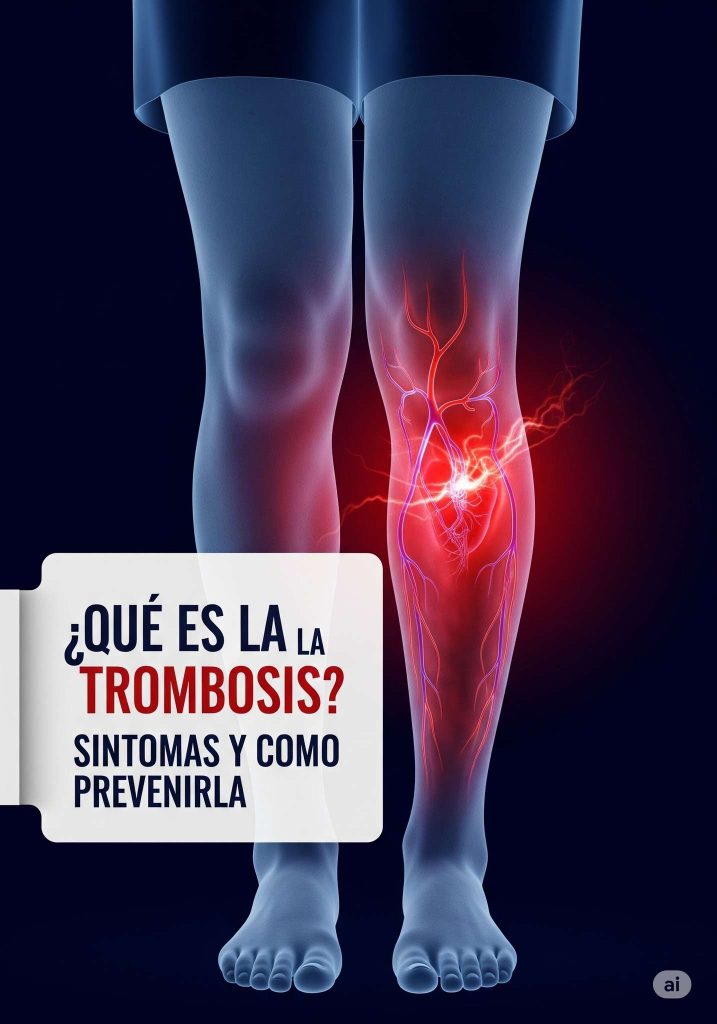
Thrombosis is a serious medical condition that occurs when a blood clot, known as a thrombus, forms inside a blood vessel, obstructing the normal flow of blood. 🩸 This blockage can happen in either veins or arteries and, depending on its location, can lead to severe, life-threatening complications. Understanding what thrombosis is, recognizing its symptoms, and knowing how to prevent it are crucial steps in safeguarding your cardiovascular health. This article will serve as a comprehensive guide to this important health topic.
What Exactly is Thrombosis? 🤔
At its core, thrombosis is the body's natural clotting mechanism gone awry. While clotting is essential to stop bleeding from a cut, it becomes dangerous when a clot forms unnecessarily inside a vessel. This clot can partially or completely block blood flow, depriving tissues of oxygen and nutrients. If a clot breaks loose, it can travel through the bloodstream and cause an embolism in a different organ, which is often a medical emergency.
Main Types of Thrombosis
Thrombosis is primarily categorized based on the type of blood vessel it affects, which determines its associated risks and outcomes.
Deep Vein Thrombosis (DVT) 🦵
This type involves the formation of a clot in a deep vein, most commonly in the legs. DVT is particularly dangerous because the clot can dislodge and travel to the lungs, causing a pulmonary embolism—a sudden and potentially fatal blockage in a lung artery. Long flights or periods of immobility are classic risk factors for DVT.
Arterial Thrombosis 🫀
This occurs when a clot forms in an artery—the vessels responsible for carrying oxygen-rich blood away from the heart to the rest of the body. Arterial clots are a primary cause of heart attacks and ischemic strokes. Because arteries supply essential oxygen, a blockage can lead to rapid tissue death, making this an acute medical crisis.
Recognizing the Symptoms: A Crucial Step
Early recognition of thrombosis symptoms can be life-saving. The signs vary significantly depending on whether the clot is in a vein or an artery.
Symptoms of Deep Vein Thrombosis (DVT)
- Pain or tenderness in one leg (usually in the calf or thigh), often described as a cramping or soreness.
- Swelling in one leg that is noticeably different from the other.
- A sensation of warmth in the affected area. 🔥
- Redness or noticeable discoloration of the skin.
Symptoms of Arterial Thrombosis
- Chest pain or pressure (indicating a possible heart attack).
- Sudden difficulty speaking, facial drooping, or weakness on one side of the body (key signs of a stroke).
- Shortness of breath and severe dizziness.
- Sudden loss of consciousness or confusion.
If you experience any symptoms of arterial thrombosis, it is a medical emergency, and you should seek immediate help. 🚨
Proactive Prevention: Natural Remedies and Lifestyle Choices
Important Note: The following strategies can significantly aid in prevention but are not a substitute for professional medical treatment, especially if you have a high risk or a history of clotting disorders.
1. Embrace Regular Physical Activity 🚶♀️🚴♂️
Consistent movement is one of the most effective ways to maintain healthy circulation. Activities like walking, swimming, cycling, and yoga stimulate blood flow in the legs, preventing blood from pooling and clotting. Aim for at least 30 minutes of moderate activity most days of the week.
2. Prioritize Proper Hydration 💧
Dehydration can cause your blood to thicken, increasing the risk of clot formation. Make a conscious effort to drink plenty of water throughout the day, especially in hot weather or during physical exertion.
3. Adopt an Anti-Inflammatory and Blood-Thinning Diet 🥗
Your diet plays a powerful role in vascular health. Focus on incorporating these natural anticoagulant and anti-inflammatory foods:
- Garlic: Known to reduce platelet aggregation, preventing clots from forming easily.
- Ginger & Turmeric: Ginger is a natural anti-inflammatory, while the curcumin in turmeric (best absorbed with black pepper) helps reduce excessive clotting.
- Omega-3 Fatty Acids: Found in abundance in fatty fish (like salmon), chia seeds, flaxseeds, and walnuts, Omega-3s help reduce inflammation and make the blood less "sticky."
- Antioxidant-Rich Fruits and Vegetables: Berries (like blueberries), citrus fruits, tomatoes, and leafy greens (like spinach) protect blood vessels from damage.
4. Combat Prolonged Sedentary Behavior 🪑
Whether you're on a long-haul flight or working at a desk, sitting for extended periods is a major risk factor. Make it a habit to stand up, stretch, and walk for a few minutes every hour. Simple calf raises and ankle rotations can also keep blood pumping in your legs.
5. Avoid Smoking and Excessive Alcohol 🚭🍷
Both smoking and heavy alcohol consumption can damage the lining of your blood vessels and increase the viscosity of your blood, creating a perfect environment for clots to form.
6. Consider Compression Stockings (If Needed) 🧦
For individuals with a predisposition to DVT or varicose veins, compression stockings can provide external support to the veins in your legs, aiding circulation and reducing the risk of swelling and clotting.
When Should You Consult a Doctor? 🩺
Be proactive about your health. You should definitely consult a healthcare professional if:
- You have a family history of thrombosis or clotting disorders.
- You are undergoing hormonal treatments (like certain birth control or HRT) or are pregnant.
- You plan a long trip or surgery and are concerned about your risk.
- You experience any sudden symptoms like unexplained leg swelling, shortness of breath, chest pain, or neurological changes like weakness or slurred speech.
Conclusion: Empowerment Through Knowledge and Prevention
Thrombosis is a formidable condition, but it is not an inevitable one. 🛡️ By understanding its mechanisms and types, you can better recognize its warning signs. More importantly, by integrating regular exercise, a heart-healthy diet, proper hydration, and mindful lifestyle choices, you take powerful, proactive steps toward prevention. Your vascular health is largely in your hands. Use this knowledge to make informed decisions, listen to your body, and never hesitate to seek medical advice when in doubt. Staying informed and vigilant is your best defense.
Leave a Reply