
White Tongue: Causes and Natural Solutions
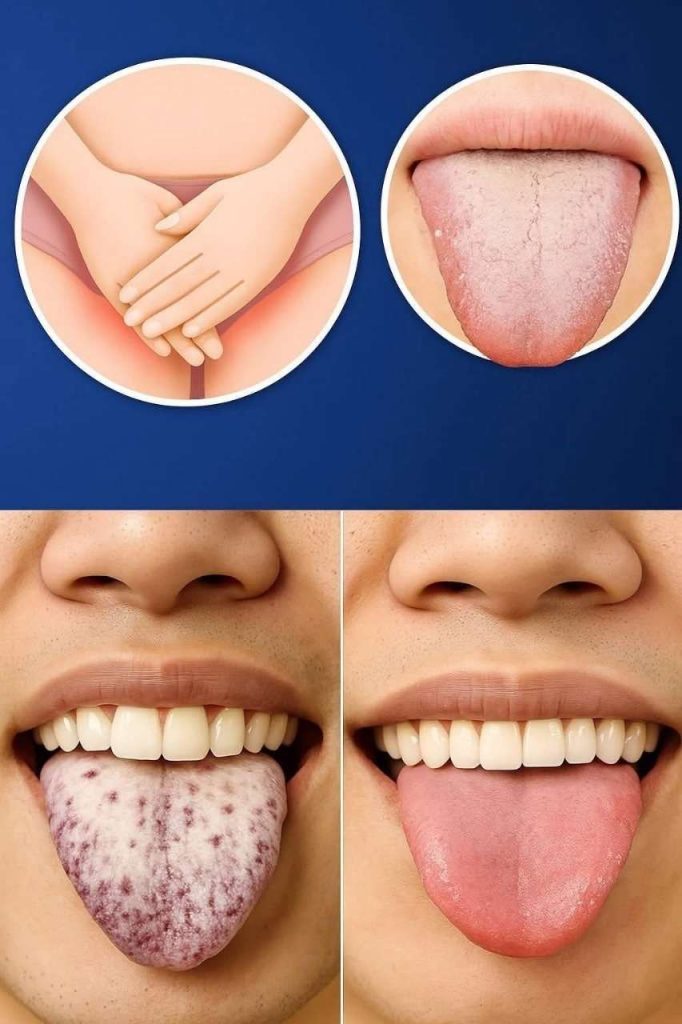
Have you ever glanced in the mirror and noticed a surprising white coating on your tongue? 🪞 While it might be alarming at first, a white tongue is a common occurrence and often a temporary issue. Your tongue is a powerful indicator of your overall health, and its appearance can provide crucial clues about what's happening inside your body. This article will delve into the various causes of a white tongue and provide a comprehensive guide to effective, natural solutions to restore your tongue to its healthy, pink state. Let's demystify this condition and empower you with practical knowledge for optimal oral wellness.
Unveiling the Mystery: Key Causes of a White Tongue
Understanding the root cause is the first step toward addressing a white tongue. This coating is typically comprised of debris, bacteria, and dead cells trapped between the inflamed or enlarged papillae (the tiny bumps on your tongue's surface). Here are the primary culprits:
Buildup of Bacteria and Food Debris: 🦠 The most frequent cause is inadequate oral hygiene. When brushing and flossing are not thorough, a combination of food particles, bacteria, and dead cells can accumulate on the tongue's surface, forming a visible, often harmless, white film.
Dehydration and Dry Mouth: 💧 Saliva is your mouth's natural cleanser. When you're dehydrated or suffer from dry mouth (xerostomia), the reduced saliva flow allows bacteria and dead cells to build up more easily. This is why you might notice a whiter tongue first thing in the morning.
Oral Thrush (Candidiasis): This is a yeast infection caused by an overgrowth of the Candida fungus. It presents as creamy white, slightly raised lesions that can be painful and may bleed when scraped. Oral thrush is more common in infants, the elderly, those with compromised immune systems, and people using certain medications like antibiotics or inhaled corticosteroids.
Digestive Issues: 🤢 Your oral health is intimately connected to your gut health. Conditions like gastritis, acid reflux (GERD), and chronic constipation can manifest on your tongue. The imbalance in your gut flora can often be reflected as a white coating, signaling that your digestive system needs attention.
Lifestyle Factors: 🚬🍷 Consistent use of tobacco and excessive alcohol consumption are significant irritants. They can disrupt the natural balance of microorganisms in your mouth, lead to dehydration, and cause inflammation of the papillae, all of which contribute to a white tongue.
Your Action Plan: Effective Natural Remedies and Solutions
For most cases not linked to a serious medical condition, you can effectively manage a white tongue at home with consistent care and these natural strategies:
Prioritize Tongue Cleaning: 👅 This is non-negotiable. Make tongue scraping or brushing a core part of your daily oral hygiene routine. Using a dedicated tongue scraper is highly effective at removing buildup from the tongue's surface. Gently scrape from the back of the tongue to the front, rinsing the scraper after each pass.
Harness the Power of Homemade Mouthwashes: Nature provides excellent antibacterial and antifungal agents. A warm saltwater rinse can help cleanse and soothe the mouth. Alternatively, a solution of water and a small amount of baking soda can help balance pH levels and inhibit bacterial growth. Use these rinses once or twice daily.
Embrace Antibacterial Herbal Teas: 🌿 Drinking or using infusions of certain herbs as a mouthwash can be highly beneficial. Peppermint tea is renowned for its fresh scent and antibacterial properties. Chamomile tea offers soothing and anti-inflammatory benefits, while sage tea is a potent antiseptic. Incorporating these can support a healthier oral environment.
Stay Diligently Hydrated: 💦 Drinking ample water throughout the day is one of the simplest and most powerful habits. It helps wash away food particles and bacteria and stimulates saliva production, which is your body's natural defense mechanism for a clean mouth.
Adopt a Balanced, Nutrient-Rich Diet: 🥗 Your diet directly impacts your oral microbiome. Limit your intake of sugary foods and refined carbohydrates, as these feed the bacteria and yeast in your mouth. Instead, focus on a whole-foods diet rich in fiber, vitamins, and probiotics (found in yogurt, kefir, and fermented foods) to support a healthy balance of bacteria.
When Is It Time to Consult a Professional? 👨⚕️
While often harmless, a white tongue can sometimes signal an underlying issue that requires medical attention. You should definitely consult a doctor or dentist if:
- The white coating persists for more than two weeks, despite improved oral hygiene.
- You experience pain, significant discomfort, or a burning sensation.
- You notice persistent bad breath (halitosis) that doesn't resolve.
- You have difficulty swallowing or speaking.
- The white patches are thick, lumpy, or cannot be scraped off.
These symptoms could indicate a more persistent infection, such as oral thrush requiring prescription medication, or other health conditions that need a professional diagnosis.
Conclusion: Listen to What Your Tongue is Telling You
A white tongue is typically a temporary and manageable condition. By understanding its common causes—from simple bacterial buildup and dehydration to lifestyle factors and digestive imbalances—you can take proactive steps to address it. A consistent routine of thorough oral hygiene, including tongue cleaning, staying hydrated, and supporting your body with a healthy diet, is your first and most powerful line of defense. View your tongue as a daily health dashboard; paying attention to its signals allows you to catch minor imbalances early and maintain not just oral health, but overall well-being. Start implementing these practical tips today for a healthier, cleaner mouth tomorrow.
Leave a Reply