
Wild Lettuce Sap: How to Collect It and Harness Its Benefits
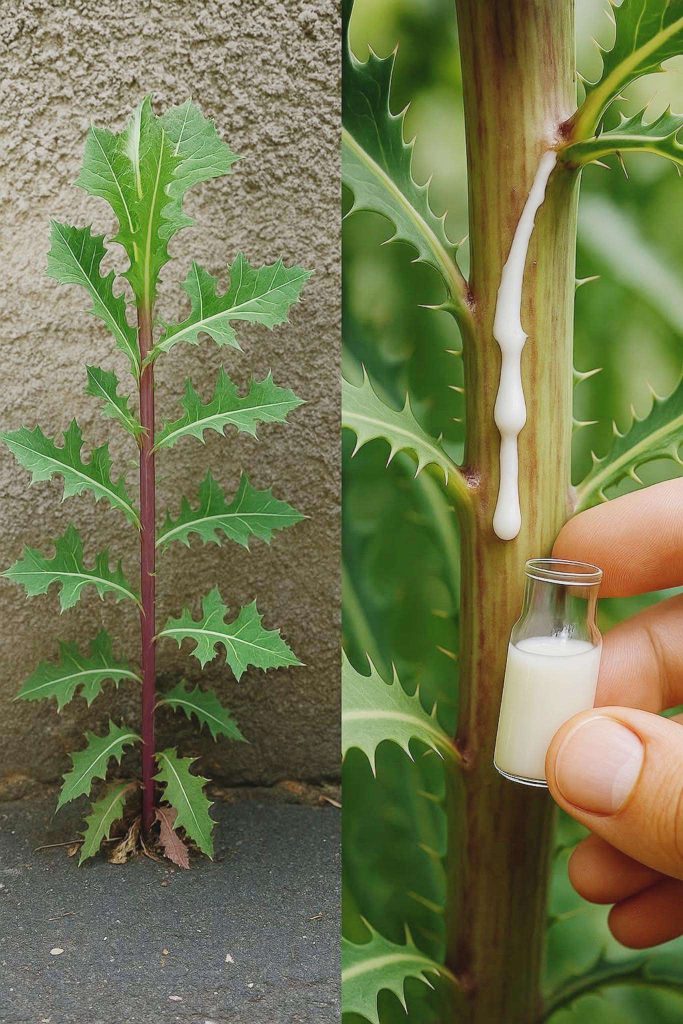
Wild lettuce (Lactuca virosa), often referred to as "opium lettuce," has been a staple in traditional herbal medicine for centuries. 🌿 Ancient civilizations, including the Greeks and Egyptians, valued this plant for its powerful sedative and analgesic properties. Its milky sap, known as lactucarium, contains a complex blend of beneficial compounds that can support wellness in numerous ways. In this comprehensive guide, we will explore how to safely identify, harvest, and process wild lettuce sap, and we'll provide a detailed recipe for creating a potent tincture to harness its full medicinal potential for modern natural health enthusiasts.
How to Identify and Collect Wild Lettuce Sap
Proper identification and harvesting are crucial for both safety and efficacy. Wild lettuce thrives in sunny areas with well-drained soil, often found along roadsides or in fields. Here is a step-by-step guide to collecting its valuable sap:
Identification is Key: 🔍 Look for mature plants that can grow up to 6 feet tall. They feature elongated, jagged leaves that clasp a sturdy, central stalk, often with small, yellow flowers. It is absolutely vital to distinguish it from potentially toxic look-alikes. Consult a reliable field guide or an expert forager if you are unsure.
The Harvesting Process:
- Using a sharp, sterilized knife, make several shallow, vertical incisions along the main stem and the base of the larger leaves.
- A milky, white sap will immediately begin to ooze from the cuts. Carefully collect this sap into a clean glass container. A small brush can be helpful for this.
Drying and Storing for Potency:
- Allow the collected sap to rest in an open glass container in a cool, dark, and well-ventilated space. Over several days, it will gradually thicken and darken, transforming into a resinous substance known as lactucarium.
- Once fully dried, store the lactucarium in amber or cobalt blue glass jars with airtight lids. This protects the sensitive compounds from degradation caused by light and air, preserving its therapeutic benefits for up to a year. 🌡️
Recipe: Crafting Your Own Wild Lettuce Tincture
Creating a tincture is an excellent way to preserve and administer wild lettuce sap. Alcohol acts as a potent solvent and natural preservative, extracting the active constituents and ensuring a long shelf life. This remedy is particularly effective for addressing insomnia, nervous tension, and muscular discomfort.
Ingredients:
- 2 tablespoons of dried, resinous wild lettuce sap (lactucarium)
- 200 ml of high-proof alcohol (e.g., vodka or brandy, at least 80 proof)
- 1 dark glass dropper bottle with a tight-sealing lid
Preparation Steps:
- Place the dried wild lettuce sap into your clean glass jar.
- Pour the alcohol over the sap, ensuring it is completely submerged. Stir gently to combine. 🍶
- Seal the jar tightly and store it in a cool, dark cupboard for 2 to 4 weeks. This maceration period is essential for a full extraction.
- Remember to shake the jar vigorously for about 30 seconds every day. This simple action significantly enhances the extraction process.
- After the maceration period, strain the mixture through a fine-mesh strainer or several layers of cheesecloth into your dark dropper bottle. Discard the solid plant material.
Dosage and Administration:
- The standard dose is 10 to 15 drops, diluted in a small glass of water or a calming herbal tea like chamomile, about 30 minutes before bedtime. 😴
Recommended Duration of Use:
- For optimal results and to prevent tolerance, it is advised to use the tincture for a period of 2 to 3 weeks, followed by a break of at least 1 week before resuming if necessary.
Comprehensive Benefits of Wild Lettuce Tincture
This natural extract offers a wide spectrum of health advantages, making it a versatile addition to your wellness routine:
- 💤 Promotes Restful Sleep: Acts as a natural sedative to combat insomnia and improve overall sleep quality.
- 😌 Reduces Stress & Anxiety: Helps calm the nervous system, easing feelings of worry and promoting relaxation.
- 🦵 Natural Pain Relief: Serves as an effective analgesic for muscle aches, joint pain, and arthritis discomfort.
- 🧠 Alleviates Headaches & Migraines: Its calming properties can help reduce the intensity and frequency of tension headaches.
- ⚖️ Balances the Nervous System: Decreases irritability and nervous tension without the harsh side effects of pharmaceutical options.
- 🌟 Enhances Mental Clarity: By reducing "brain fog" associated with stress and poor sleep, it can improve focus and concentration.
- 🧹 Supports Body Detoxification: Aids the body's natural cleansing processes.
- 🛡️ Boosts Immune Function: Contains compounds that may help strengthen the body's defenses.
- 🌿 Anti-inflammatory Action: Helps reduce systemic inflammation, which is at the root of many chronic conditions.
- ❤️ Cardiovascular Support: Contributes to heart health by helping to regulate blood pressure.
Key Properties of Wild Lettuce Sap
The power of wild lettuce lies in its unique phytochemical profile, which includes lactucin and lactucopicrin. These compounds are responsible for its primary actions:
- Sedative: Calms the central nervous system, inducing a state of relaxation.
- Analgesic: Provides relief from various types of pain by acting on pain receptors.
- Antitussive: Suppresses cough reflexes and soothes throat irritation.
- Antispasmodic: Relaxes smooth muscle tissue, alleviating cramps and spasms.
- Anti-inflammatory: Reduces swelling and inflammation in the body.
Important Precautions and Safety Guide
While natural, wild lettuce is potent and should be used responsibly. ⚠️
- Stick to the Recommended Dosage: Exceeding the suggested dose can lead to excessive drowsiness, dizziness, or lethargy.
- Contraindications: It is not safe for pregnant or breastfeeding women, children, or individuals with known allergies to plants in the Asteraceae/Compositae family (like ragweed or marigolds).
- Drug Interactions: If you are taking prescription sedatives, anti-anxiety medications, or any other CNS depressants, you must consult with your healthcare provider before using wild lettuce to avoid adverse interactions.
- Start Low, Go Slow: If you are new to this herb, begin with the lowest possible dose (e.g., 5
Leave a Reply